March 20, 2026
In emergency response scenarios, every second matters. Fire departments must ensure that vehicles are always ready, identifiable, and efficiently dispatched without delays caused by manual processes or system inefficiencies. Traditional fleet management methods—such as manual logs, barcode scanning, or visual checks—are no longer sufficient in high-demand, real-time environments.
This is where the 6MM Fixed UHF RFID Reader for Fire Vehicle Management becomes a critical solution. Designed for precision, durability, and automation, this compact yet powerful RFID reader enables fire departments to track, monitor, and manage emergency vehicles in real time.
In this comprehensive guide, we will explore:
-
What a 6MM Fixed UHF RFID Reader is
-
How it works in fire vehicle management systems
-
Key technical specifications and features
-
Real-world applications and benefits
-
Comparison with traditional systems and competing technologies
-
Implementation best practices and ROI
What Is a 6MM Fixed UHF RFID Reader?
A 6MM Fixed UHF RFID Reader is a compact, industrial-grade RFID device designed for fixed installation in environments where space is limited but performance is critical.
Key Characteristics
-
Ultra-compact design (typically around 6mm thickness or slim module integration)
-
Fixed installation (mounted at gates, garages, or checkpoints)
-
UHF frequency operation (860–960 MHz)
-
Long-range or mid-range reading capability (depending on antenna)
This type of reader is ideal for fire stations, emergency depots, and vehicle access points, where reliability and speed are essential.
Description
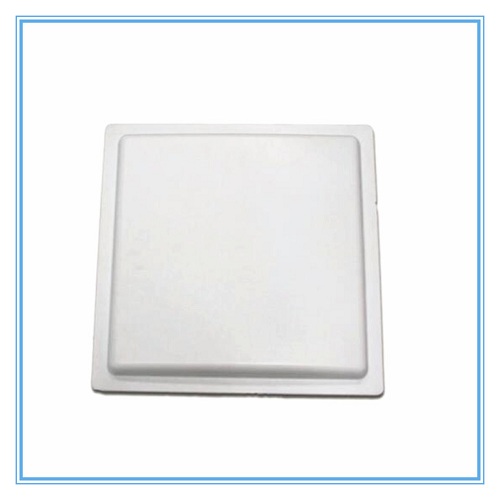
RFID middle range reader DO-8280C could be applied in various harsh working environment for multiple protocol compatible and reading fast. Full support the tag of ISO-18000-6C or ISO-18000-6B. Its stable reading distance is 6m(related to the tag and environment). JT-8280C is easier to install for its small size and light weight.
Application
1.Intelligent traffic such as ETC;
2. Customs border-crossing;
3. Parking lot ;
4. Automatic weighting;
5. Container management,pallet management ;
6. Asset management ;
7. Ticketing& access control;
8. Pharmaceuticals such as medical waste management.
Specification
| Item No | |
| DO-8280C | RS232,RS485,Wiegand |
| Performance parameters | |
| Working Frequency | 902~928 MHz or 865~868MHz |
| Protocol | ISO18000-6C(EPC C1 GEN2) |
| Radio frequency power | 0dBm~30dBm(Adjustable) |
| Software & SDK | DEMO and C#,VC,VB,Java,DELPHI, etc., |
| Encryption | Can be directly encrypted, copy prevention. |
| Reading range | stable reading range 6M(Depends on tag&environment) |
| Industrial lightning protection | 6000V industrial lightning protection |
| Low temperature protection | Northeast,Northwest extremely cold region,low temperature protection |
| Frequency modulation way | Broad spectrum frequency hopping or fixed frequency |
| Input/output port | Two-way relay output(customized), one-way trigger input |
| Antenna gain | 8dBi circular polarization |
| Working way | Buzzer |
| Power | 12V/3A Adaptor |
| Physical parameters: | |
| Item size | 220x220x50mm |
| Package size | 430x320x140mm |
| Net weight | 3KG |
| Shell material | ABS |
| Working temperature | -20℃~+65℃ |
| Storage temperature | -45℃~+95℃ |

How the 6MM Fixed UHF RFID Reader Works
System Components
- RFID reader (6MM fixed unit)
- UHF RFID tags (installed on fire vehicles)
- Antenna (internal or external)
- Backend software system
Step-by-Step Workflow
- Fire vehicle approaches station gate
- RFID reader emits UHF signal
- Tag on vehicle responds with unique ID
- Reader captures and processes data
- System logs vehicle movement in real time
- Gate opens automatically (optional integration)
This entire process takes milliseconds, ensuring zero delay during emergency dispatch.
Core Features
1. Ultra-Compact Design
The 6MM form factor allows:
- Installation in tight spaces
- Integration into cabinets or control boxes
- Discreet deployment
2. Reliable UHF Performance
- Stable reading in dynamic environments
- High sensitivity
- Fast tag detection
3. Real-Time Data Capture
- Instant vehicle identification
- Automatic logging
- Cloud or server integration
4. Multi-Interface Connectivity
Supports:
- RS232 / RS485 (industrial systems)
- Ethernet (network integration)
5. Industrial Durability
- Resistant to vibration and temperature changes
- Suitable for indoor and semi-outdoor use
6. High-Speed Anti-Collision Reading
- Supports multiple vehicles
- Prevents data overlap
- Ensures accuracy during busy operations
Applications in Fire Vehicle Management
1. Fire Station Entry/Exit Control
- Automatic gate opening
- Vehicle authorization
- Security management
2. Emergency Dispatch Tracking
- Record dispatch time
- Monitor response time
- Improve operational efficiency
3. Fleet Management
- Track vehicle location within station
- Monitor usage patterns
- Optimize fleet allocation
4. Maintenance Scheduling
- Track mileage and usage
- Automate maintenance reminders
5. Incident Reporting Integration
- Link vehicle ID to emergency events
- Improve reporting accuracy
Advantages Over Traditional Systems
| Feature | RFID System | Manual System |
|---|---|---|
| Speed | Instant | Slow |
| Accuracy | High | Error-prone |
| Automation | Full | None |
| Labor Cost | Low | High |
| Data Tracking | Real-time | Delayed |
RFID vs Barcode for Fire Vehicles
| Feature | RFID | Barcode |
|---|---|---|
| Line of Sight | Not required | Required |
| Speed | Instant | Slow |
| Durability | High | Medium |
| Automation | Yes | Limited |
RFID vs ANPR (License Plate Recognition)
| Feature | RFID | ANPR |
|---|---|---|
| Accuracy | Very high | Weather dependent |
| Speed | Faster | Slight delay |
| Cost | Medium | Higher |
| Reliability | Stable | Lighting dependent |
Competitive Comparison
6MM Fixed Reader vs Standard Fixed RFID Reader
| Feature | 6MM Reader | Standard Reader |
|---|---|---|
| Size | Ultra-compact | Larger |
| Installation | Flexible | Fixed |
| Power Consumption | Lower | Higher |
| Integration | Easier | Moderate |
6MM Reader vs Handheld RFID Reader
| Feature | Fixed Reader | Handheld |
|---|---|---|
| Automation | High | Manual |
| Efficiency | High | Medium |
| Use Case | Continuous monitoring | Spot checks |
Installation Best Practices
1. Optimal Placement
- Install near gates or entry points
- Ensure clear line of signal
2. Antenna Positioning
- Angle toward vehicle path
- Avoid metal interference
3. System Calibration
- Adjust reading range
- Test with multiple vehicles
4. Integration Setup
- Connect to central system
- Configure data logging
Maintenance Tips
- Regularly check connections
- Clean reader surface
- Update firmware
- Test reading accuracy
ROI and Benefits
Key Benefits
- Faster emergency response
- Reduced manual workload
- Improved fleet visibility
- Enhanced security
ROI Example
Fire departments implementing RFID systems can achieve:
- 20–40% faster dispatch times
- 50% reduction in manual errors
- Payback within 12–18 months
Future Trends
Smart Emergency Systems
- Integration with IoT platforms
- Real-time analytics dashboards
AI-Based Fleet Optimization
- Predictive maintenance
- Route optimization
5G Connectivity
- Faster data transmission
- Real-time cloud control
How to Choose the Right Supplier
Key Considerations
- Experience in RFID solutions
- Customization capability
- Technical support
- System integration expertise
Conclusion
The 6MM Fixed UHF RFID Reader for Fire Vehicle Management is a compact, powerful, and highly efficient solution for modern emergency fleet operations.
It enables:
- Real-time vehicle tracking
- Automated dispatch logging
- Enhanced security and access control
- Improved operational efficiency
Compared with traditional systems and alternative technologies, it delivers:
- Faster response times
- Higher accuracy
- Lower operational costs
For fire departments aiming to modernize their infrastructure, this RFID solution is not just an upgrade—it’s a mission-critical tool for saving time, improving coordination, and ultimately saving lives.
Because when it comes to emergency response… even a few seconds saved can make all the difference