October 21, 2026
In today’s data-driven industries, businesses demand fast, accurate, and scalable identification systems to manage assets, inventory, and workflows. Traditional tracking technologies—such as barcodes or low-frequency RFID—often fall short when it comes to speed, range, and automation.
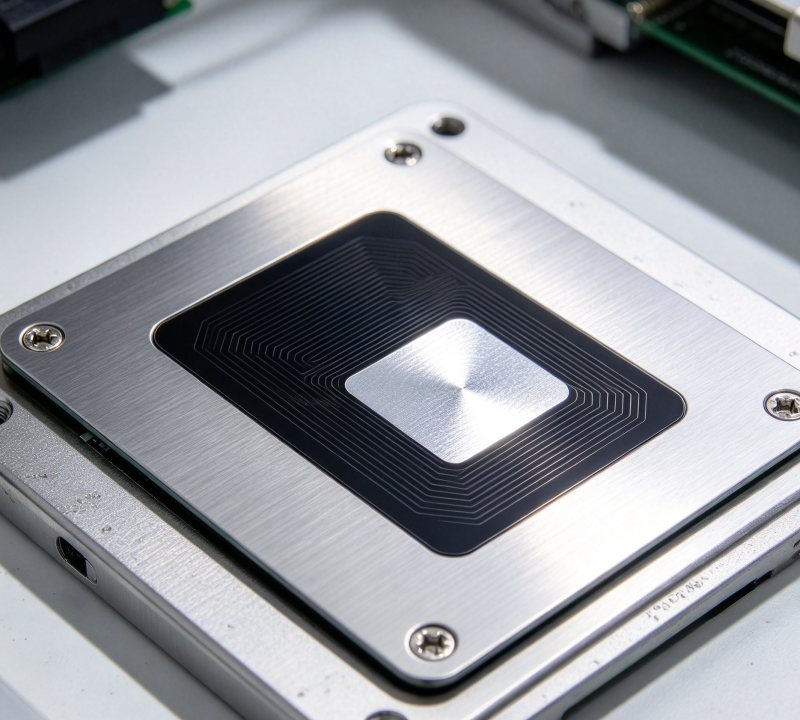
This is where the R2000 UHF RFID Middle Range Reader stands out. Powered by the advanced Impinj R2000 chipset, this reader delivers high sensitivity, fast multi-tag reading, and stable mid-range performance (typically 5–10 meters), making it a cornerstone technology in modern RFID deployments.I
What Is an R2000 UHF RFID Middle Range Reader?
An R2000 UHF RFID middle range reader is a fixed RFID device operating in the 860–960 MHz UHF band, designed for medium-distance identification (typically 5–10 meters).
It is built around the Impinj R2000 RF engine, which is widely recognized for:
- High-speed data processing
- Strong anti-collision performance
- High sensitivity and accuracy
👉 These capabilities make it ideal for industrial automation, logistics, and warehouse systems.
Core Technology: Impinj R2000 Chipset
The R2000 chip is the heart of the reader.
Key Capabilities
- High tag reading speed (hundreds of tags per second)
- Advanced anti-collision algorithm
- High receiver sensitivity (detects small tags)
- Adaptive RF optimization for dynamic environments
👉 This ensures accurate and reliable performance even in dense tag environments.
Feature
◆ Built in the RFID module of R2000
◆ The stable reading distance could reach 8M
◆ Multiple tags reading ability
◆ High sensitivity to tag
◆ Support RSSI indication
◆ Waterproof and sunscreen
◆ Support SDK dynamic link libraries(DLL) and secondary development
Specification
| Item No. | |
| DO-9282A | RS232,RS485, Wiegand |
| DO-9282B | RS232,TCP/IP |
| DO-9282W | RS232,WIFI |
| DO-9282G | RS232,GPRS |
| Performance Parameters | |
| Working Frequency | 902~928 MHz or 865~868MHz |
| Protocol | ISO18000-6C(EPC C1 GEN2) |
| Chip | Impinj R2000 |
| RF power | 0~30dBm(Adjustable) |
| Software & SDK | DEMO and C#, VC , Java |
| Industrial lightning protection | 6000V |
| Low temperature protection | Northeast, Northwest extremely cold region, low temperature protection |
| Reading range | stable reading range 8M(Depends on tag & environment) |
| Tag handling volume | 0-200 tags |
| Storage space | 1M or 8M Flash save without power supply(customized) |
| Real-time clock | without power supply, real-time clock save and working(customized) |
| Frequency modulation | hopping or fixed frequency |
| Input/output port | Two-way relay output(customized), two-way I/O input(customized) |
| RSSI | RSSI numerical test |
| Antenna gain | 8dBi circular polarization |
| Working way | Buzzer & LED |
| Power | 12V/3A Adaptor |
| Ethernet power supply | POE(customized) |
| Physical Parameters | |
| Item size | 220x220x50mm |
| Package size | 410x270x110mm |
| Net weight | 3KG |
| Shell material | ABS |
| Working temperature | -20℃~+65℃ |
| Storage temperature | -45℃~+95℃ |
How the R2000 Middle Range Reader Works
The reader operates using UHF RFID technology:
- Emits RF signals via antenna
- Tags within range are activated
- Tags transmit stored data
- Reader processes signals using R2000 chip
- Data is sent to backend system
👉 This process occurs in milliseconds, enabling high-speed automation.
Competitive Analysis
1. R2000 Middle Range vs Long Range RFID Reader
| Feature | Middle Range (R2000) | Long Range Reader |
|---|---|---|
| Range | 5–10m | 10–30m |
| Accuracy | High | Moderate |
| Interference | Low | Higher risk |
| Use Case | Warehouse, factory | Yard, vehicle tracking |
👉 Middle range readers are better for precision and controlled environments.
2. R2000 vs Short Range RFID Reader
| Feature | R2000 Middle Range | Short Range |
|---|---|---|
| Range | Medium | Very short |
| Speed | High | Moderate |
| Automation | High | Limited |
👉 R2000 offers better scalability and efficiency.
3. R2000 vs Barcode Systems
| Feature | RFID (R2000) | Barcode |
|---|---|---|
| Line of Sight | Not required | Required |
| Speed | High | Slow |
| Multi-Read | Yes | No |
| Automation | Full | Limited |
👉 RFID dramatically improves automation and productivity.
Application Scenarios
1. Warehouse Management
- Inventory tracking
- Pallet identification
- Stock movement monitoring
👉 Improves accuracy and reduces manual labor.
2. Logistics & Supply Chain
- Shipment tracking
- Sorting automation
- Real-time visibility
3. Manufacturing & Production Lines
- Work-in-progress tracking
- Component identification
- Process control
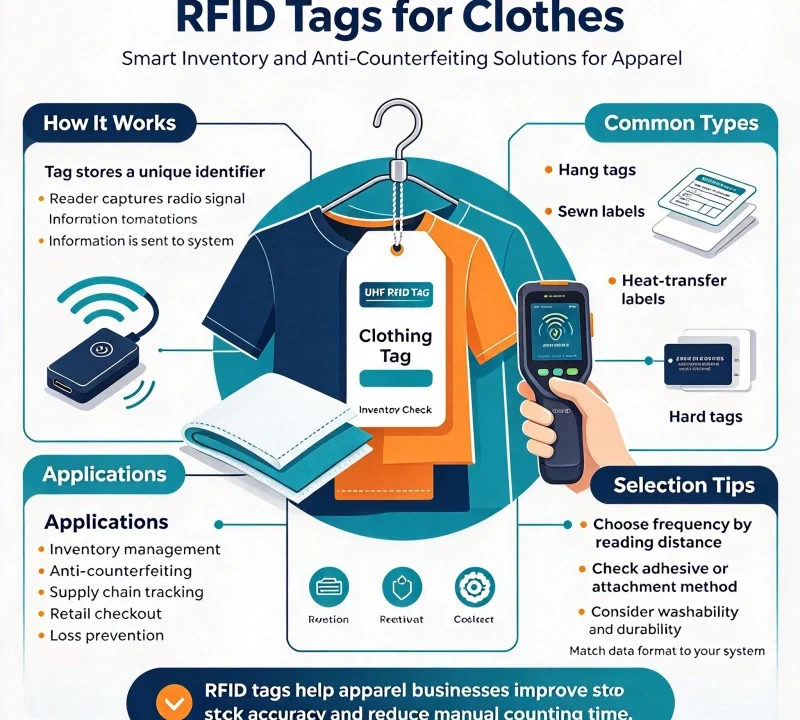
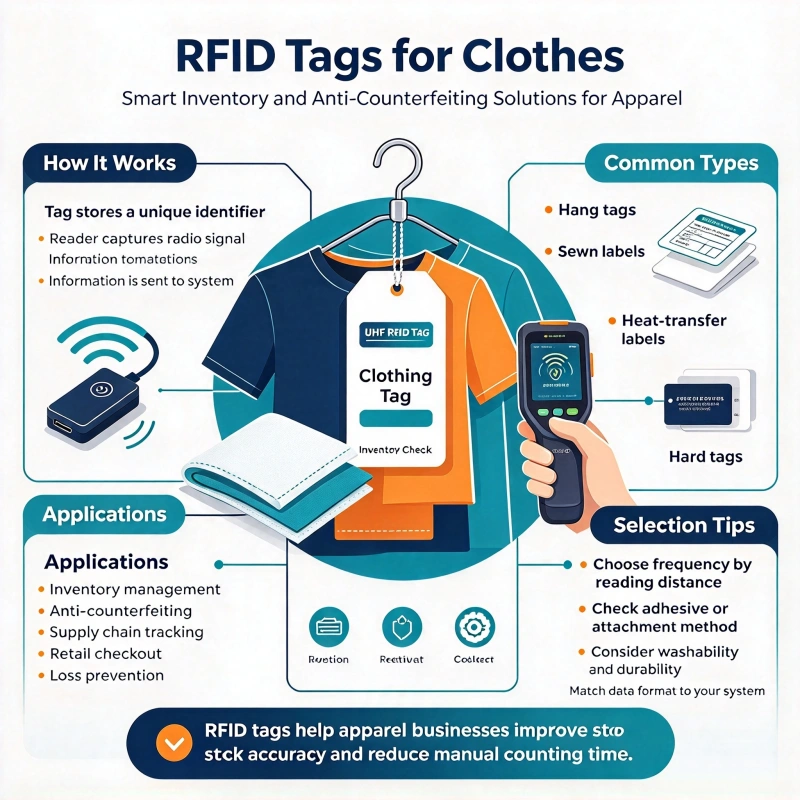
4. Retail Inventory Management
- Smart shelves
- Stock counting
- Anti-theft systems
5. Vehicle & Access Management
- Parking systems
- Vehicle identification
- Access control
Pain Points Solved by R2000 RFID Readers
Problem 1: Inefficient Manual Tracking
✔ Solution:
Automates identification with real-time scanning
Problem 2: Limited Read Range
✔ Solution:
Provides optimal 5–10m coverage
Problem 3: Tag Collision in Bulk Environments
✔ Solution:
Advanced anti-collision algorithms ensure accurate multi-tag reading
Problem 4: Data Inaccuracy
✔ Solution:
RFID ensures consistent and reliable data capture
Problem 5: High Labor Costs
✔ Solution:
Reduces dependency on manual operations
ROI Benefits for Businesses
Deploying an R2000 middle range reader can:
- Increase efficiency by 30–50%
- Improve inventory accuracy to 99%+
- Reduce labor costs
- Enable real-time tracking
Integration with Industrial Systems
R2000 readers can integrate with:
- ERP systems
- Warehouse Management Systems (WMS)
- Manufacturing Execution Systems (MES)
- IoT platforms
👉 Enables end-to-end digital transformation.
Installation Best Practices
- Position antenna correctly
- Avoid metal interference
- Optimize power settings
- Conduct real-world testing
Common Mistakes to Avoid
- Choosing incorrect read range
- Poor antenna placement
- Ignoring environmental factors
- Lack of system testing
Future Trends in R2000 RFID Technology
- AI-driven inventory systems
- IoT integration
- Cloud-based RFID platforms
- Smart warehouses
FAQ
1. What is the typical read range?
Usually 5–10 meters depending on environment.
2. Can it read multiple tags?
Yes, hundreds of tags simultaneously.
3. Is it suitable for industrial environments?
Yes, it is designed for harsh conditions.
4. What protocol does it support?
EPC Gen2 / ISO18000-6C.
5. Can it integrate with existing systems?
Yes, via multiple communication interfaces.
Conclusion
The R2000 UHF RFID Middle Range Reader is a powerful, flexible, and cost-effective solution for modern tracking systems. With its balanced read range, high-speed performance, and strong anti-collision capability, it bridges the gap between short-range precision and long-range coverage.
For businesses in logistics, manufacturing, and retail, adopting R2000-based RFID solutions is a strategic step toward automation, efficiency, and digital transformation.