
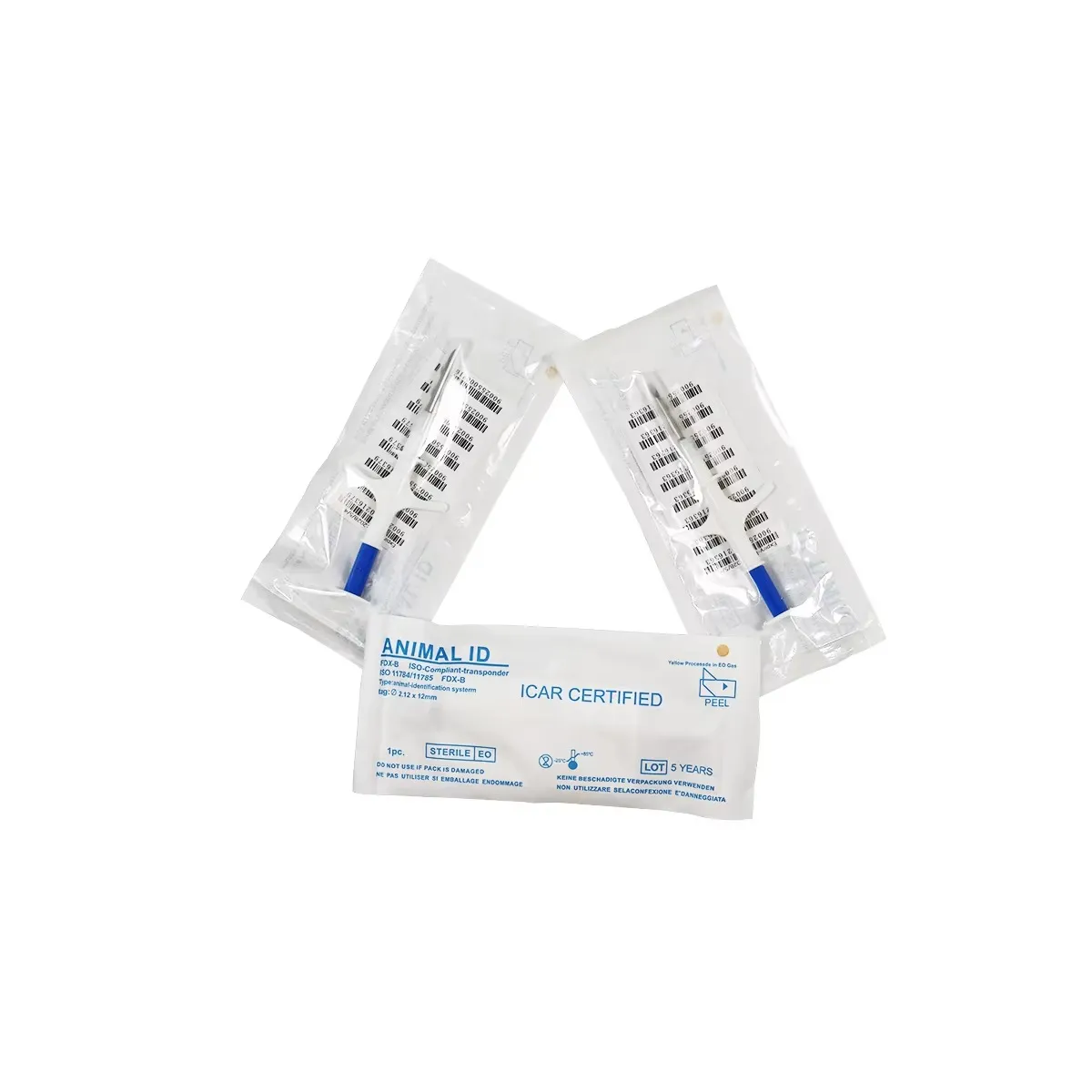
Professional RFID Temperature Tag for Cattle Management
Product Overview
The RFID Temperature Tag for Cattle is a specialized electronic identification device that integrates a unique ID with continuous body temperature sensing. It solves the core problem of remote, real-time health monitoring for individual animals, eliminating reliance on manual checks. This enables the early detection of fever, infection, or stress before visible symptoms appear. Designed for livestock farmers, ranchers, large-scale operations, and veterinary professionals, its unique value proposition is transforming passive identification into proactive, data-driven herd management and welfare assurance.
Key Features & Technical Advantages
This tag is engineered for reliability and performance in demanding agricultural environments.
- Integrated Temperature Sensor: Accurately monitors core body temperature trends with high precision.
- Long-Range UHF RFID: Operates in the 860-960 MHz band, allowing reading from several meters away with fixed or handheld readers.
- Rugged, Animal-Safe Design: Features biocompatible materials, a waterproof IP67 rating, and a robust casing to withstand farm life.
- Long Battery Life: Engineered to provide 3 to 5 years of continuous monitoring, minimizing maintenance.
- Unique ID & Data Logging: Each tag contains a globally unique identification number and can store historical temperature data.
How the RFID Cattle Temperature Tag Works
The system operates through a simple three-stage process for seamless data collection and analysis.
Tag Attachment & Data Collection
The tag is securely attached to the animal, typically as an ear tag. Its embedded sensor then begins continuous, autonomous measurement of the animal’s body temperature.
Wireless Data Transmission
Fixed readers at strategic points (like gates or milking parlors) or handheld readers periodically query the tags as cattle pass within range. The tag wirelessly transmits its unique ID and the latest temperature data to the reader.
Data Management & Alerts
The reader forwards the data to herd management software. The system analyzes individual and herd temperature trends, automatically triggering alerts if an animal’s temperature deviates from the preset healthy range, enabling immediate intervention.
Primary Applications in Cattle Management
This technology supports critical decision-making across various aspects of modern livestock farming.
- Animal Welfare Monitoring: Continuously track temperature to safeguard against heat stress, illness, or infection, supporting ethical farming practices and compliance.
- Early Disease Detection: Identify individuals with conditions like bovine respiratory disease before clinical signs are visible, allowing for prompt isolation and treatment to control outbreaks.
- Breeding & Health Management: Monitor cows for estrus detection through temperature changes and track recovery metrics post-calving for improved reproductive efficiency.
- Veterinary & Clinic Management: Provide veterinarians with accurate, historical temperature data to aid in precise diagnosis and tailored treatment plans.
- Supply Chain & Biosecurity: Monitor livestock health status during transport and in holding facilities to ensure biosecurity and animal well-being.
Technical Specifications
| Parameter | Specification |
|---|---|
| Frequency | UHF (860-960 MHz) |
| Read Range | Up to 10 meters (depending on reader) |
| Sensor Type | Digital Temperature |
| Accuracy | ±0.2°C (typical) |
| Memory | Sufficient for ID & temp data logs |
| Ingress Protection | IP67 (Water & Dust Resistant) |
| Battery Life | 3-5 years (depending on read frequency) |
| Operating Temp | -20°C to +70°C |
Benefits for Farmers & Veterinarians
The implementation of this system delivers direct, tangible advantages for operational management and animal care.
- Proactive Herd Health: Shift from reactive to proactive care, significantly reducing mortality rates and associated treatment costs.
- Labor Efficiency: Automate routine health checks, saving substantial time and labor resources for more valuable tasks.
- Improved Productivity: Healthier animals experience better growth rates, feed conversion, and milk production.
- Data-Driven Decisions: Base critical decisions for breeding, treatment, and culling on objective, individual animal data.
- Welfare Compliance: Easily generate documentation for animal welfare conditions to meet audit requirements or premium market certifications.
Industry Use Cases
These concrete examples illustrate how the tag solves specific challenges in different farming contexts.
- Dairy Farm: Detecting subclinical mastitis early in milking cows by monitoring subtle udder temperature changes, enabling treatment before milk quality is affected.
- Beef Feedlot: Rapidly identifying and isolating cattle showing early signs of respiratory illness, preventing herd-wide outbreaks and economic loss.
- Organic/Free-Range Ranch: Providing verifiable, continuous welfare monitoring data to meet and demonstrate compliance with stringent premium market or organic certification standards.
- Veterinary Service: Utilizing detailed temperature history from presented animals to make faster, more accurate diagnoses and effective treatment plans for clients.