
RFID Pet Microchips: The Ultimate Guide to Safe, Compliant Pet Identification
What Are RFID Pet Microchips & How Do They Work?
RFID pet microchips are small, implantable radio frequency identification devices designed to store a unique, unalterable identification number linked to a pet owner’s contact information. They require no internal power source, and are activated only when scanned by a compatible RFID reader.
Core Technology Behind RFID Pet Microchips
These microchips operate at a standard 134.2 kHz frequency, and support three common animal identification protocols: FDX-A, FDX-B, and HDX. Available chip models include EM4305, EM4100, ID, and UHF to match diverse use case requirements.
How Microchips Enable Lost Pet Recovery
When a lost pet with an implanted microchip is brought to a veterinary clinic, animal shelter, or animal control facility, staff use a standard 134.2 kHz RFID reader to scan the chip and retrieve its unique identification number. This number is cross-referenced with a pet registration database to access the owner’s contact information, facilitating quick reunion of the pet with its owner.
Key Technical Specifications of Our RFID Pet Microchips
Frequency & Protocol Compatibility
All microchips operate at 134.2 kHz, the global standard frequency for animal identification. They support FDX-A, FDX-B, and HDX protocols, ensuring compatibility with most common RFID reader systems used by veterinary and animal care professionals worldwide.
Chip Models & Biocompatible Materials
We offer a range of chip models including EM4305, EM4100, ID, and UHF to meet different functional requirements. All chips are encased in medical grade bioglass, which is non-toxic, anti-migration, and fully biocompatible to minimize risk of adverse reactions after implantation.
Size Options for Pets of All Sizes
Microchip sizes vary by protocol to suit animals of all sizes. FDX-A models range from 1.4x8mm to 4x34mm, while HDX models range from 2x12mm to 4x34mm. Smaller sizes are ideal for kittens, puppies, and small companion animals, while larger sizes are suited for large breed dogs and small to medium livestock.
Lifespan & Reliability
These microchips have a rated service life of over 10 years, with no degradation of stored data or performance over time. They provide permanent, reliable identification for the full lifetime of most companion animals.
Benefits of Choosing ICAR-Certified RFID Pet Microchips
- Global ICAR and ISO 11784/11785 compliance ensures alignment with international pet travel regulations, making cross-border travel with pets simple and convenient.
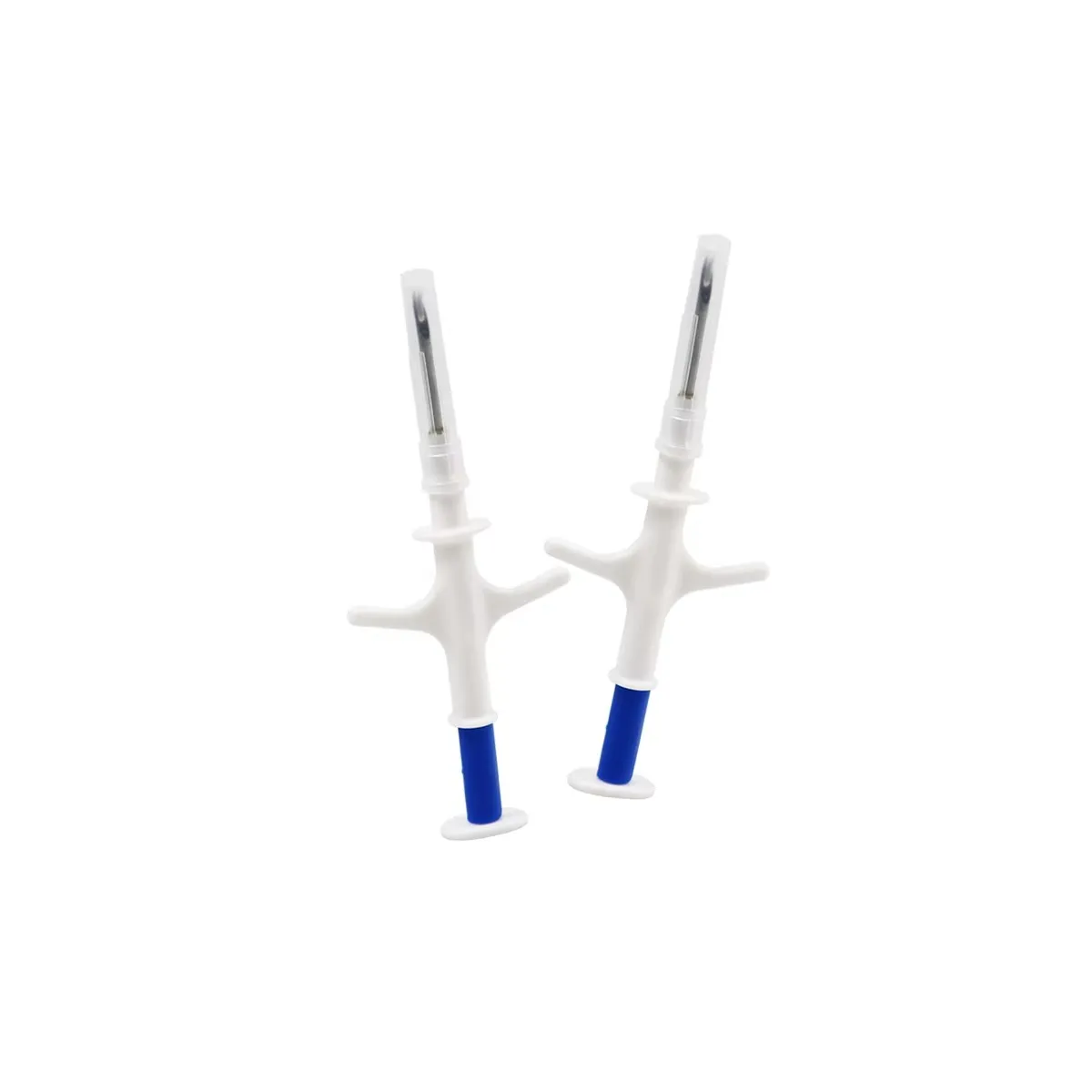
- Syringe injectable design allows for quick, non-surgical implantation that can be completed in minutes with no required follow-up stitches.
- Multiple protocol, chip model, and size options cater to all use cases including companion animal identification, shelter pet management, and small to medium livestock tracking.
Implantation Process: Syringe-Injectable RFID Pet Microchips
All our RFID pet microchips come preloaded in sterile, single-use syringes for easy, safe implantation.
Safe Implantation Best Practices
The microchip is implanted under the loose skin between the pet’s shoulder blades. The implantation site should be cleaned with a standard antiseptic solution before the procedure, and gentle pressure applied to the site after implantation to prevent migration.
Who Should Perform Implantation?
Implantation of RFID pet microchips must be performed by a licensed veterinarian or trained, certified animal care professional to ensure correct placement and minimize risk of injury to the animal.
Who Needs RFID Pet Microchips?
- Pet owners seeking permanent, reliable identification for their companion animals to improve chances of recovery if the pet is lost.
- Veterinarians purchasing microchips in bulk for implantation services and clinic use.
- Animal shelters and rescue organizations running bulk microchipping programs for all adopted pets to simplify post-adoption tracking and lost pet recovery.
- Livestock managers tracking small to medium livestock using HDX protocol compatible microchip models.
How to Choose the Right RFID Pet Microchip for Your Pet
Matching Protocol to Pet Type & Region
Select a protocol that is compatible with the most widely used reader systems in your geographic region. Choose HDX protocol models for livestock tracking use cases, and FDX-A or FDX-B models for companion animal use cases.
Verifying Global Compliance
If you plan to travel internationally with your pet, select microchips that are ICAR certified and compliant with ISO 11784/11785 standards to meet all cross-border pet identification requirements.
Selecting the Correct Size
Choose a microchip size appropriate for your animal’s weight and species. Smaller 1.4x8mm models are ideal for small pets such as kittens, puppies, and rabbits, while larger models are suited for large breed dogs and livestock.
Technical Specifications Comparison Table
| Protocol | Size Range | Suitable Use Cases |
|---|---|---|
| FDX-A | 1.4x8mm to 4x34mm | Small companion animals, cats, dogs |
| FDX-B | 1.4x8mm to 3x12mm | Companion animals, global travel use |
| HDX | 2x12mm to 4x34mm | Small to medium livestock, large breed dogs |
Global Compliance Overview
ISO 11784 and ISO 11785 are the global standard specifications for animal identification microchips, defining required frequency, data structure, and readability requirements. ICAR certification verifies that the microchip meets these global standards, and is recognized by most national animal health authorities for cross-border pet travel. Choosing ICAR certified microchips eliminates barriers to international travel with pets, and ensures compatibility with reader systems in all major regions.
Bulk Purchase Information
We offer flexible bulk purchasing options for veterinary clinics, animal shelters, rescue organizations, and livestock management operations. Bulk orders include custom volume pricing, sterile individually packaged syringes, and flexible shipping terms to meet your operational requirements. All bulk ordered microchips carry full ICAR and ISO certification, and are available in all protocol and size combinations.
Frequently Asked Questions (FAQs) About RFID Pet Microchips
Q: Are RFID pet microchips safe for my pet?
A: All microchips are encased in medical grade bioglass, which is fully biocompatible and has an extremely low risk of adverse reactions when implanted correctly by a qualified professional.
Q: How long do RFID pet microchips last?
A: These microchips have a rated lifespan of over 10 years, providing permanent identification for the full lifetime of most companion animals with no required maintenance.
Q: Are these microchips compatible with standard readers used by shelters and vets?
A: All 134.2 kHz models are compatible with most standard RFID reader systems used by veterinary clinics, animal shelters, and animal control agencies globally.
Q: Can these microchips be used for livestock?
A: Yes, HDX protocol compatible models are specifically designed for reliable tracking of small to medium livestock, including sheep, goats, and pigs.