
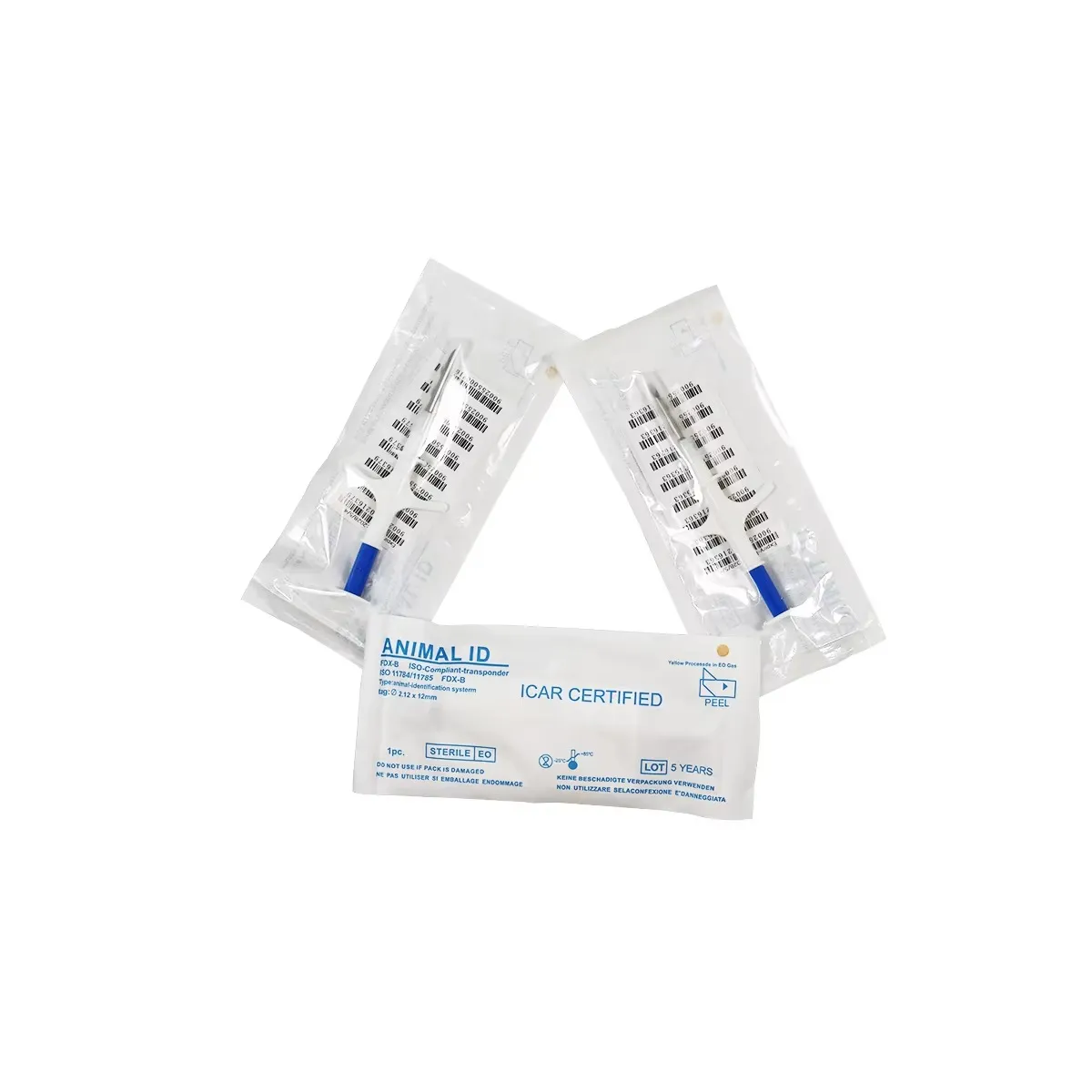
RFID Pet Microchips: A Complete Guide to Reliable Pet Identification
Introduction to RFID Pet Microchips
Permanent pet identification is a critical component of responsible pet ownership. Studies show that microchipped lost dogs are reunited with their owners at a rate of over 52 percent, compared to just 22 percent for non-microchipped dogs, while microchipped cats have a 38 percent reunion rate versus 2 percent for non-microchipped cats. ICAR certified RFID pet microchips provide a tamper-proof, permanent form of ID that cannot be lost, removed, or altered like collars and tags, supporting fast lost pet recovery and compliance with official pet registration requirements in most regions.
What Are RFID Pet Microchips? (Core Technology Breakdown)
How Passive RFID Works for Pet ID
These pet microchips use passive RFID technology, meaning they require no internal battery to operate. When a compatible scanner passes within read range of the implanted chip, the scanner emits a low frequency radio signal that powers the chip, which then transmits its unique, unchangeable identification number back to the scanner for verification. Each chip is programmed with a one-of-a-kind ID at manufacture that is linked to the pet owner’s contact information in a secure national or global registration database.
Frequency & Protocol Basics (134.2 kHz, FDX-A/FDX-B/HDX)
All our RFID pet microchips operate at 134.2 kHz, the globally accepted standard frequency for animal identification. The chips support three common animal ID protocols: FDX-A, FDX-B, and HDX. FDX-B is the most widely adopted protocol globally, recognized in over 100 countries. FDX-A is used in specific regional markets, while HDX offers extended read range for high volume scanning operations such as animal shelter intake processing. Our chips are compatible with EM4305, EM4100, ID, and UHF chip model specifications to support existing scanning and registration infrastructure.
Key Specifications of Our RFID Pet Microchips
Chip Model Options
We offer RFID pet microchips compatible with four common chip model standards to suit varying operational requirements: EM4305 (rewritable, suitable for dynamic registration updates), EM4100 (read-only, low cost for high volume deployment), ID (standard low frequency read-only), and UHF (extended read range for large scale scanning use cases).
Size Variations by Protocol
Our microchips are available in multiple size options tailored to each protocol and pet type: FDX-B chips are offered in 1.25x7mm and 1.4x8mm sizes for small pets including cats, rabbits, and small dog breeds, and 2.12x12mm sizes for medium to large dog breeds and livestock cross-use. FDX-A chips are available in 1.4x8mm and 2.12x12mm variants, while HDX chips are offered in 2.12x12mm size for extended read range performance.
Material & Lifespan Details
All microchips are encased in medical grade bioglass, a biocompatible material that eliminates risk of adverse tissue reaction, migration, or rejection after implantation. The hermetically sealed bioglass casing protects the internal chip components from fluid damage and wear, delivering a rated operational lifespan of 10+ years, covering the full lifetime of most companion animal species.
Benefits of ICAR-Certified & ISO-Compliant RFID Pet Microchips
ICAR (International Committee for Animal Recording) certification verifies that our microchips meet global animal identification performance and quality standards, ensuring the chip’s unique ID is recognized in all ICAR member country registration systems for cross-border travel and relocation use. Compliance with ISO 11784 (animal ID code structure) and ISO 11785 (technical protocol standards) guarantees compatibility with all standard compliant pet scanners used by veterinary clinics, animal shelters, animal control agencies, and border control authorities worldwide. The syringe injectable design reduces implantation time and discomfort for pets, while the long lifespan eliminates the need for repeat chip replacement over the pet’s lifetime.
Implantation Process: Syringe-Injectable Pet Microchips
Who Should Perform Implantation?
Implantation of RFID pet microchips must only be performed by a licensed veterinary professional or trained authorized animal care personnel. The preloaded sterile syringe eliminates the need for separate chip handling, reducing risk of infection during the quick, low pain procedure, which is similar to a routine vaccination injection, typically administered between the pet’s shoulder blades under the loose subcutaneous skin layer.
Post-Implantation Care Tips
Post-implantation care is minimal: pet owners should avoid touching the implantation site for 24 hours, and restrict strenuous activity for 3 to 5 days to allow the chip to settle in the tissue. A follow-up scan at the veterinary clinic 7 to 10 days after implantation is recommended to confirm proper chip placement and readability, before the owner registers the unique ID in their regional pet registration database.
How to Choose the Right RFID Pet Microchip for Your Pet
Matching Protocols to Regional Requirements
Select a chip protocol that aligns with your local or national animal ID regulations: FDX-B is the required standard in most European, North American, and Asia Pacific regions, while FDX-A is specified for use in select South American and African markets. Confirm compatibility with your local animal control and shelter scanning equipment before purchase.
Selecting the Correct Size for Your Pet Type
Choose the smallest size available for your pet’s species and weight to minimize implantation discomfort: 1.25x7mm chips are suitable for pets weighing under 2kg including kittens, small birds, and exotic companion animals, 1.4x8mm chips are ideal for adult cats and small dog breeds under 10kg, and 2.12x12mm chips are recommended for medium and large dog breeds over 10kg.
Prioritizing Certifications for Global Recognition
Always select ICAR certified, ISO 11784/11785 compliant microchips if you plan to travel with your pet across international borders, as uncertified chips may not be recognized by border control authorities, leading to delays or denial of entry for your pet. Certified chips also guarantee compatibility with scanning equipment across all global markets.
The Role of RFID Pet Microchips in Lost Pet Recovery
When a lost pet is brought to an animal shelter, veterinary clinic, or animal control facility, staff first perform a full body scan with a universal pet microchip scanner to detect any implanted chip. The unique ID number retrieved from the chip is cross-referenced with the relevant registration database to retrieve the pet owner’s current contact information, allowing staff to contact the owner immediately to arrange reunion. Microchips remain functional for the full lifetime of the pet, providing permanent identification even if the pet loses its collar or tags multiple times.
Technical Specifications Table
| Chip Model Compatibility | Supported Protocols | Size Options | Material | Frequency | Lifespan |
|---|---|---|---|---|---|
| EM4305, EM4100, ID, UHF | FDX-A, FDX-B, HDX | 1.25x7mm, 1.4x8mm, 2.12x12mm | Medical Grade Bioglass | 134.2 kHz | 10+ Years |
Protocol Comparison Reference
| Protocol | Regional Adoption | Typical Read Range | Primary Use Case |
|---|---|---|---|
| FDX-B | Global (100+ countries) | 2 to 10 cm | General companion animal identification, cross-border travel |
| FDX-A | Select South American, African markets | 2 to 8 cm | Regional domestic pet registration |
| HDX | Global, high volume use cases | 10 to 20 cm | Animal shelter intake, large scale population monitoring |
Frequently Asked Questions
Do RFID pet microchips cause pain to pets during implantation?
The implantation procedure is comparable to a routine vaccination injection, causing minimal temporary discomfort. Most pets show no adverse reaction to the procedure within minutes of administration.
Can RFID pet microchips stop working over time?
Our hermetically sealed bioglass encased chips have a rated lifespan of 10+ years with no moving parts or battery to fail, making unexpected malfunction extremely rare. Annual routine scans during veterinary checkups are recommended to confirm ongoing readability.
How do I register my pet’s microchip ID?
After implantation, you may register the unique ID number in your national or regional pet registration database, along with your current contact information. You should update your registration details whenever you change your address or phone number to ensure you can be contacted if your pet is lost.
Can RFID pet microchips track my pet’s location?
RFID pet microchips do not include GPS tracking functionality. They only store a unique identification number that is read by compatible scanners to retrieve owner contact information from a registration database.