
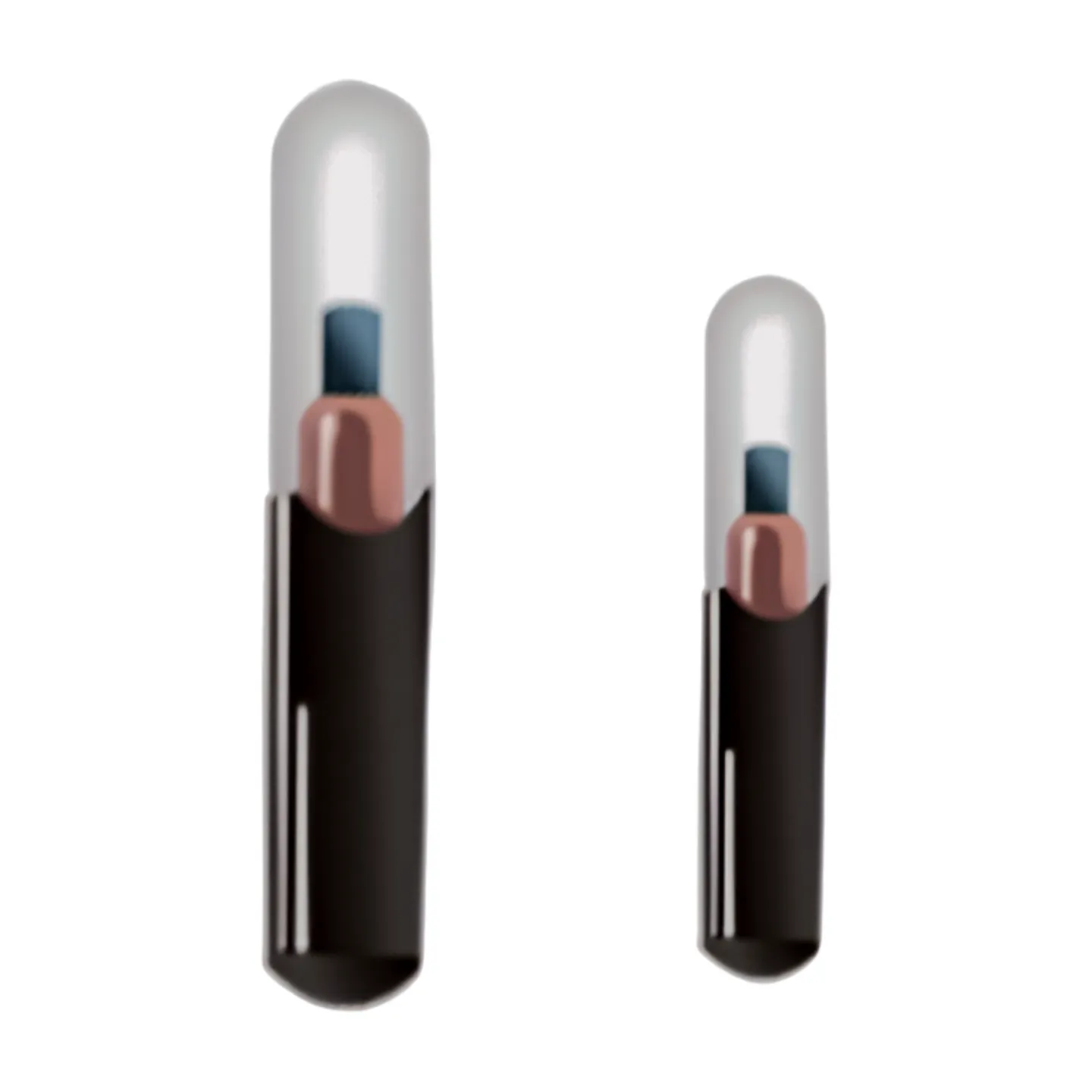
134.2 kHz RFID Animal Microchips: The Complete Guide to Certified, Permanent Animal Identification
What Are 134.2 kHz Animal Microchips?
134.2 kHz animal microchips are low-frequency RFID implantable devices that serve as the global standard for permanent animal identification. Each chip stores a unique, unalterable identification number that can be retrieved with a compatible 134.2 kHz RFID reader, eliminating the risk of lost or damaged external identification tags. The chips are preloaded in sterile single-use syringes for fast, low-pain implantation by trained veterinary professionals.
Core Technical Specifications of 134.2 kHz Microchips
Frequency & Protocol Compatibility (FDX-A/FDX-B/HDX)
All microchips operate at the global standard 134.2 kHz LF frequency, and support FDX-A, FDX-B, and HDX protocols to match regional regulatory requirements and reader compatibility across all major markets.
Chip Model Options
The microchips are available in multiple chip model variants including EM4305, EM4100, ID, and UHF, to support use cases ranging from basic companion animal identification to advanced livestock traceability and herd management systems.
Material & Size Variations by Protocol
All chips are constructed from medical-grade bioglass for maximum biocompatibility and tissue integration. Sizes vary by protocol to suit different animal species: FDX-A models range from 1.4x8mm to 4x34mm, while HDX models range from 2x12mm to 4x34mm.
Lifespan & Durability
The microchips require no internal power source, relying on passive RFID technology to operate when scanned by a compatible reader. They deliver a minimum 10-year operational lifespan, providing permanent identification for the vast majority of animal lifecycles.
Key Benefits of 134.2 kHz LF RFID Microchips
These microchips offer significant advantages over alternative animal identification methods: ICAR certification ensures global recognition for cross-border animal travel and regulatory compliance; medical-grade bioglass construction eliminates risk of tissue rejection or adverse reactions; multiple size and protocol options support use across all animal types from small pets to large livestock; and pre-loaded syringe delivery allows fast, standardized implantation by trained personnel.
Approved Applications & Target Animals
The microchips are suitable for a wide range of animal identification use cases: companion animal identification for pet shelters, veterinary clinics and pet owners to reunite lost pets with their owners; livestock tracking for farm managers to support herd management, disease control and food supply traceability; exotic animal identification for zoos and wildlife conservation programs to monitor captive and wild populations; and regulatory compliance for government bodies enforcing mandatory animal identification rules.
Implantation Process & Best Practices
Syringe Injection Technique
Implantation must be performed by a trained veterinary professional to ensure safety and correct placement. The microchip is preloaded in a sterile single-use syringe, injected subcutaneously at the recommended site for the target animal, typically between the shoulder blades for small companion animals and at the base of the ear for large livestock species.
Post-Implantation Care Tips
After implantation, apply gentle pressure to the injection site for 30 to 60 seconds to prevent microchip migration. Monitor the site for 24 to 48 hours for signs of swelling, redness or infection, and confirm microchip readability with a compatible 134.2 kHz RFID reader before updating the animal’s registration details in the relevant database.
Certification & Compliance Standards
ICAR Certification: Global Recognition
All microchips hold valid ICAR certification, the global gold standard for animal identification technology. This certification ensures the unique ID assigned to each chip is recognized by regulatory bodies, animal registration databases and reader systems worldwide.
ISO 11784/11785: Industry Benchmarks
The microchips are fully compliant with ISO 11784 and ISO 11785 international standards for animal RFID identification, guaranteeing compatibility with all standard 134.2 kHz LF RFID readers used in veterinary, agricultural and border control settings.
How to Choose the Right 134.2 kHz Microchip for Your Needs
Follow this simple framework to select the appropriate microchip for your use case: first, confirm the required protocol for your regional regulatory requirements; second, select a size appropriate for the weight, species and implantation site of the target animal; finally, verify that the chip holds valid ICAR certification and ISO 11784/11785 compliance to ensure compatibility with existing reader and registration systems in your region.
Frequently Asked Questions
Q: Are these microchips safe for all animal species?
A: Yes, the medical-grade bioglass construction is biocompatible for use in all mammal, bird and reptile species when implanted by a trained veterinary professional.
Q: How often does the microchip need to be replaced?
A: The passive RFID design requires no battery, and the microchip has a minimum 10-year operational lifespan, so it does not require replacement for the vast majority of animal lifecycles.
Q: Can the microchip be read by all standard animal RFID readers?
A: All ISO 11784/11785 compliant 134.2 kHz LF RFID readers can read the microchip, matching the protocol supported by the specific chip variant you select.
Q: Is the identification number on the microchip globally unique?
A: Yes, all ICAR certified microchips are assigned a globally unique 15-digit ID number that is registered in international animal identification databases to avoid duplicate ID conflicts.