
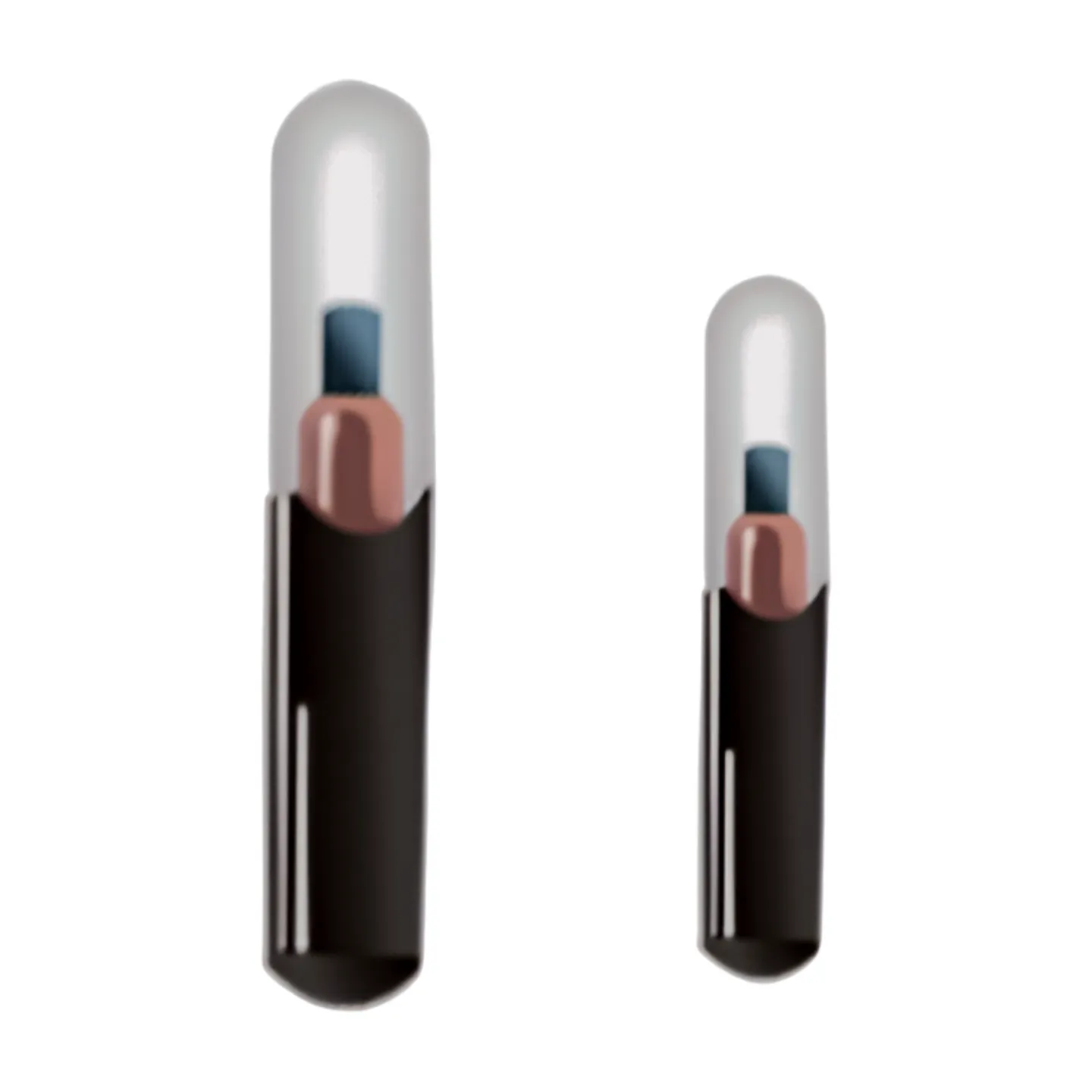
134.2 kHz Animal Microchips: A Comprehensive Guide to LF RFID Identification Solutions
1. What Are 134.2 kHz Animal Microchips?
Core Technology: Low-Frequency (LF) RFID Explained
134.2 kHz is the globally standardized low frequency for animal RFID identification. Unlike higher frequency RFID bands, 134.2 kHz signals deliver reliable penetration through animal tissue, fur and water, with minimal interference, making it ideal for permanent implantation use cases. The passive chip design requires no internal battery, eliminating the need for replacement over the animal’s lifetime.
How 134.2 kHz Microchips Work for Permanent Animal Identification
When scanned by a compatible 134.2 kHz RFID reader, the microchip is powered by the reader’s radio signal, and transmits a unique, non-repeating identification number linked to the animal’s official records, including owner contact details, health history and breeding information. The chip emits no signal when not scanned, ensuring complete safety for long-term implantation.
2. Technical Specifications of 134.2 kHz Microchips
Frequency & Protocol Compatibility (FDX-A, FDX-B, HDX)
All microchips operate at a fixed 134.2 kHz frequency, with support for three universal animal ID protocols: FDX-A for regional livestock management systems, FDX-B for global pet travel and cross-system compatibility, and HDX for high-volume, fast scanning of large livestock herds. All protocols are readable by most standard commercial animal RFID readers worldwide.
Chip Models & Biocompatible Materials
Available chip models include EM4305, EM4100 and ID series, to match varied functional requirements for read range and data storage. Each chip is fully encased in medical grade bioglass, which is biocompatible, anti-migration, and corrosion-resistant, eliminating risk of adverse reactions or chip movement after implantation.
Size Variants for Every Animal Type
Multiple size options are available across protocols to suit all animal sizes: FDX-B chips are offered as small as 1.25x7mm for small companion animals including cats, rabbits and small rodents, mid-sized 2x8mm to 2x12mm options for medium sized dogs, sheep and goats, and up to 4x34mm for large livestock including cattle, horses and camels. FDX-A and HDX protocols offer matching size ranges for specialized use cases.
3. Global Compliance & Certifications
ISO 11784/11785: The International Standard for Animal RFID
All 134.2 kHz microchips fully comply with ISO 11784/11785 international standards, which define uniform requirements for data formatting, frequency operation and readability for animal identification devices. Compliance with these standards ensures the microchip can be read by any standard compliant reader in any country, eliminating compatibility issues for cross-border use.
ICAR Certification: Why It Matters for Cross-Border Travel & Regulatory Acceptance
All microchips carry ICAR (International Committee for Animal Recording) certification, the global gold standard for animal identification device quality and traceability. ICAR certification is a mandatory requirement for cross-border pet travel to most regions including the European Union, United States, Australia and Singapore, and ensures the chip’s unique ID is recognized in global animal registration databases.
4. Key Benefits of Choosing 134.2 kHz Animal Microchips
The 134.2 kHz microchip delivers multiple advantages over non-compliant alternative identification methods: It has a proven service lifespan of over 10 years, providing permanent identification for the full lifetime of most animal species. The pre-loaded syringe design allows for fast, minimally invasive implantation by trained professionals. The wide range of protocol and size options makes it suitable for all use cases from companion animal recovery to large scale commercial livestock management. Global ISO and ICAR compliance removes barriers to cross-border travel and regulatory reporting. The biocompatible bioglass casing ensures long-term safety with zero risk of tissue rejection.
5. Real-World Applications of 134.2 kHz Microchips
These microchips are deployed across a wide range of use cases: For pet owners, they enable reliable lost pet recovery and meet all regulatory requirements for international pet travel. For veterinarians and animal shelters, they support accurate animal record keeping, stray rehoming and population management. For livestock farmers, they enable individual animal tracking for health monitoring, breeding management, food traceability and compliance with agricultural regulatory requirements. For wildlife conservation teams, they support non-invasive tracking of wild animal populations for research and species protection programs.
6. Implantation Process & Best Practices
Syringe Injection: Safe, Efficient Implantation
All 134.2 kHz microchips are supplied pre-loaded in a sterile, single-use syringe for fast, safe implantation. Implantation must be performed by a trained veterinary professional, with standard implantation sites including the loose skin between the shoulder blades for companion animals, and the base of the ear or neck skin for livestock. The procedure takes less than 10 seconds, with minimal discomfort comparable to a standard vaccination.
Post-Implant Care & Verification Tips
After implantation, users should monitor the implantation site for 24 to 48 hours for any rare signs of inflammation. The chip should be scanned immediately after implantation to verify its unique ID is correctly readable. Users must register the unique ID and their up-to-date contact details in a relevant national or global animal microchip database to ensure the animal can be identified and returned if lost.