
Product Overview
What Is Our Animal RFID Microchip?
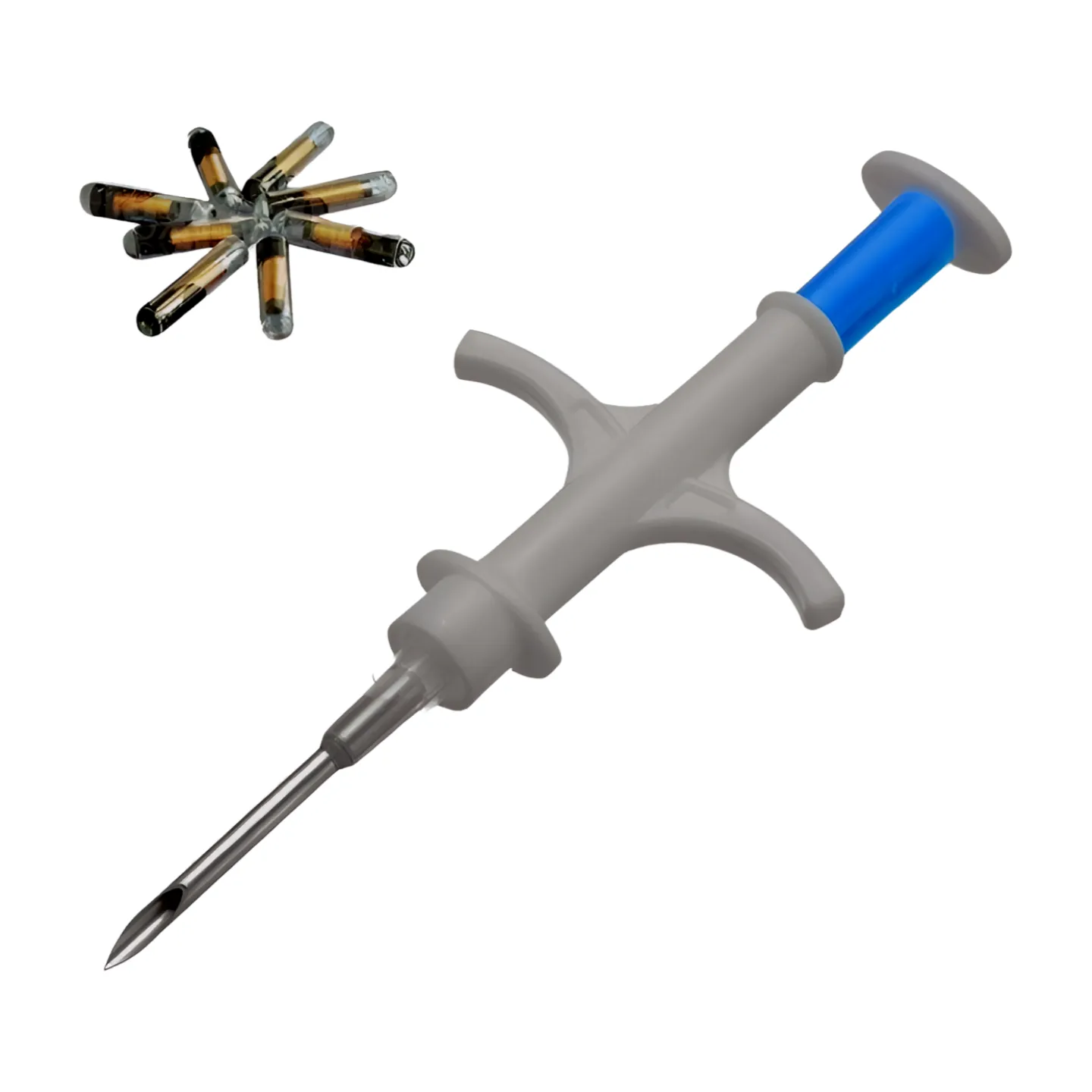
Our Animal RFID Microchip is a tiny, biocompatible passive RFID device designed for permanent, unique identification of pets and livestock. It serves as a foundational element in animal-focused RFID temperature monitoring systems, enabling individual animal temperature tracking and direct linkage to health data.
Core Value for RFID Temperature Monitoring
This microchip addresses critical pain points in animal health management: it eliminates manual temperature tracking errors, supports proactive health intervention, and streamlines large-scale monitoring for both pets and livestock.
Key Features That Enhance Temperature Monitoring
Passive RFID Technology for Uninterrupted Health Tracking
No battery is required; the microchip is powered by RFID temperature readers, ensuring lifelong functionality without maintenance. It consistently pairs with sensors to link unique animal IDs to real-time temperature readings.
Unique UID for Precise Individual Animal Temperature Mapping
Each microchip has a tamper-proof, permanent unique identification number (UID). This enables granular tracking of temperature trends per animal, which is critical for early disease detection.
ISO 11784/11785 & FDX-B Compliance
The microchip aligns with global animal identification standards, ensuring cross-system compatibility. It works seamlessly with most commercial RFID temperature monitoring readers and software platforms.
Bioglass Construction for Long-Term, Safe Implantation
Made from non-toxic, hypoallergenic bioglass, the microchip is suitable for all animal sizes (from small pets to large livestock). Its durable design withstands daily activity and harsh farm environments.
How the Microchip Works in RFID Temperature Monitoring Systems
Implantation & Permanent Identification
The microchip is implanted via a minimally invasive process by trained veterinarians. Its UID is stored permanently, supporting lifelong animal tracking.
Pairing with Temperature-Sensing RFID Readers
When scanned by an RFID temperature reader, the microchip transmits its UID to the reader. The reader syncs this UID with real-time temperature data from integrated sensors.
Data Capture & Integration with Health Platforms
Combined UID and temperature data is sent to cloud-based or on-premise monitoring software. Users can access historical trends, set alerts for abnormal readings, and generate compliance reports.
Target Applications for RFID Temperature Monitoring
Pet Health Management (Veterinary Clinics & Pet Owners)
Use cases include post-surgery temperature monitoring, chronic condition management (e.g., fever tracking for infectious diseases), and lost pet recovery with linked health records.
Livestock Disease Prevention & Farm Management
It supports early detection of fever outbreaks (e.g., foot-and-mouth disease, avian influenza), bulk temperature screening for herds, and compliance with animal health regulations for export/import.
Animal Shelter & Rescue Mass Health Screening
The microchip enables efficient temperature tracking for large groups of animals, helping prioritize care for at-risk individuals during intake.
Technical Specifications
| Parameter | Details |
|---|---|
| Frequency | 134.2 kHz |
| Material | Bioglass |
| Size | 1.4×8.5mm |
| Chip Model | EM4305 |
| Standards | ISO 11784/11785, FDX-B |
| Power Source | Passive (powered by RFID reader) |
User Benefits: Why Choose Our Microchip for Your Temperature Monitoring System?
Eliminate Manual Tracking Errors
Replace time-consuming, inaccurate manual temperature checks with automated, ID-linked data. Reduce human error in matching animals to their temperature readings.
Reduce Operational Costs
Maintenance-free passive technology eliminates battery replacements or chip upgrades. Streamline large-scale health monitoring to save labor costs.
Ensure Global Compliance
ISO 11784/11785 compliance meets international animal health and identification requirements. Simplify export/import processes for livestock with standardized data records.
Enable Proactive Health Intervention
Set real-time alerts for abnormal temperature readings to catch health issues early. Minimize disease spread in herds or shelters with rapid response.
Industry Use Cases
Commercial Cattle Farm: Preventing Fever Outbreaks
A 5,000-head cattle farm used the microchip + temperature reader system to detect a fever outbreak 3 days early, reducing losses by 40% through targeted intervention.
24/7 Veterinary Clinic: Post-Operative Pet Care
An emergency vet clinic used the system to remotely monitor post-surgery pet temperatures, reducing overnight staff workload by 30% while improving care accuracy.
Animal Shelter: Mass Intake Health Screening
A municipal shelter used the system to screen 200+ rescue animals in 2 hours, identifying 12 animals with fever requiring immediate care and reducing disease transmission risk.
Compatibility & Integration Guide
Compatible RFID Temperature Readers
The microchip works seamlessly with FDX-B protocol-compliant readers from leading vendors, including leading industry providers. In-house readers are also available for custom system setups.
Software Integration Tips
To link microchip UID data to existing systems: 1) Export UID lists from the reader software; 2) Map UIDs to animal records in your health platform; 3) Enable real-time data sync via API (supported for cloud platforms like AWS and Azure, plus on-premise systems).
Professional Implantation Best Practices
For pets: Implant subcutaneously between the shoulder blades using a sterile syringe. For livestock: Implant in the ear base or neck (depending on species) with a dedicated implantation tool. Post-implantation: Monitor the site for 24 hours to ensure no adverse reactions.
Frequently Asked Questions (FAQs)
Can this microchip directly measure temperature?
No. The microchip is an identification device that pairs with RFID temperature readers to link unique animal IDs to temperature data collected by the reader’s integrated sensors.
How long does the microchip last in an animal?
The microchip has a lifelong functional lifespan. Its passive design (no battery) and durable bioglass construction ensure it remains operational for the animal’s entire life.
Is the microchip compatible with all RFID temperature monitoring systems?
Yes, as it complies with ISO 11784/11785 and FDX-B standards, which are widely adopted by commercial RFID temperature monitoring systems.
What is the implantation process for livestock vs. small pets?
For small pets (dogs, cats): Minimally invasive subcutaneous implantation between the shoulder blades by a veterinarian. For livestock (cattle, sheep): Implantation in the ear base or neck using a specialized tool, typically by a trained farm staff member or veterinarian.
Get Started with Our Animal RFID Microchip
Request a Custom Quote
For bulk orders (livestock farms, vet clinics, shelters), provide details on your required quantity and system integration needs to receive a custom quote. Sample kits are available for testing with existing temperature monitoring systems.
Schedule a Demo
Book a 15-minute demo to see how the microchip integrates with your RFID temperature monitoring workflow. The demo includes a live walkthrough of data capture, alert setup, and report generation.
Contact Our Expert Team
Our technical support team is available via phone, email, and live chat to answer questions about compatibility, integration, or implantation. We provide personalized guidance to ensure your system meets your specific needs.