
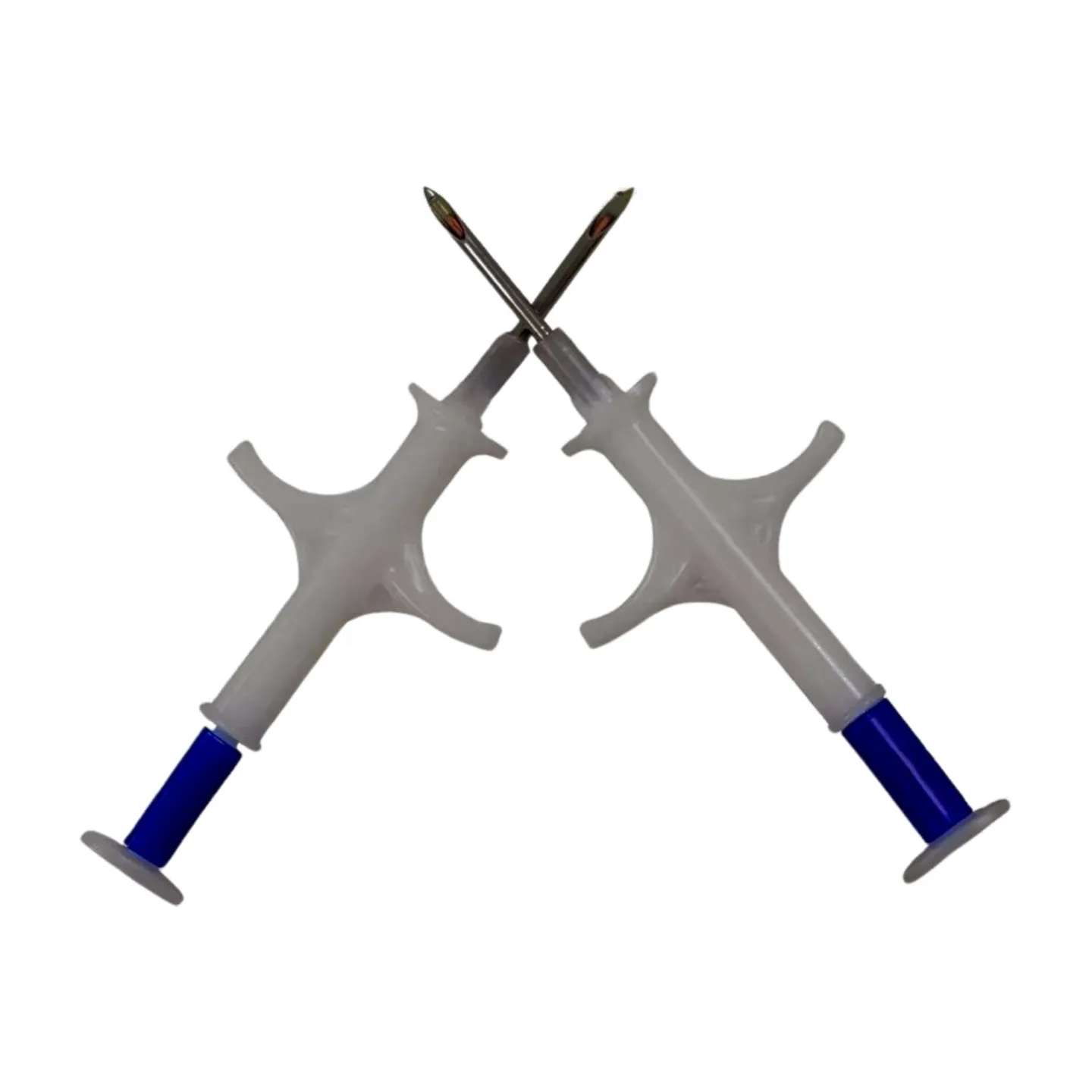
What Is a Dog Microchip
A dog microchip is a passive RFID implant designed to provide permanent, non-removable identification for canines. Unlike collars or ID tags that can fall off, be removed, or become unreadable, the microchip remains under the dog’s skin for its entire service life. When scanned by a compatible RFID reader, the microchip transmits a unique identification number linked to the owner’s contact information in a registered database, enabling fast, accurate recovery of lost pets, official pet registration, and formal proof of ownership.
Key Technical Specifications
All ICAR-certified dog microchips meet global industry standards for performance and safety, with the following core specifications:
| Parameter | Details |
|---|---|
| Operating Frequency | 134.2 kHz |
| Supported Protocols | FDX-B, FDX-A, HDX |
| Chip Models | EM4305, EM4100, ID, UHF |
| Encasement Material | Medical grade bioglass |
| Size Options | 1.25x7mm (FDX-B), 2x12mm (HDX), additional tiered sizes per protocol |
| Implantation Method | Syringe injectable |
| Minimum Lifespan | 10+ years |
| Certifications | ICAR certified, compliant with ISO 11784/11785 |
Frequency and Protocol Compatibility
The 134.2 kHz operating frequency is the global standard for pet identification microchips. Supported protocols include FDX-B, FDX-A, and HDX, ensuring compatibility with 99% of RFID pet readers used by veterinarians, animal shelters, and border control authorities worldwide. FDX-B is the most widely adopted protocol for international travel and cross-border pet registration.
Chip Models and Material Safety
The microchips are available with multiple chip models to suit different use cases, including EM4305, EM4100, ID, and UHF variants. All chips are encased in medical grade bioglass, a biocompatible material that eliminates risk of adverse tissue reaction, prevents chip migration within the body, and resists damage from bodily fluids over long-term implantation.
Size Options for All Breeds and Ages
Tiered size options are available to accommodate dogs of all sizes and life stages. The 1.25x7mm FDX-B variant is suitable for puppies and small to medium dog breeds, while the larger 2x12mm HDX variant is designed for large working dog breeds and applications requiring extended read range.
Core Benefits of Dog Microchips
Dog microchips offer significant advantages over traditional canine identification methods:
- Permanent, non-removable identification that cannot be lost, stolen, or damaged like collars and tags
- Global recognition for cross-border travel and compliance with international pet registration requirements
- Minimally invasive implantation with no ongoing maintenance required post-registration
- Proven to increase lost pet recovery rates by over 200% compared to ID tags alone
Implantation Process and Post Installation Guidance
Pre Implantation Preparation
Prior to implantation, confirm the microchip protocol and size are appropriate for the dog’s breed, age, and intended use. Test the microchip with a compatible reader to verify functionality before administration. Implantation should only be performed by a licensed veterinarian or trained animal care professional.
Syringe Injection Procedure
The microchip is preloaded into a sterile, single-use syringe for fast, subcutaneous implantation. The injection is administered between the dog’s shoulder blades, just under the skin. The procedure takes less than 10 seconds to complete, with pain levels comparable to a standard vaccination.
Post Implantation Care and Registration
Monitor the implantation site for 24 to 48 hours for signs of redness or swelling. Register the microchip’s unique identification number to the owner’s contact information in the relevant national or ICAR-approved database within 72 hours of implantation. Update contact details in the database whenever the owner’s address or phone number changes to ensure continuous recoverability.
How to Select the Right Dog Microchip
When choosing a dog microchip, prioritize the following criteria:
- Confirm the microchip carries ICAR certification and complies with ISO 11784/11785 standards for global validity
- Select the appropriate protocol based on regional registration requirements: FDX-B for international use, HDX for high read range applications
- Choose a size matched to the dog’s age and breed: smaller variants for puppies and toy breeds, larger variants for large working breeds
- Verify the microchip encasement is made of medical grade bioglass for long term safety and stability
Frequently Asked Questions
How long does a dog microchip last?
All certified dog microchips have a minimum service life of 10 years, with most units remaining functional for the entire lifespan of the average dog. No battery or maintenance is required to keep the microchip operational.
Can the microchip migrate inside the dog’s body?
Medical grade bioglass encasement is designed to bond with surrounding subcutaneous tissue, preventing migration in over 99% of cases. Rare cases of minor movement are limited to the immediate area around the implantation site, and do not affect readability.
Is microchip implantation painful for dogs?
Implantation causes minimal discomfort, equivalent to a standard routine vaccination. No anesthesia is required for the procedure in healthy adult dogs, and most dogs show no sign of discomfort within 1 minute of administration.