
FDX-B Microchips: A Complete Guide to ICAR-Certified RFID Animal Identification
What Are FDX-B Microchips?
FDX-B microchips are passive, implantable RFID devices designed for permanent, non-removable animal biometric identification. They operate without an internal battery, activating only when scanned by a compatible 134.2 kHz RFID reader to transmit a unique, unalterable identification number.
Core Technology Behind FDX-B Microchips
These microchips operate on a 134.2 kHz low-frequency RFID band, using full-duplex transmission for fast, reliable data transfer. Supported chip models include EM4305, EM4100, ID, and UHF variants to suit different use case requirements.
How FDX-B Microchips Enable Permanent Animal Identification
Each FDX-B microchip is pre-programmed with a unique 15-digit identification number linked to a central database containing animal and owner information. Once implanted, the chip remains functional for the lifetime of the animal, with no risk of loss or damage compared to external tags.
Technical Specifications of FDX-B Microchips
All FDX-B microchips meet strict performance and safety standards for animal implantation. Key specifications are outlined below:
Frequency & Protocol Compatibility
The microchips operate at a standard 134.2 kHz frequency, with native support for FDX-B, FDX-A, and HDX protocols to ensure compatibility with most global RFID reader systems.
Chip Models & Biocompatible Materials
Chips are encased in medical-grade bioglass, a non-reactive, biocompatible material that prevents migration after implantation and reduces risk of tissue irritation. Available chip models include EM4305 (rewritable), EM4100 (read-only), ID, and UHF variants.
Protocol-Specific Size Options
FDX-B microchips are available in sizes ranging from 1.25x7mm for small animals such as cats and small breed dogs, up to 4x34mm for large livestock and wildlife species. Size options for FDX-A and HDX variants are also available upon request.
Long-Term Reliability & Lifespan
All FDX-B microchips have a rated lifespan of 10+ years, with consistent performance throughout the entire lifecycle of the animal with no required maintenance.
| Parameter | Specification |
|---|---|
| Operating Frequency | 134.2 kHz |
| Supported Protocols | FDX-B, FDX-A, HDX |
| Chip Models | EM4305, EM4100, ID, UHF |
| Material | Medical Grade Bioglass |
| FDX-B Size Range | 1.25x7mm to 4x34mm |
| Implantation Method | Syringe Injectable |
| Lifespan | 10+ Years |
| Certifications | ICAR Certified, ISO 11784/11785 Compliant |
Compliance & Certifications: Why They Matter
Global recognition and regulatory compliance are critical for animal identification, especially for cross-border travel or commercial livestock trade.
ISO 11784/11785: Global Standards for Animal Microchips
These international standards define the technical specifications for animal RFID microchips, ensuring consistent read performance across all compliant reader systems worldwide.
ICAR Certification: Ensuring Cross-Border Recognition
ICAR certification confirms that the microchip meets global animal identification requirements, with unique identification numbers registered in an international database for recognition across all participating countries. This is mandatory for pet travel to most regions, including the EU, and for commercial livestock trade.
Applications of FDX-B Microchips Across Animal Types
FDX-B microchips are suitable for use across all animal species, with use cases tailored to different user groups:
Pet Identification & Lost Pet Recovery
Implanted in cats, dogs, and other companion animals, FDX-B microchips enable shelters and veterinary clinics to identify lost pets and reunite them with their owners, even if external collars or tags are lost.
Livestock Management & Regulatory Compliance
For cattle, sheep, pigs, and other livestock, FDX-B microchips support traceability for disease control, breeding management, and compliance with food safety regulations. They also enable accurate record-keeping for commercial livestock operations.
Wildlife Research & Shelter Animal Tracking
Wildlife researchers use FDX-B microchips to track migration patterns, population dynamics, and health of wild animal species. Animal shelters use these microchips to track intake, medical records, and adoption status of resident animals.
Implantation & Best Practices for FDX-B Microchips
FDX-B microchips are designed for fast, low-pain implantation by trained personnel.
Syringe Injectable Implantation Process
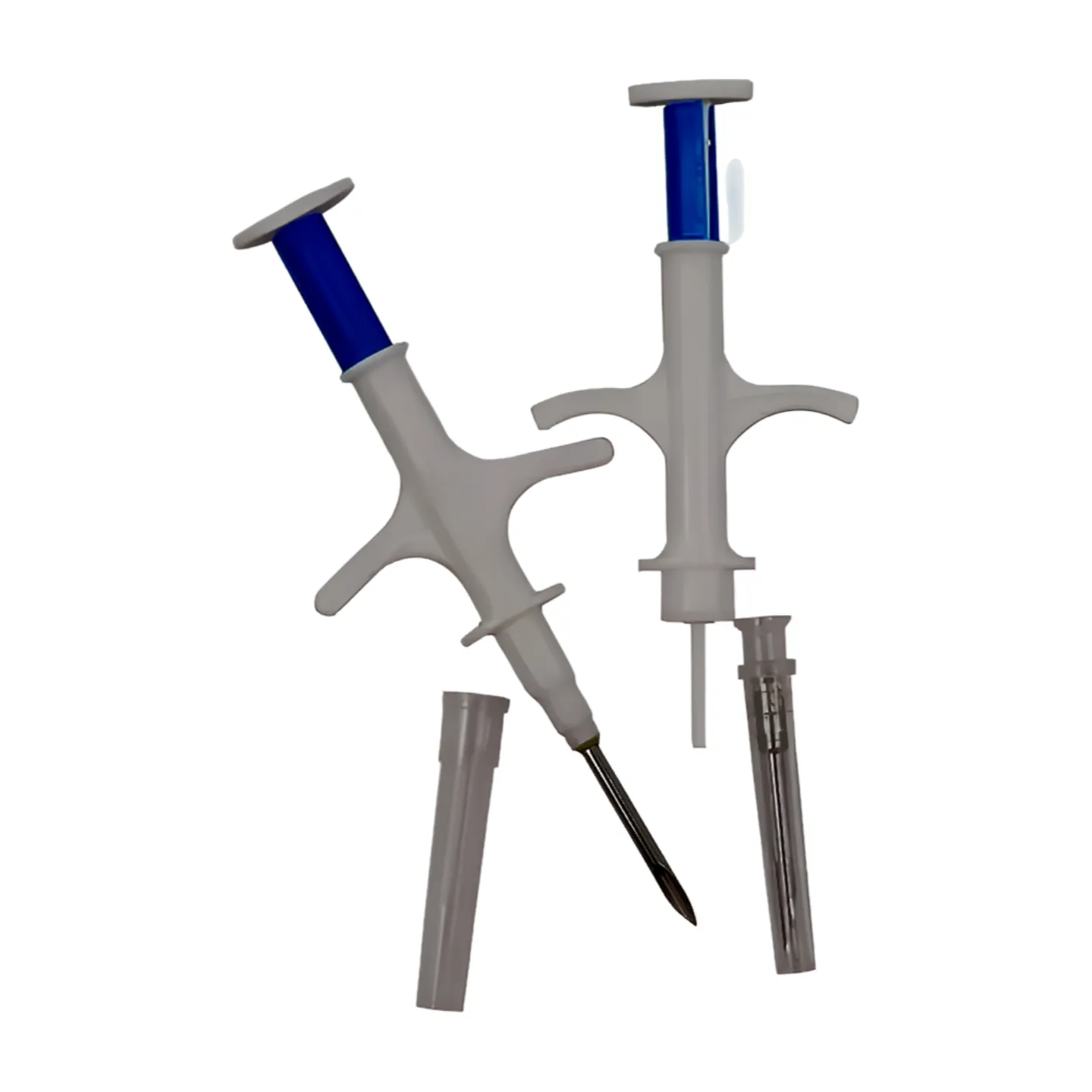
Each microchip is pre-loaded in a sterile, single-use syringe for immediate use. Implantation is performed by inserting the syringe under the loose skin at the scruff of the neck for small animals, or behind the ear for large livestock, taking less than 10 seconds to complete.
Post-Implantation Verification & Care
Immediately after implantation, scan the site with a compatible RFID reader to confirm the microchip is functioning and the unique ID is read correctly. No special post-care is required, though mild temporary redness at the implantation site is normal and resolves within 24 to 48 hours.
FDX-B vs FDX-A vs HDX: Which Protocol Is Right for You?
Selecting the correct protocol depends on your existing reader infrastructure and use case requirements:
Key Protocol Differences
FDX-B offers full-duplex transmission with fast read speeds and global compliance. FDX-A uses half-duplex transmission and is primarily used for regional, legacy systems. HDX uses half-duplex transmission with a longer read range, ideal for large livestock operations where animals are scanned from a distance.
Ideal Use Cases for Each Protocol
FDX-B is recommended for most general use cases including pet identification, cross-border travel, and standard livestock management. FDX-A is suitable for users with legacy FDX-A reader infrastructure in regional markets. HDX is preferred for large commercial livestock operations requiring long read ranges for high-volume scanning.
How to Choose the Best FDX-B Microchip for Your Needs
Consider the following factors when selecting FDX-B microchips for your use case:
Factors to Consider
First, select the appropriate size based on the animal species: smaller 1.25x7mm chips for companion animals, larger sizes for livestock and wildlife. Confirm that the microchip is ICAR certified and ISO 11784/11785 compliant if you require cross-border recognition. Verify compatibility with your existing RFID reader system to ensure reliable performance.
Top Recommendations for Target Users
For veterinarians and pet owners, choose 1.25x7mm ICAR-certified FDX-B microchips for safe implantation and global recognition. For livestock farmers, select larger, HDX-compatible variants for long read range and high-volume scanning. For wildlife researchers, choose durable, long-sized microchips designed for long-term implantation in wild species.
Frequently Asked Questions
Can FDX-B microchips be read by FDX-A readers?
Most modern multi-protocol readers support both FDX-B and FDX-A protocols, but legacy FDX-A only readers cannot read FDX-B microchips.
How long does a FDX-B microchip last?
FDX-B microchips have a rated lifespan of 10+ years, and typically function for the entire lifetime of the animal with no maintenance required.
Is ICAR certification mandatory for pet microchips?
ICAR certification is mandatory for pet travel to the EU, UK, and many other regions, and is required for participation in most national pet identification databases.
Do FDX-B microchips cause adverse reactions in animals?
The medical grade bioglass casing is biocompatible, with less than 0.1% of animals experiencing mild, temporary irritation at the implantation site. No long-term adverse reactions are reported.