
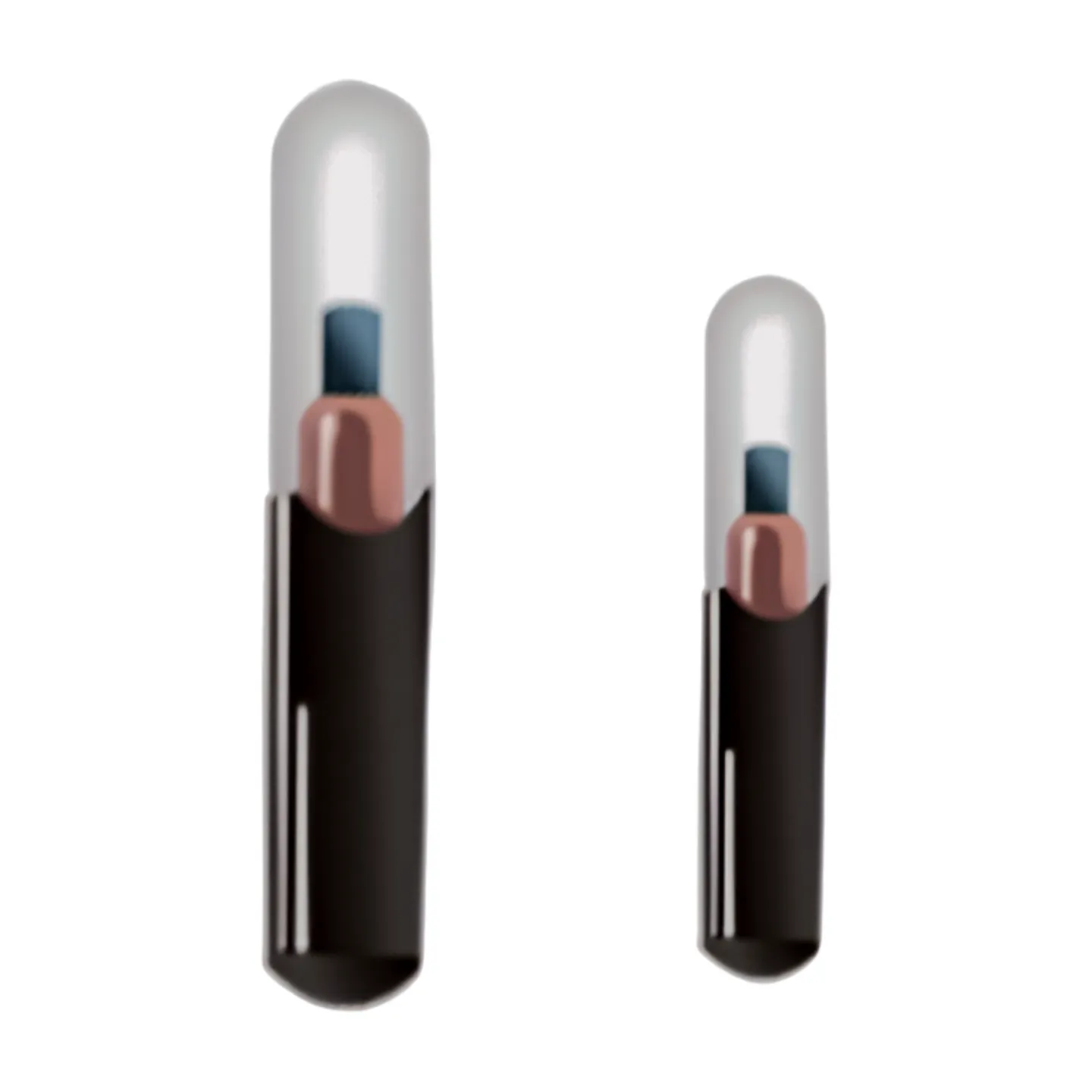
134.2 kHz Animal Microchips: The Ultimate Guide to LF RFID Animal Identification
What Are 134.2 kHz Animal Microchips?
Core Technology: Low-Frequency (LF) RFID Explained
134.2 kHz animal microchips operate on low-frequency RFID technology, a short-range radio frequency standard optimized for reliable reading through animal tissue, water, and metal surfaces common in agricultural or clinical settings. Unlike higher frequency alternatives, LF RFID signals are not disrupted by environmental interference, delivering consistent performance for permanent animal identification.
How 134.2 kHz Microchips Work for Animal Identification
Each microchip stores a unique, unalterable identification number tied to an animal’s records in a centralized database. When scanned by a compatible 134.2 kHz RFID reader, the microchip transmits the stored ID number, enabling instant verification of ownership, health records, and origin for traceability purposes.
Technical Specifications of 134.2 kHz Microchips
Frequency & Protocol Compatibility (FDX-A, FDX-B, HDX)
All microchips operate at the global standard 134.2 kHz LF frequency, with support for three core protocols: FDX-A, FDX-B, and HDX. This multi-protocol design ensures compatibility with nearly all existing animal RFID scanners used across different regions and industries.
Chip Models & Biocompatible Materials
Available chip models include EM4305, EM4100, and ID variants to meet diverse user requirements. Every microchip is encased in medical grade bioglass, a non-toxic, non-reactive material that prevents migration inside animal tissue and reduces risk of infection post-implantation.
Size Options by Protocol (For Small Pets to Large Livestock)
Size variants are tailored to protocol and animal type: FDX-A models range from 1.4x8mm for small exotic pets and cats up to 4x34mm for large cattle and wildlife. HDX models range from 2x12mm for medium-sized dogs and sheep up to 4x34mm for heavy livestock and zoo animals.
Lifespan & Durability
Each microchip has a rated lifespan of 10 or more years, with no battery required for operation. The hermetically sealed bioglass casing is water, dust, and impact resistant, delivering reliable performance for the full lifetime of most animal species.
Key Benefits of 134.2 kHz LF RFID Animal Microchips
Global Regulatory Compliance (ICAR, ISO 11784/11785)
All microchips are ICAR certified and fully compliant with ISO 11784 and ISO 11785 international animal identification standards, ensuring recognition for cross-border travel, trade, and regulatory reporting requirements.
Minimally Invasive Syringe Implantation
All variants are preloaded in sterile, single-use syringes for quick, minimally invasive implantation. The process takes less than 10 seconds to complete, with minimal discomfort for the animal, and does not require anesthesia for most species.
Long-Term Reliability (10+ Year Lifespan)
The battery-free design and durable casing deliver permanent, maintenance-free identification for the full lifetime of the animal, eliminating the need for repeated tag replacement common with external ear tags or collars.
Multi-Size & Multi-Protocol Versatility
The wide range of size and protocol options makes these microchips suitable for all animal types, from small companion pets to large commercial livestock and endangered wildlife species, with compatibility for existing scanner infrastructure.
Applications of 134.2 kHz Microchips
Pet Identification (Dogs, Cats, Small Exotics)
Smaller 1.4x8mm to 2x12mm microchips are ideal for companion animal identification, enabling fast reunification of lost pets with their owners, and compliance with pet travel regulations in most countries.
Livestock & Herd Management (Cattle, Sheep, Pigs)
Medium to large size microchips support full herd traceability for commercial livestock operations, simplifying disease tracking, breeding record management, and compliance with agricultural regulatory requirements.
Wildlife & Zoo Animal Tracking
Durable, long-lasting microchips are used for non-invasive tracking of endangered species, zoo population management, and research on wild animal movement and behavior patterns.
Shelter & Rescue Animal Reunification
Low-cost, easy-to-implant microchips allow animal shelters and rescue organizations to tag incoming strays, link them to medical and intake records, and facilitate reunion with original owners or adoption to new homes.
Implantation & Best Practices for 134.2 kHz Microchips
Syringe Injectable Implantation Process
Implantation requires only a sterile preloaded microchip syringe. Clean the implantation site with antiseptic, insert the needle to the recommended depth, depress the syringe plunger to place the microchip, and remove the needle slowly. Apply gentle pressure to the site to prevent bleeding.
Ideal Implantation Sites for Different Animals
For small pets and companion animals, the standard implantation site is the subcutaneous tissue between the shoulder blades. For livestock, the recommended site is the base of the ear or the rump, depending on species. For wildlife, sites are selected to minimize risk of damage during normal activity.
Post-Implantation Verification Tips
Always scan the microchip immediately after implantation to confirm the ID number reads correctly, and register the ID number in the relevant national or private animal identification database along with the animal and owner details.
Certifications & Compliance: Why It Matters
ICAR Certification: Global Recognition for Animal ID
ICAR certification ensures the microchip meets strict international performance and data formatting standards, making the ID number recognizable in all ICAR member countries for cross-border travel, trade, and regulatory reporting.
ISO 11784/11785: Standardizing Data & Compatibility
Compliance with ISO 11784 and 11785 standards guarantees that the microchip uses a standardized 15-digit unique ID number and transmission format, ensuring compatibility with all ISO-compliant RFID scanners worldwide.
How to Choose the Right 134.2 kHz Microchip
Matching Protocol to Regional Requirements
Select the appropriate protocol based on local regulatory standards: FDX-B is the most common standard in the EU, North America, and most of Asia, while HDX is widely used for livestock tracking in Australia and parts of Africa.
Selecting the Correct Size for Your Animal
Choose the smallest size that delivers reliable read performance for your animal type: use 1.4x8mm to 2x12mm variants for small pets and exotics, 2x12mm to 3x12mm for medium-sized dogs and small livestock, and 3x12mm to 4x34mm variants for large cattle and wildlife.
Verifying Scanner Compatibility
Confirm that your existing RFID scanners support the protocol of the microchips you select. Most modern animal ID scanners support all three core protocols, but older devices may only read one or two specific protocols.
Frequently Asked Questions
Can 134.2 kHz microchips be read by any RFID scanner?
134.2 kHz microchips can only be read by LF RFID scanners designed for the 134.2 kHz frequency. Most modern animal ID scanners support all three common protocols for maximum compatibility.
Are 134.2 kHz microchips safe for animal implantation?
Yes, all microchips are encased in medical grade bioglass, a biocompatible material approved for long-term implantation in animals, with extremely low risk of adverse reaction or migration.
What is the difference between FDX-A FDX-B and HDX protocols?
FDX-A and FDX-B are full-duplex protocols that transmit data continuously when scanned, with FDX-B being the most widely adopted global standard. HDX is a half-duplex protocol that offers longer read ranges, making it ideal for large livestock identification.
How do I verify if a microchip is ICAR certified?
ICAR certified microchips carry a certified manufacturer code in the first three digits of the 15-digit unique ID number, which can be cross-checked against the official ICAR manufacturer database for validation.