
134.2 kHz RFID Animal Microchips: The Complete Guide to Specs, Compliance & Applications
What Are 134.2 kHz Animal Microchips?
Core Technology & How They Work
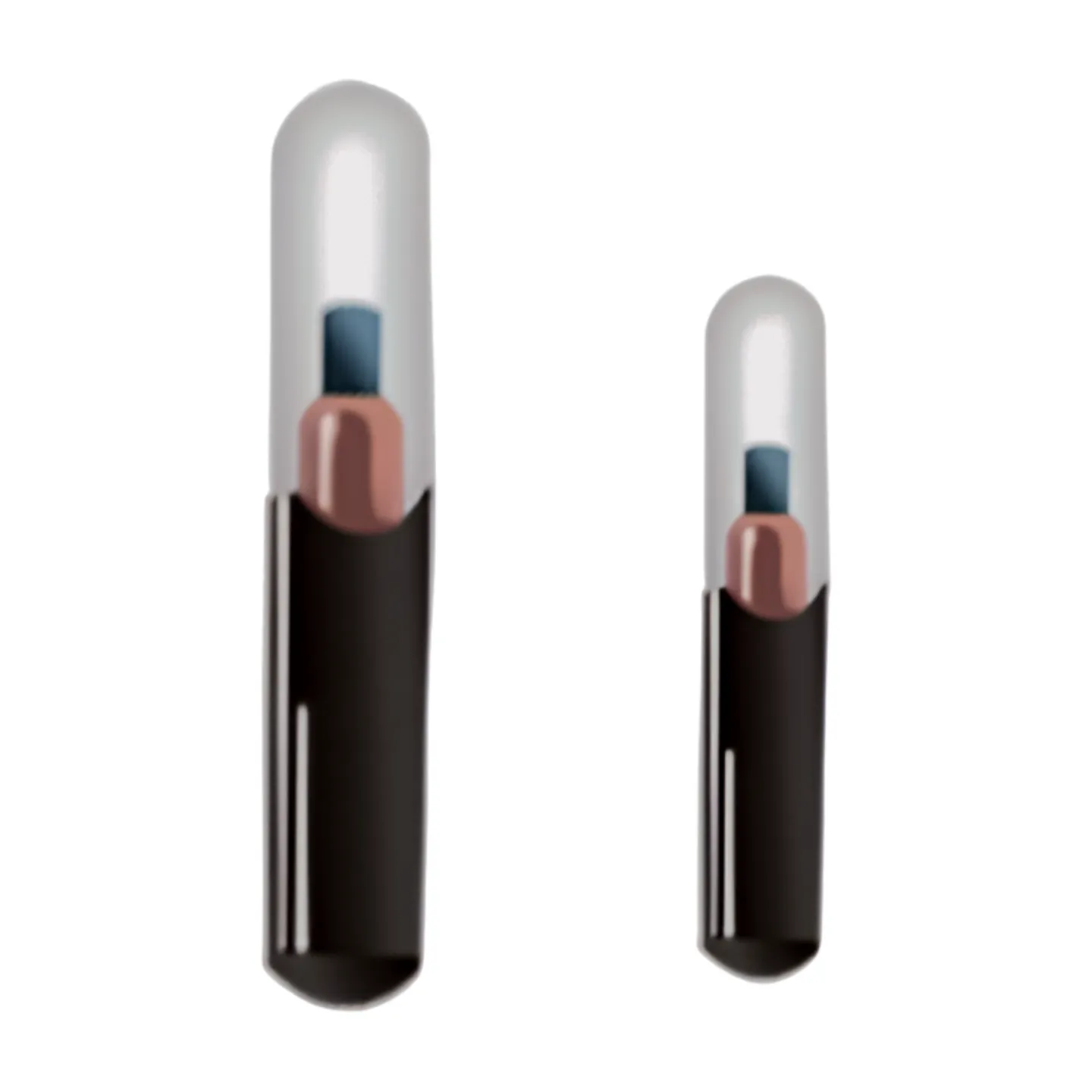
134.2 kHz animal microchips are low frequency (LF) RFID devices implanted under animal skin to store unique identification data. The passive chip is powered by RFID scanner signals, which read the stored ID without requiring an internal power source for the chip itself. Compatible chip models include EM4305, EM4100 and standard ID-type chips for flexible use cases.
Why 134.2 kHz is the Gold Standard for Animal ID
The 134.2 kHz frequency delivers consistent read performance through animal tissue, avoids interference from common environmental materials, and is the globally accepted standard for official animal identification programs, unlike lower frequency alternatives with limited regional compatibility.
Core Technical Specifications of 134.2 kHz Microchips
Chip Models & Protocol Compatibility
All chips support three core RFID protocols: FDX-A, FDX-B and HDX, with compatibility for EM4305, EM4100 and ID-type chip variants to align with existing scanner infrastructure.
Material & Biocompatibility
Each microchip is encased in medical grade bioglass, a non-toxic, tissue-friendly material that eliminates risk of rejection or migration after implantation.
Size Options by Protocol
Size options are tailored to protocol and animal size: FDX-A chips range from 1.4x8mm to 4x34mm, while HDX chips range from 2x12mm to 4x34mm to suit small companion animals and large livestock alike.
Lifespan & Reliability
All microchips have a rated lifespan of 10+ years, delivering permanent identification for the full lifetime of most animal species with no maintenance required.
Technical Specifications Comparison Table
| Protocol | Size Range | Primary Use Case | Compatible Chip Models |
|---|---|---|---|
| FDX-A | 1.4x8mm to 4x34mm | Regional niche identification programs | EM4100, ID-type |
| FDX-B | 1.4x8mm to 3x12mm | Global pet and companion animal ID | EM4305, EM4100, ID-type |
| HDX | 2x12mm to 4x34mm | Livestock and large animal herd management | EM4305, ID-type |
Key Protocols Explained: FDX-A, FDX-B, and HDX
FDX-A: Regional Use Cases & Sizes
FDX-A is a legacy protocol used in select regional animal identification programs, with small size options suitable for very small companion animals and laboratory species.
FDX-B: Global Pet Identification Standard
FDX-B is the most widely adopted protocol globally, required for official pet passports and cross-border travel for companion animals in most countries.
HDX: Livestock & Large Animal Applications
HDX offers longer read ranges and higher resistance to environmental interference, making it the preferred choice for livestock herd management, large animal identification and high-volume farm scanning operations.
Implantation & Post-Care for 134.2 kHz Microchips
Syringe Injectable Process
All microchips come preloaded in a sterile single-use syringe for fast, minimally invasive implantation. The procedure takes less than 10 seconds to complete, with no sutures required for most animal species.
Best Practices for Implantation
Implantation should be performed by a trained professional at the standard site for each species: between the shoulder blades for companion animals, in the ear or neck for livestock, and in the flank area for wildlife species. Always use sterile equipment to avoid infection risk.
Post-Implantation Care Tips
Keep the implantation site clean and dry for 24 hours after the procedure. Avoid rough handling of the animal for 3 to 5 days to prevent microchip migration. Always scan the chip immediately after implantation to confirm proper functionality and record the unique ID.
Certifications & Regulatory Compliance
ICAR Certification: Global Recognition for Animal ID
All microchips carry ICAR certification, the global benchmark for animal identification device quality, ensuring compatibility with all official ICAR-registered scanning systems worldwide.
ISO 11784/11785: International Standards for RFID Animal Microchips
All products fully comply with ISO 11784 (data structure for animal ID) and ISO 11785 (technical performance for RFID animal chips) standards, meeting regulatory requirements for official animal identification programs in all countries that follow international animal welfare guidelines.
Applications Across Animal Sectors
Companion Pets (Dogs, Cats, Small Animals)
Small FDX-B microchips are used for permanent pet identification, enabling lost pet recovery, proof of ownership, and compliance with pet travel regulations.
Livestock & Farm Animals
HDX and FDX-B microchips support livestock herd management, disease traceability, breeding program tracking, and compliance with national livestock registration requirements.
Wildlife Conservation & Shelter Animals
Durable microchips are used to track wildlife populations for conservation research, and to identify shelter animals for adoption tracking, spay/neuter program records, and reunification with owners.
How to Choose the Right 134.2 kHz Microchip
Matching Protocol to Animal Type
Select FDX-B for companion animals, HDX for livestock and large animals, and FDX-A only if required by local regional identification rules.
Prioritizing Certifications for Compliance
Always choose ICAR certified, ISO 11784/11785 compliant chips to ensure compatibility with scanning infrastructure and meet regulatory requirements for official identification.
Selecting the Correct Size
Choose the smallest size that is compatible with your selected protocol and scanner read range requirements to minimize implantation discomfort for the animal.
Where to Buy Reliable 134.2 kHz Animal Microchips
Key Factors to Look for in a Supplier
Select suppliers with a proven track record of supplying animal identification products to veterinary, farm and regulatory customers. Confirm that all products are shipped in sterile, individually packaged syringes with full batch traceability.
Verifying ICAR & ISO Compliance
Always request copies of valid ICAR certification and ISO compliance test reports for any microchip purchase to confirm product authenticity and regulatory eligibility for use in your region.
Frequently Asked Questions
How long does a 134.2 kHz microchip last?
All chips have a rated lifespan of 10+ years, providing permanent identification for the full lifetime of most animal species with no maintenance required.
Is implanting a 134.2 kHz microchip painful for animals?
The implantation process is similar to a standard injection, causing minimal short-term discomfort, with no ongoing pain after the procedure is complete.
What is the difference between FDX-B and HDX protocols?
FDX-B is the global standard for pet identification with wide scanner compatibility, while HDX offers longer read ranges for high-volume livestock scanning operations.
Are 134.2 kHz microchips compatible with all RFID scanners?
All chips are compatible with scanners that support 134.2 kHz LF RFID and the relevant protocol (FDX-A, FDX-B or HDX) per regional scanning standards.
What is the difference between 134.2 kHz and 125 kHz microchips?
134.2 kHz microchips offer global regulatory compliance, better read performance through animal tissue, and wider compatibility with international scanning infrastructure compared to 125 kHz chips which are limited to select regional use cases.