
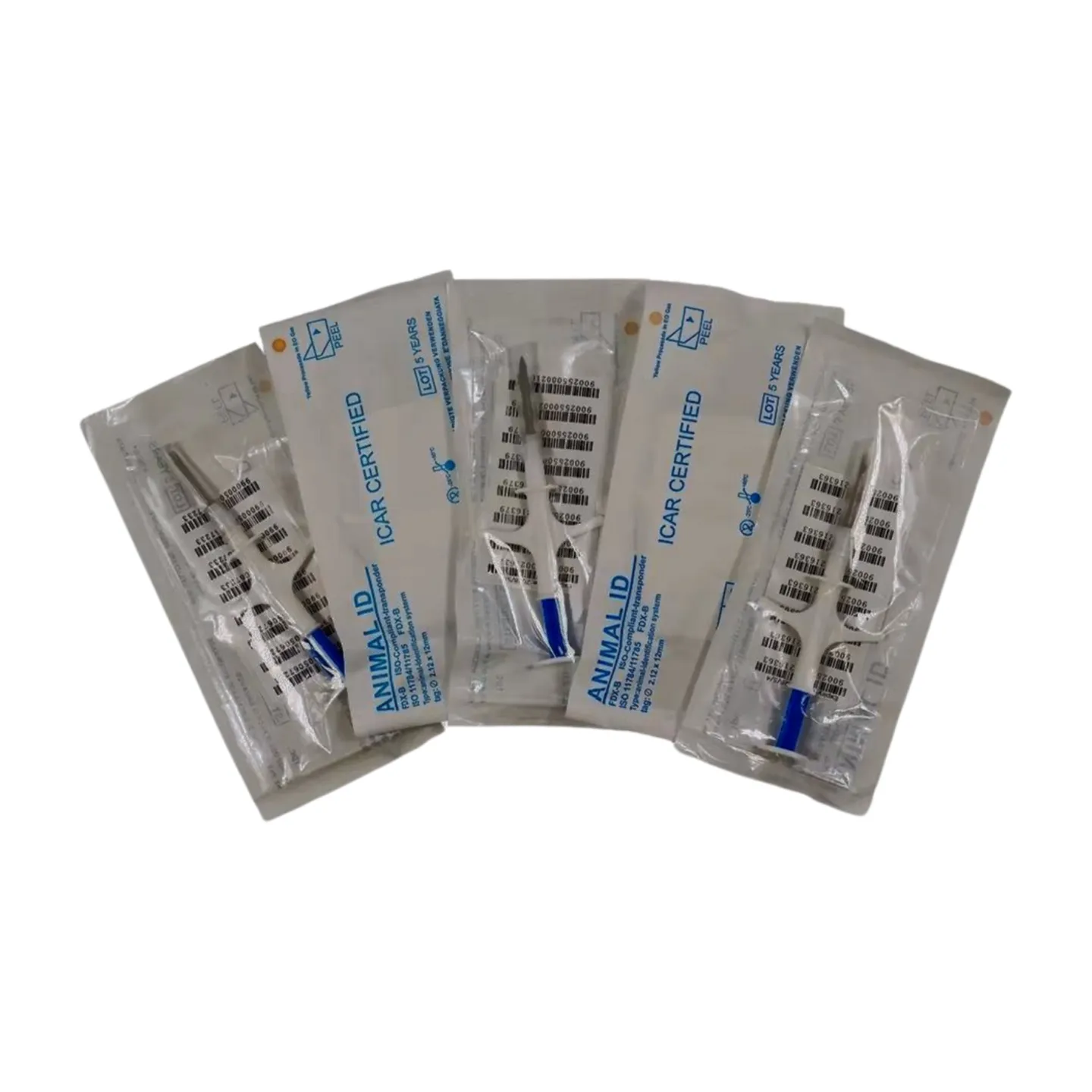
Cat Microchips: Permanent RFID Identification for Felines – Complete Guide
What Is a Cat Microchip?
A cat microchip is a tiny passive RFID implant designed to provide permanent, tamper-proof identification for domestic and wild felines. The device requires no internal power source, and is activated only when scanned by a compatible RFID reader, which pulls a unique pre-programmed identification number linked to the cat’s owner and registration records. Core use cases include lost pet recovery, national pet registration, and compliance with international animal welfare and travel standards.
Core Technical Specifications of Cat Microchips
Frequency & Protocol Details
All standard cat microchips operate at a 134.2 kHz frequency, the global benchmark for animal identification. The product supports three industry-standard protocols: FDX-B, FDX-A, and HDX. FDX-B is the most widely adopted protocol for feline identification, with near-universal compatibility with scanners used by veterinary clinics, animal shelters, and border control agencies worldwide.
Compatible Chip Models
The cat microchip line supports four core chip models to accommodate varied use cases: EM4305, EM4100, ID, and UHF. EM4305 chips support writable identification fields for flexible registration updates, while EM4100 and ID chips are pre-programmed for low-cost, high-volume deployment for shelters and veterinary clinics. UHF variants are available for long-range scanning use cases.
Material & Size Options
All cat microchips are encased in medical-grade bioglass, a biocompatible material that eliminates risk of tissue rejection or adverse reaction post implantation. Size options vary by protocol: FDX-A chips range from 1.4x8mm for kittens to 4x34mm for large feline breeds, while HDX chips range from 2x12mm to 4x34mm for specialized use cases.
Lifespan & Durability
Each cat microchip has a rated lifespan of 10 or more years, with no maintenance required post implantation. The sealed bioglass casing is tamper-proof, and cannot be removed without surgical intervention, ensuring permanent identification for the full duration of a typical domestic cat’s lifespan.
| Specification | Details |
|---|---|
| Operating Frequency | 134.2 kHz |
| Supported Protocols | FDX-B, FDX-A, HDX |
| Compatible Chip Models | EM4305, EM4100, ID, UHF |
| Casing Material | Medical-grade bioglass |
| Implantation Method | Syringe injectable |
| Rated Lifespan | 10+ years |
| Certifications | ISO 11784/11785, ICAR |
Key Benefits of Implanting a Cat Microchip
Cat microchips provide a more reliable identification solution than collars or tags, which can be lost or removed. The permanent, tamper-proof design ensures cats can be identified even if they are found far from their home location. ICAR and ISO certified variants support international pet travel, meeting entry requirements for all major countries that mandate pet identification. The minimally invasive implantation process has a near-zero risk of complications, and the device requires no ongoing maintenance for its full lifespan. Microchipped cats are significantly more likely to be reunited with their owners if lost, compared to cats without permanent identification.
Cat Microchip Implantation Process
How It’s Administered
Cat microchips are administered via a pre-loaded sterile syringe, injected under the skin in the loose tissue between the cat’s shoulder blades. The procedure takes less than 10 seconds to complete, and is comparable in discomfort to a standard vaccination injection.
Post-Implantation Care
Mild, temporary swelling at the implantation site is rare and typically resolves within 48 hours without intervention. No special activity restrictions are required post implantation, and the chip will remain securely in place once the surrounding tissue heals.
Who Should Perform Implantation
Cat microchip implantation should only be performed by a licensed veterinarian or trained animal care professional to ensure correct placement and minimize risk of complications.
Certified & Compliant Cat Microchips: ISO & ICAR Standards
All premium cat microchips adhere to ISO 11784 and ISO 11785 global animal identification standards, which define operational frequency, data structure, and scanner compatibility for universal use. ICAR certification provides third-party validation of performance and compatibility, ensuring chips can be read by all standard scanners worldwide. Compliant chips are required for cross-border pet travel to most countries, as well as for official national pet registration programs in many regions.
How to Choose the Right Cat Microchip
For Pet Owners
Pet owners should prioritize ICAR and ISO certified cat microchips to ensure compatibility with local scanners and eligibility for international travel. Confirm the selected chip size is appropriate for the cat’s age and weight, with smaller variants recommended for kittens under 6 months old.
For Veterinarians & Bulk Buyers
Veterinary clinics, animal shelters, and registration authorities should select cat microchips with multi-protocol support to accommodate scanning requirements across different regions. Bulk purchasers should consider offerings with varied size options and chip model variants to meet the needs of different feline breeds and use cases. Pre-sterilized, pre-loaded syringe packages reduce operational workload and minimize infection risk for high-volume implantation programs.
FAQs About Cat Microchips
Is microchipping painful for cats? Microchipping causes minimal, temporary discomfort comparable to a standard vaccine injection, and no anesthesia is required for the procedure.
Can cat microchips track my cat’s location? Cat microchips are passive RFID identification devices, and do not include GPS tracking functionality. They only transmit a unique identification number when scanned by a compatible reader.
Do I need to register my cat’s microchip? Yes, the unique identification number on the microchip must be registered to the owner’s contact information in a national or regional pet registry to facilitate lost pet recovery.
How long does a cat microchip last? Cat microchips have a rated lifespan of 10 or more years, and typically function for the full lifetime of a domestic cat with no maintenance required.