
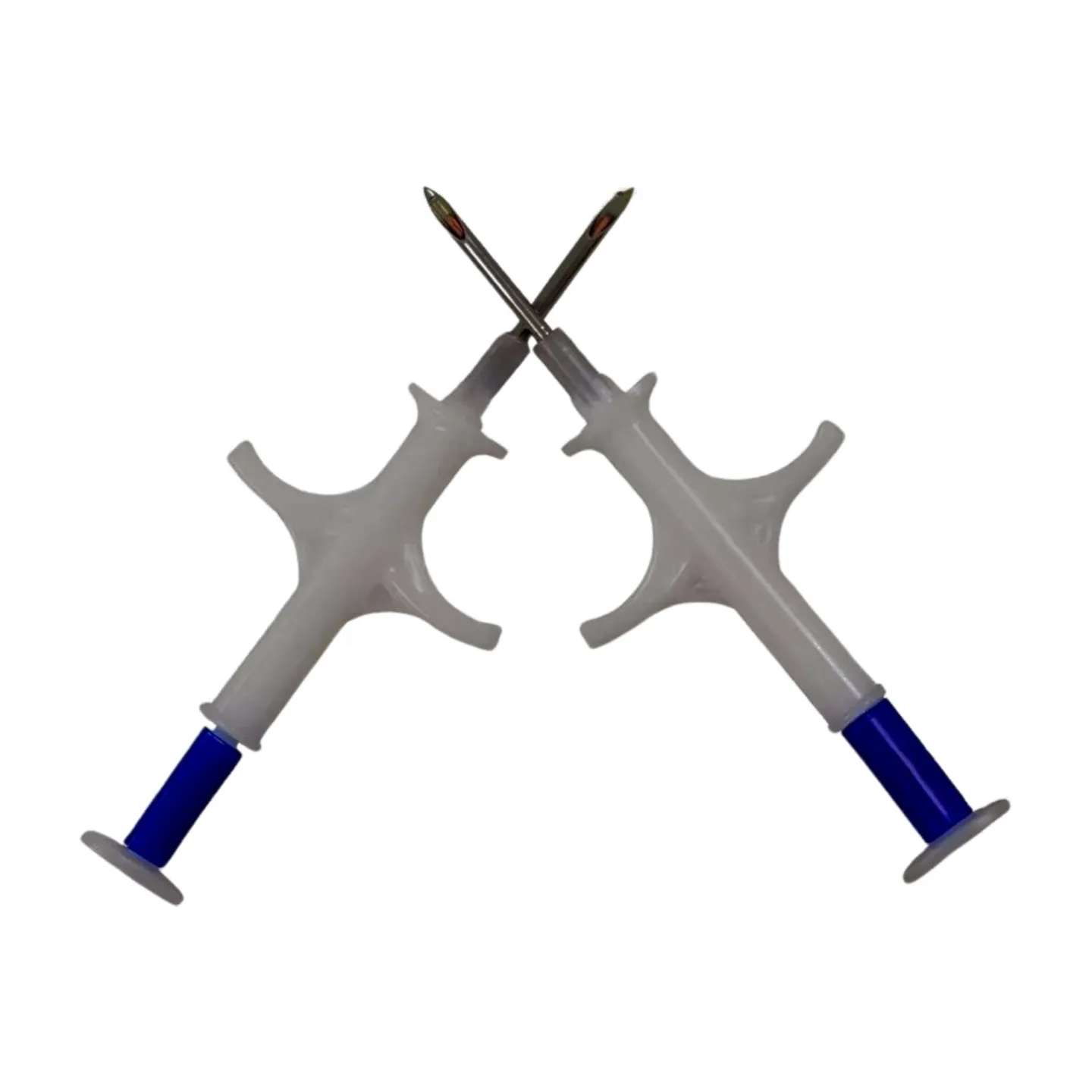
Dog Microchips: The Ultimate Guide to Permanent Canine Identification
What Is a Dog Microchip & How Does It Work?
Core RFID Technology Behind Dog Microchips
These dog microchips use passive RFID technology operating at 134.2 kHz, supporting FDX-B, FDX-A, and HDX protocols. They are compatible with common chip models including EM4305, EM4100, ID, and UHF, eliminating the need for internal batteries as they draw power from RFID scanners during reading.
How Dog Microchips Deliver Permanent, Tamper-Proof ID
Unlike collars and ID tags that can fall off, be removed, or become unreadable, dog microchips are implanted under the dog’s skin, storing a unique, unalterable identification number linked to the owner’s contact information. The ID remains accessible for the entire lifespan of the device, with no risk of tampering or loss.
Key Specifications of High-Quality Dog Microchips
Frequency & Protocol Standards
The 134.2 kHz operating frequency is the global standard for pet identification, aligned with ISO 11784/11785 requirements. FDX-B is the most widely adopted protocol for global compatibility, while FDX-A and HDX protocols are available for regional or specific use cases. All variants work with standard RFID scanners used by animal shelters, veterinary practices, and registration authorities worldwide.
Material & Size Options for Different Dog Breeds
All microchips are encased in medical grade bioglass, a biocompatible material that prevents rejection and reduces migration risk after implantation. Size options vary by protocol: FDX-A chips range from 1.4x8mm to 4x34mm, FDX-B chips range from 1.25x7mm to 4x34mm, and HDX chips range from 2x12mm to 4x34mm, suitable for toy, small, medium, and large dog breeds respectively.
Lifespan & Long-Term Reliability
The passive RFID design requires no battery replacement, with an operational lifespan of 10+ years. The sealed bioglass casing is resistant to corrosion, wear, and damage from bodily fluids, ensuring consistent performance for the entire lifetime of most dogs.
Benefits of Implanting a Dog Microchip
Permanent ID for Lost Pet Recovery
Microchipped dogs have significantly higher reunification rates when lost, as all animal shelters and veterinary facilities scan incoming stray dogs for microchip IDs. The unique ID links directly to the owner’s registered contact information, enabling fast, accurate owner verification.
Global Compliance with ICAR & ISO Standards
ICAR certification ensures the microchip is recognized by international pet registration bodies, while ISO 11784/11785 compliance guarantees cross-border scanner compatibility, making the microchip suitable for international travel with dogs and compliance with global pet identification regulations.
Safe, Painless Syringe Implantation
All microchips are delivered in pre-sterilized syringes for fast, minimally invasive implantation performed by licensed veterinarians. The procedure causes minimal discomfort, comparable to a routine vaccination, with no required recovery period for most dogs.
How to Choose the Right Dog Microchip
Prioritize ICAR & ISO Certification
Non-certified microchips may not be recognized by standard scanners or global registration databases, so always select products with valid ICAR and ISO 11784/11785 certifications to ensure maximum utility and compatibility.
Selecting the Correct Protocol
FDX-B protocol is recommended for most use cases due to its global adoption, while FDX-A or HDX protocols may be selected to align with regional regulatory requirements or existing scanner infrastructure.
Matching Size to Your Dog’s Breed
Smaller microchip sizes (1.25x7mm to 1.4x8mm) are suitable for toy and small dog breeds, while medium sizes (2x12mm) work for medium breeds, and larger sizes (4x34mm) are designed for large or working dog breeds to ensure stability after implantation.
Who Should Use Dog Microchips?
Pet Owners
Pet owners use dog microchips to protect their pets from permanent loss, verify ownership in case of theft, and comply with local pet registration regulations that mandate permanent identification for dogs.
Veterinarians
Veterinary practices use these certified microchips to offer implantation services to clients, with pre-loaded syringes reducing procedure time and ensuring compliance with medical safety standards.
Animal Shelters and Rescue Organizations
Shelters and rescue groups use microchips to identify incoming stray dogs, reunite lost pets with their owners, and implant permanent ID in adopted dogs to ensure long-term traceability.
Technical Specifications
| Specification | Details |
|---|---|
| Operating Frequency | 134.2 kHz |
| Supported Protocols | FDX-B, FDX-A, HDX |
| Standards Compliance | ISO 11784/11785, ICAR Certified |
| Material | Medical Grade Bioglass |
| Size Range | 1.25x7mm to 4x34mm (varies by protocol) |
| Lifespan | 10+ Years |
| Implantation Method | Syringe Injectable |
| Compatible Chip Models | EM4305, EM4100, ID, UHF |
Frequently Asked Questions
Is microchipping painful for dogs?
Microchip implantation causes minimal discomfort, similar to a standard vaccination, and is performed quickly by licensed veterinarians with no required sedation for most dogs.
Can dog microchips migrate under the skin?
The medical grade bioglass casing is designed to adhere to surrounding tissue, minimizing migration risk. Migration occurs in less than 1% of cases and does not affect the readability of the chip.
How do I update my contact information linked to the microchip?
Contact the ICAR-recognized pet registration database associated with your microchip ID to update contact information at any time, free of charge in most cases.
Are all dog microchips compatible with universal scanners?
ICAR and ISO 11784/11785 certified microchips are compatible with all standard universal pet microchip scanners used by shelters, veterinary practices, and border control agencies worldwide.