
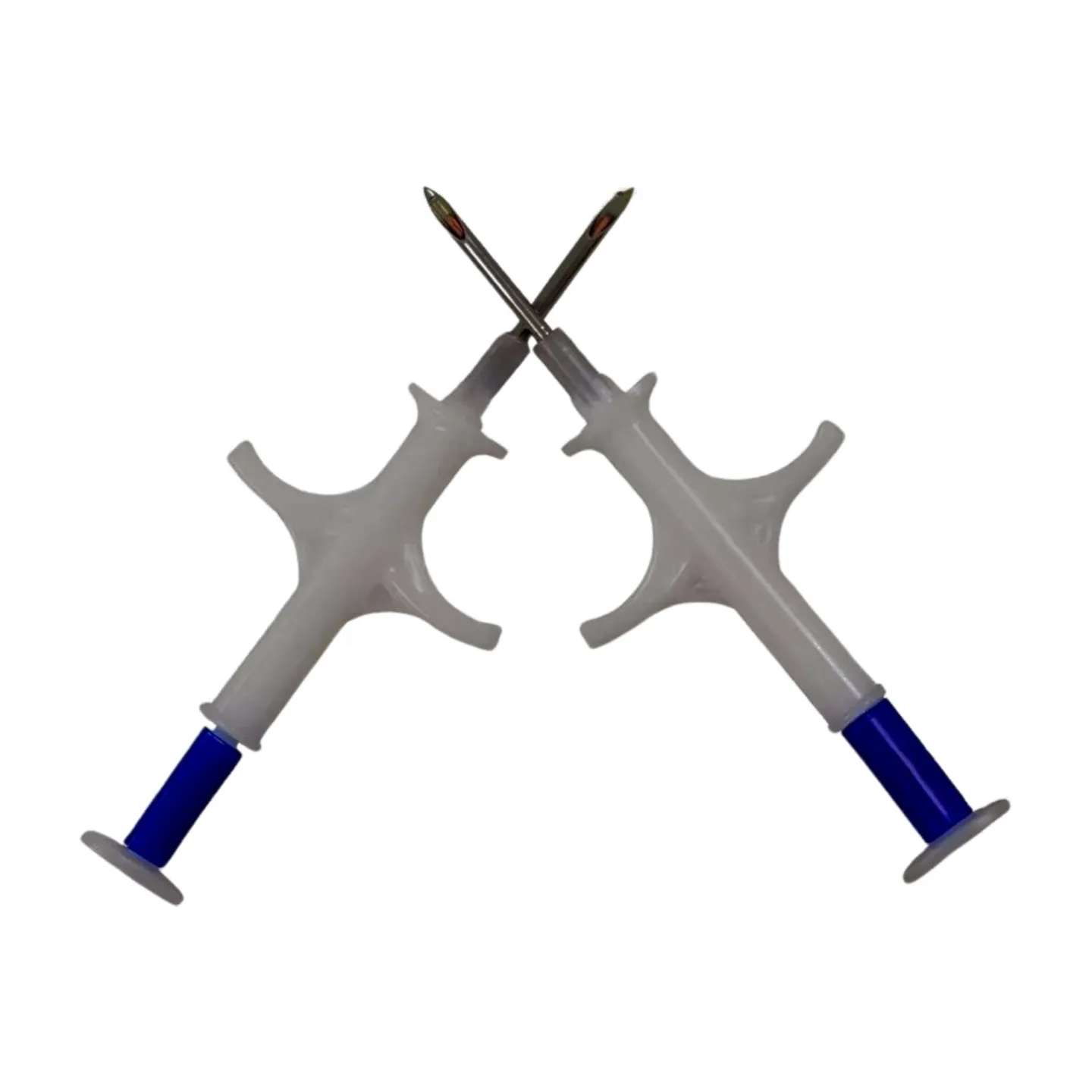
Dog Microchips: Permanent, Certified Identification for Your Canine Companion
What Are Dog Microchips & Why Are They Essential?
The Core Purpose of Dog Microchips
Dog microchips are small RFID implants designed to store a unique, unalterable identification number linked to a dog’s owner and medical records. The devices provide a permanent, tamper-proof form of identification that cannot be lost, removed, or damaged like collars and tags.
Real-World Benefits
Microchips drastically increase the rate of lost dog recovery by providing a verifiable link between a found dog and its owner. They also support official pet registration, simplify veterinary record management, and meet regulatory requirements for domestic and international pet travel.
Technical Specifications of Dog Microchips
Frequency & Protocol Compatibility
All dog microchips operate at a standard 134.2 kHz frequency, with support for FDX-B, FDX-A, and HDX protocols to ensure compatibility with nearly all public and private pet scanners worldwide.
Chip Models & Biocompatible Materials
Available chip models include EM4305, EM4100, ID, and UHF variants to suit different use cases. All chips are encased in medical grade bioglass, a non-reactive material that minimizes risk of tissue irritation or rejection after implantation.
Size Options for Different Dog Breeds & Ages
Size variants are customized by protocol: FDX-A models range from 1.4x8mm to 4x34mm, FDX-B models range from 1.25x7mm to 4x34mm, and HDX models range from 2x12mm to 4x34mm. Smaller sizes are recommended for puppies and toy breeds, while larger sizes are suited for adult large breed dogs.
| Protocol | Size Range | Compatible Chip Models |
|---|---|---|
| FDX-A | 1.4x8mm to 4x34mm | EM4100, ID |
| FDX-B | 1.25x7mm to 4x34mm | EM4305, EM4100, ID, UHF |
| HDX | 2x12mm to 4x34mm | EM4305, UHF |
Key Advantages of Certified Dog Microchips
The certified dog microchips offer multiple benefits over alternative identification solutions: they provide a permanent, unalterable identification number that remains functional for the lifetime of most dogs, feature biocompatible construction for safe long-term implantation, meet global ICAR and ISO standards for cross-border use, are administered via non-invasive syringe injection, and deliver a minimum operational lifespan of 10 years.
Implantation & Post-Care Guide for Dog Microchips
Syringe Implantation Process
Microchips are pre-loaded in sterile, single-use syringes for administration by licensed veterinarians. The implantation process takes less than 10 seconds, involves injection between the shoulder blades under the skin, and causes minimal discomfort comparable to a standard vaccination.
Safe Post-Implantation Care Tips
After implantation, avoid touching the injection site for 24 hours, and restrict strenuous activity for 3 to 5 days to allow the chip to settle in place. Monitor the site for redness or swelling, and contact a veterinarian if any adverse reactions persist for more than 48 hours.
How to Scan & Access Your Dog’s ID Number
To retrieve the unique identification number, a compatible scanner is waved over the implantation site to pick up the 134.2 kHz signal from the chip. The ID number can then be cross-referenced with national or international pet registration databases to access owner contact and medical record information.
Certifications & Global Compliance Standards
ICAR Certification: What It Means for Your Pet
ICAR certification ensures the microchip meets global standards for unique identification number allocation, data integrity, and scanner compatibility. ICAR-certified chips are recognized by all major pet registration bodies worldwide.
ISO 11784/11785: Ensuring International Compatibility
Compliance with ISO 11784 and 11785 standards guarantees the microchip is compatible with scanners used in nearly all countries, making it suitable for international pet travel. These standards are a mandatory requirement for entry into most countries with pet import regulations.
How to Choose the Right Dog Microchip for Your Pet
Selecting the appropriate microchip depends on four key factors: the age and size of your dog, with smaller sizes recommended for puppies and toy breeds; compatibility with scanners used in your region or intended travel destinations; required certifications for local registration or international travel; and intended use case, such as shelter management, breeding program tracking, or personal pet identification.
Frequently Asked Questions About Dog Microchips
Are dog microchips safe? Yes, all chips are encased in medical grade bioglass and have been tested for long-term safety, with extremely low rates of adverse reactions reported.
Can microchips migrate from the implantation site? Microchip migration is rare, occurring in less than 1% of cases, and does not impact the functionality of the device or the ability to scan it.
Do microchips store medical information? Microchips store a unique identification number that links to external databases where owner contact and medical information can be stored and updated as needed.
How long do dog microchips last? All microchips have an operational lifespan of 10 or more years, with no battery required for operation.
Do microchips work with all scanners? 134.2 kHz microchips supporting FDX-B, FDX-A, and HDX protocols are compatible with over 99% of pet scanners in use globally.