
Product Overview
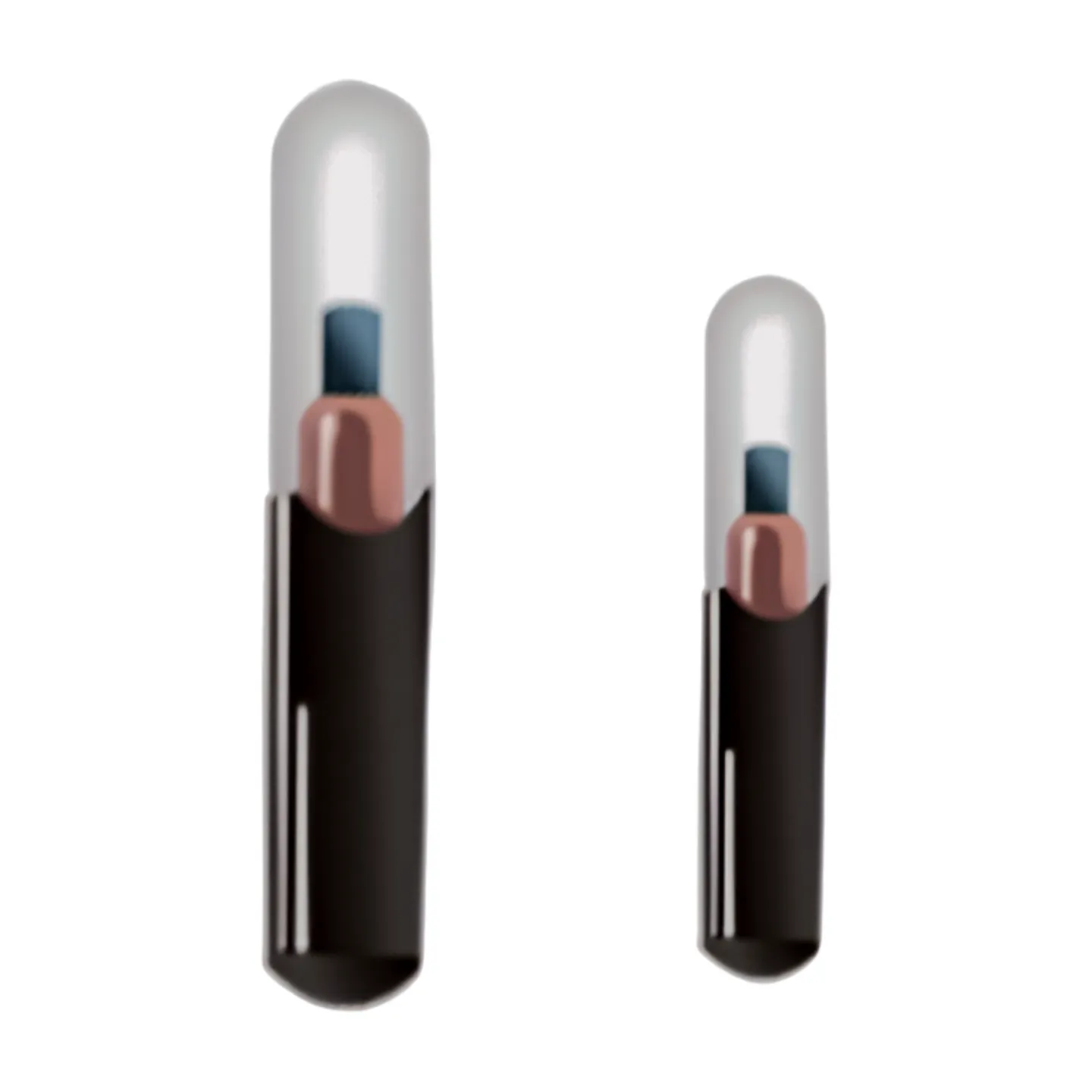
The Implantable Animal Microchip is a permanent, tamper-proof identification device based on RFID technology. Encapsulated in biocompatible glass, this tiny transponder is injected subcutaneously, typically between an animal’s shoulder blades, where it remains for life. Each chip contains a unique, pre-programmed identification number that can be read by a compatible scanner. This number links to the owner’s contact information in a secure database, providing a reliable solution for pet recovery, veterinary care, and comprehensive livestock management.
Key Features and Advantages
This microchip system is engineered for reliability, safety, and global utility in animal identification.
- Lifelong Tamper-Proof ID: Provides a permanent form of identification that cannot be lost, removed, or altered like traditional collars or tags.
- Global ISO Standard: Complies with ISO 11784/11785 FDX-B standards, ensuring recognition by scanners worldwide for international travel and identification.
- Biocompatible and Safe: Housed in a bio-inert, anti-migration glass capsule that is well-tolerated by animal tissue and gamma-ray sterilized.
- Unique and Secure Identity: Each chip is factory-programmed with a singular, unchangeable 15-digit code that serves as the animal’s definitive digital identity.
- Quick Implantation Procedure: The implantation process is fast, minimally invasive, and similar to a standard vaccination, performed by a veterinarian or trained professional.
How the Implantable Microchip System Works
The system operates on passive RFID principles. The microchip itself is inert and has no battery. When a compatible RFID scanner emitting a low-frequency radio wave (134.2 kHz) is passed near the implant, the chip’s antenna captures this energy. This powers the chip momentarily, enabling it to transmit its unique ID number back to the scanner. The displayed number is then used to query a pet recovery database, retrieving the owner’s registered contact details to facilitate a reunion or access medical records.
Primary Applications and Use Cases
This technology serves a wide range of applications across the animal care and management industries.
- Pet Identification and Recovery: The foremost use for dogs, cats, and other companion animals, dramatically increasing the chance of a lost pet being returned home. Often mandated for international pet travel.
- Veterinary Practice Management: Streamlines patient identification, ensures accuracy during medical procedures, and simplifies the management of vaccination histories and clinical records.
- Livestock Tracking and Traceability: Enables individual animal management in farming for health monitoring, breeding programs, and ensuring food safety compliance from farm to table.
- Shelter and Rescue Operations: Critical for processing stray animals, managing intakes and adoptions, and maintaining permanent records to prevent animal mix-ups.
- Equestrian Identification: Provides permanent proof of ownership and a linked medical history for horses, valuable for competitions, sales, and insurance.
Detailed Technical Specifications
| Frequency | 134.2 kHz (Low Frequency – LF) |
| Communication Standard | ISO 11784 / 11785 FDX-B |
| Chip Dimensions | Approximately 1.4mm x 8mm |
| Encapsulation Material | Biocompatible soda-lime glass |
| Read Range | Typically 10-15 cm (4-6 inches) |
| Data Content | Unique 15-digit number (Country, Manufacturer, ID) |
| Operating Lifespan | 25+ years |
| Sterilization | Gamma-ray sterilized, single-use pre-loaded syringe |
Benefits for Different User Groups
The value of implantable microchips extends to all stakeholders in animal care.
- Pet Owners: Gain permanent peace of mind with the most reliable method for pet recovery, representing a one-time investment for lifelong protection.
- Veterinarians: Enhance clinic efficiency, prevent patient misidentification, and offer a critical, value-added service that meets standard care protocols.
- Animal Shelters: Increase return-to-owner rates for stray animals and improve operational accuracy in managing animal flow and records.
- Livestock Producers: Enable precision management of herd health, breeding, and production data while meeting regulatory requirements for animal traceability.
Industry Implementation Scenarios
Microchips are integrated into standard operating procedures across various sectors.
- Veterinary Clinic Workflow: The chip is scanned at every clinic visit to instantly and accurately retrieve the animal’s complete medical history, ensuring proper care.
- Shelter Intake Protocol: Scanning for a microchip is the first step for any incoming stray, allowing for immediate owner notification and often preventing unnecessary shelter admission.
- Dairy Farm Management: Each microchipped cow is linked to a digital profile containing milk production data, health treatments, and calving history for informed herd management.
- International Pet Travel: ISO-compliant microchips are a mandatory component of pet passports, serving as the definitive proof of identity for health documentation and border control.