
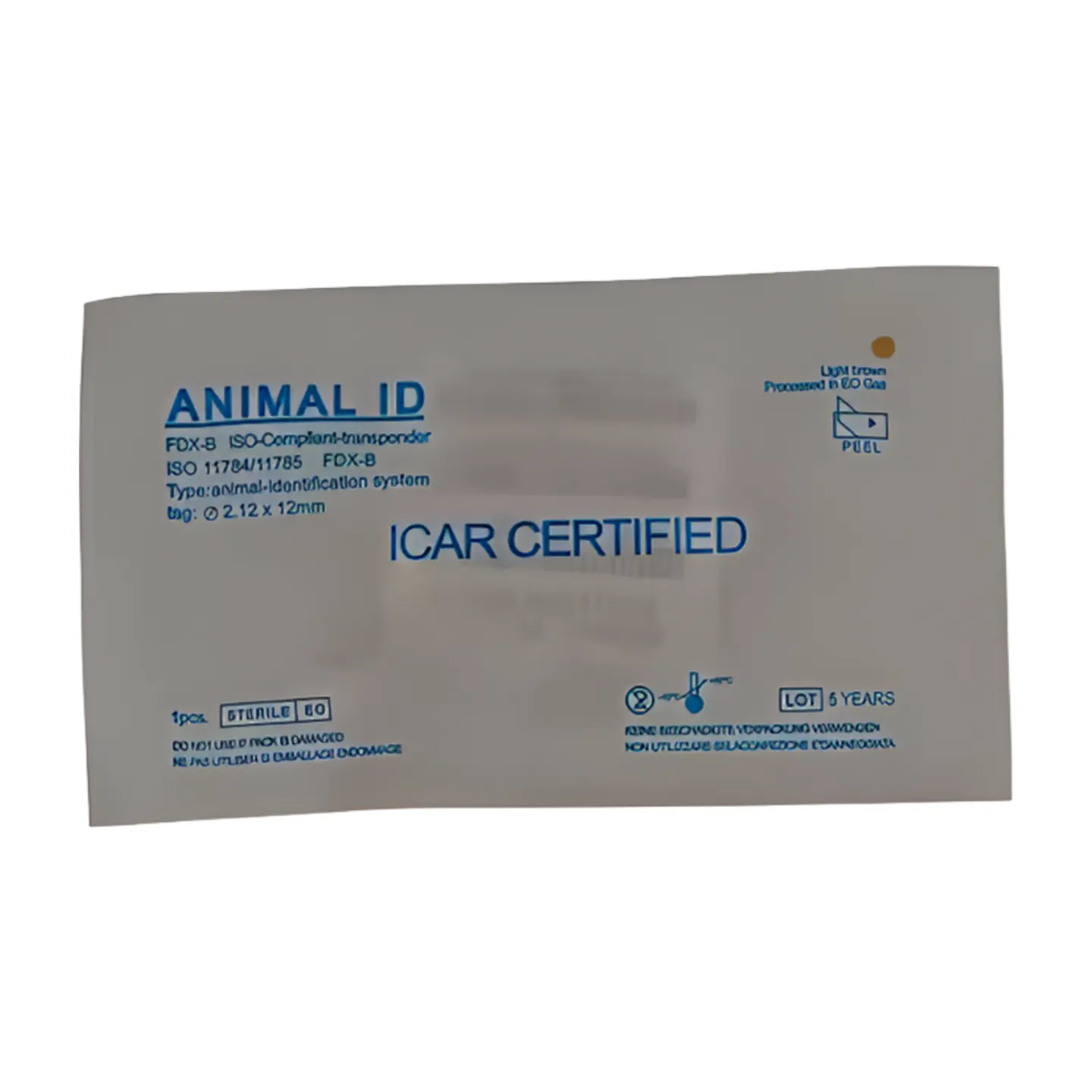
ISO 11784/5 Compliant Microchips: The Definitive Guide for Animal Identification
Introduction to ISO 11784/5 Compliant Animal Microchips
Permanent animal identification is a critical requirement for pet travel, livestock regulatory compliance, lost animal recovery, and species monitoring. ISO 11784/5 is the globally accepted standard for animal RFID microchips, ensuring universal scanner compatibility and cross-border recognition across all major regions. These implantable, syringe-injectable microchips cater to the needs of veterinarians, pet owners, livestock managers, animal shelters, zoo operators, and regulatory bodies worldwide.
What Makes a Microchip ISO 11784/5 Compliant?
ISO 11784 defines the standardized data structure stored on the microchip, including unique animal identification numbers and manufacturer codes. ISO 11785 outlines the communication protocol between the microchip and RFID scanners. Compliance with these two standards ensures that any microchip can be read by any ISO-compliant scanner anywhere in the world, eliminating compatibility gaps for cross-border travel or inter-regional livestock traceability programs.
Technical Specifications of ISO 11784/5 Microchips
Frequency & Protocol Options
All compliant microchips operate at a low frequency of 134.2 kHz, supporting three core protocol options to suit different use cases. FDX-A is suited for small to medium companion animals, FDX-B is the most widely adopted protocol for pet identification and global travel, and HDX is optimized for large livestock and high-volume scanning operations.
Chip Models & Materials
Available chip models include EM4305, EM4100, ID, and UHF variants to support different functionality requirements. All microchip enclosures are manufactured from medical grade bioglass, a biocompatible material that resists migration in tissue and supports safe long-term implantation.
Size Variants by Animal Type
Microchip sizes are tailored to animal size and protocol requirements. FDX-A variants range from 1.4x8mm for small pets up to 4x34mm for large livestock. HDX variants range from 2x12mm for young livestock up to 4x34mm for mature large breed animals.
Lifespan & Reliability
All ISO 11784/5 compliant microchips have a minimum operational lifespan of 10 years, with most units delivering consistent performance for the full lifetime of most companion and livestock animals. No battery is required, as the microchip is powered by the scanner’s RFID signal during reading.
Key Benefits of ISO 11784/5 Compliant Microchips
- Global cross-border recognition for unimpeded pet travel and inter-regional livestock traceability
- ICAR certification validates adherence to the highest international animal identification standards
- Multiple protocol options support use across all animal types from small companion pets to large livestock
- Medical grade bioglass construction eliminates risk of adverse tissue reactions or chip migration
- Simple syringe injection allows for fast, low-discomfort implantation by trained veterinary professionals
- 10+ year operational lifespan delivers permanent identification with no need for replacement
Applications of ISO 11784/5 Microchips
Pet Identification & Travel Compliance
ISO compliant microchips are mandatory for pet travel under most regional schemes, including the EU Pet Travel Scheme. The unique identification number stored on the chip links to the pet owner’s contact information, enabling fast reunification if the pet is lost or stolen.
Livestock Traceability & Inventory Management
Livestock operators use these microchips to track individual animals for inventory management, disease control, and regulatory compliance. HDX protocol variants support fast, high-volume scanning for large herd operations.
Shelter & Rescue Animal Reunification
Animal shelters and rescue organizations implant ISO compliant microchips in all adopted animals, ensuring that lost animals can be identified and returned to their owners regardless of location.
Zoo Animal Monitoring
Zoo managers use these microchips to track exotic species for breeding programs, health monitoring, and population management across global zoo networks.
Implantation Process for ISO 11784/5 Microchips
Implantation must be performed by a trained veterinary professional to ensure safety and correct placement. The microchip is preloaded in a sterile single-use syringe, and injected under the loose skin between the animal’s shoulder blades. The procedure causes minimal discomfort, equivalent to a standard vaccination. After implantation, the microchip is scanned to confirm it is functioning correctly, and the unique identification number is registered to the animal’s owner or manager in a compliant database.
Certifications: ISO 11784/5 vs. ICAR
ISO 11784/5 is the global technical standard that defines microchip specifications and communication protocols. ICAR (International Committee for Animal Recording) certification is a third-party validation that a microchip meets or exceeds ISO 11784/5 requirements, ensuring consistent performance and compatibility across all international scanning systems. Both credentials are required for full global recognition of the microchip’s identification data.
How to Choose the Right ISO 11784/5 Compliant Microchip
Selecting the correct microchip depends on four core factors: first, the animal type, which determines the required size and durability of the unit. Second, the protocol requirements of your region or use case, with FDX-B recommended for pets and HDX for large livestock. Third, verification of valid ISO 11784/5 and ICAR certifications to ensure global compatibility. Fourth, confirmation of medical grade bioglass construction to ensure long-term implantation safety.
Where to Buy ISO 11784/5 Compliant Microchips
Bulk purchases for veterinary practices, livestock operations, and animal shelters can be sourced directly from certified manufacturers that provide full documentation of ISO and ICAR compliance. Individual units for pet owners are available through licensed veterinary clinics. Always verify that the supplier provides valid certification documentation for all microchips to avoid counterfeit units that may not be recognized by global scanning systems.
Technical Specifications Comparison Table
| Protocol | Available Chip Models | Size Range | Ideal Animal Type |
|---|---|---|---|
| FDX-A | EM4100, ID | 1.4x8mm to 4x34mm | Small to medium companion animals, small ruminants |
| FDX-B | EM4305, EM4100 | 1.25x7mm to 3x12mm | Companion pets, equine, small livestock |
| HDX | UHF, EM4305 | 2x12mm to 4x34mm | Cattle, large livestock, high-volume herd operations |
Frequently Asked Questions
Is ISO 11784/5 compliance mandatory for pet travel?
Yes, most regional pet travel schemes including the EU Pet Travel Scheme, USDA pet import requirements, and Australian biosecurity rules mandate ISO 11784/5 compliant microchips for entry.
Can ISO 11784/5 microchips be scanned by all readers?
All ISO compliant scanners will read these microchips globally. Non-ISO compliant older scanners may not recognize the chip data, so it is recommended to use only certified scanners for verification.
What is the difference between FDX-B and HDX protocols?
FDX-B is a full-duplex protocol that transmits data continuously when scanned, ideal for low-volume individual animal scanning. HDX is a half-duplex protocol that stores data and transmits it in a single burst, suited for high-volume scanning of large livestock herds.
Regional Regulatory Requirements Overview
In the European Union, ISO 11784/5 compliant microchips are mandatory for all dogs, cats, and ferrets traveling between member states. In the United States, USDA requires ISO compliant microchips for all livestock entering interstate commerce and for most imported animals. In Australia and New Zealand, all imported companion animals and commercial livestock must carry ISO 11784/5 compliant microchips for biosecurity tracking.
Counterfeit Microchip Warning
Counterfeit microchips that falsely claim ISO 11784/5 compliance are widely available through unvetted online sellers. These units may have incompatible data structures, fail to scan correctly, or use non-biocompatible materials that cause adverse health reactions. Always request copies of valid ISO and ICAR certification documentation from your supplier before purchasing, and avoid units sold at prices significantly below average market rates.
Use Case Example
A 500-head cattle operation in the Midwestern United States switched to HDX protocol ISO 11784/5 compliant microchips for herd management. The operation reduced inventory counting time by 75 percent, eliminated duplicate animal records, and achieved full compliance with USDA traceability requirements for interstate livestock sales. In a separate use case, a lost dog implanted with an FDX-B ISO compliant microchip in Canada was reunited with its owner three months after being found in the United States, as the microchip was readable by all scanners across both countries.
Scanner Compatibility Guide
All scanners certified to ISO 11784/5 standards will read all three protocol variants of these microchips. Popular compatible scanner models include the Datamars Max Microchip Scanner, the HomeAgain Universal Worldscan Reader, and the Allflex RS320 Stick Reader. Always confirm that your scanner supports 134.2 kHz frequency and FDX-A, FDX-B, and HDX protocols to ensure full compatibility with all ISO compliant microchips.