September 14, 2026
NTAG 213 Epoxy nfc tag For Dogs
RFID Epoxy Tag Features:
- No battery required
- No subscription required
- No expiration
- Equipped with NFC (RFID 13.56 MHZ)
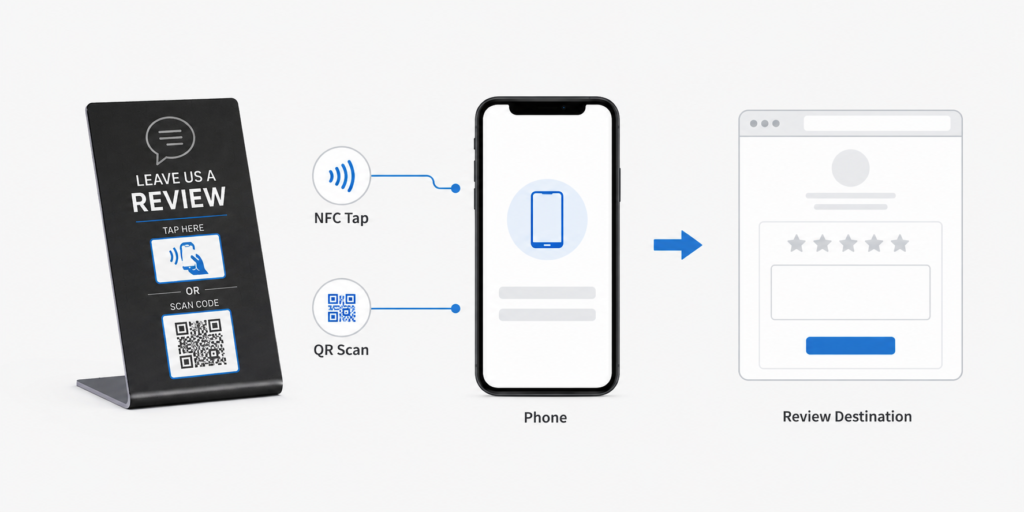
- Equipped with QR Code
- Protection of sensitive data
Available Chips
| LF: 125KHz | HITAG® S256; |
|
HF: 13.56MHz | NTAG® 203, NTAG® 213, NTAG® 215, NTAG® 216; MIFARE Classic® 1K, MIFARE Classic® 4K; MIFARE Plus® 1K, MIFARE Plus® 2K, MIFARE Plus® 4K; MIFARE Ultralight® EV1, MIFARE Ultralight® C; MIFARE® DESFire® 2K, MIFARE® DESFire® 4K, MIFARE® DESFire® 8K; ICODE® SLIX, ICODE® SLIX-S, ICODE® SLIX-L, ICODE® SLIX 2 |
| UHF: 860-960MHz | UCODE® etc |
Remark:
NTAG is a registered trademark of NXP B.V. and is used under license.
ICODE is a registered trademark of NXP B.V. and is used under license.
MIFARE and MIFARE Classic are trademarks of NXP B.V.
MIFARE and MIFARE Ultralight are registered trademarks of NXP B.V. and are used under license.
MIFARE and MIFARE Plus are registered trademarks of NXP B.V. and are used under license.
MIFARE DESFire is a registered trademark of NXP B.V. and is used under license
HITAG is a registered trademark of NXP B.V.
Pet owners today are increasingly adopting smart technologies to improve pet safety, identification, and management. Traditional dog tags have been used for decades, but modern pet owners often seek more advanced solutions that can store digital information, provide instant identification, and withstand harsh outdoor environments.
One of the fastest-growing products in the smart pet industry is the NTAG 213 Epoxy NFC Tag for Dogs. Combining Near Field Communication (NFC) technology with durable epoxy protection, these tags allow pet owners, veterinarians, shelters, and animal rescue organizations to access important pet information instantly using a smartphone.
Unlike traditional engraved dog tags that contain only limited information, NFC dog tags can store dynamic digital profiles, emergency contacts, medical information, vaccination records, and much more.
This guide explains everything you need to know about NTAG 213 epoxy NFC dog tags, including specifications, working principles, applications, advantages, and comparisons with competing pet identification technologies.
What Is an NTAG 213 Epoxy NFC Tag for Dogs?
An NTAG213 Epoxy NFC Tag for Dogs is a waterproof smart pet tag containing an NTAG213 NFC chip embedded inside a durable epoxy-coated housing.
The tag can be attached to:
- Dog collars
- Cat collars
- Pet harnesses
- Pet backpacks
- Animal identification systems
When a compatible smartphone is placed near the tag, the stored information can be accessed instantly without requiring batteries or internet connectivity within the tag itself.
Typical information stored includes:
- Pet name
- Owner contact information
- Veterinary records
- Vaccination history
- Emergency contact numbers
- Lost pet recovery information
- Medical conditions
- Feeding instructions
The result is a smarter and more effective identification system than traditional pet tags.
NTAG 213 NFC Chip Specifications
The NTAG213 chip is one of the most popular NFC chips available today.
Technical Specifications
| Specification | Details |
|---|---|
| Chip Type | NTAG213 |
| Frequency | 13.56 MHz |
| Standard | ISO14443A |
| NFC Forum Type | Type 2 Tag |
| User Memory | 144 Bytes |
| UID | 7-byte Unique Identifier |
| Read Distance | 1-10 cm |
| Data Retention | 10 Years |
| Write Cycles | 100,000+ |
| Security | Password Protection Available |
These specifications make NTAG213 ideal for pet identification applications.
What Is Epoxy NFC Technology?
The epoxy layer is a transparent protective coating applied over the NFC tag.
This coating provides protection against:
- Water
- Mud
- Dirt
- Rain
- Scratches
- UV exposure
- Pet chewing
- Outdoor wear
Because dogs spend significant time outdoors, epoxy-protected tags dramatically improve durability compared with standard PVC NFC tags.
How Does an NTAG 213 Dog NFC Tag Work?
The operation process is extremely simple.
Step 1: NFC-Enabled Smartphone Approaches the Tag
Most modern smartphones include built-in NFC functionality.
Compatible devices include:
- Android phones
- iPhones
- NFC readers
Step 2: Smartphone Generates a Radio Field
The phone emits a 13.56 MHz electromagnetic field.
Step 3: NFC Tag Harvests Energy
The NFC antenna inside the dog tag absorbs energy from the smartphone.
No battery is required.
Step 4: NTAG213 Chip Activates
The chip becomes powered and retrieves stored information.
Step 5: Data Transfer Occurs
The information is transmitted wirelessly to the smartphone.
The process takes less than one second.
Step 6: Pet Information Is Displayed
The smartphone automatically opens:
- A pet profile page
- Contact information
- Emergency instructions
- Medical records
This can be critical if a lost dog is found.
Why Dog Owners Are Choosing NFC Pet Tags
Traditional dog tags have several limitations.
Limited Space
Conventional tags typically display:
- Pet name
- Owner phone number
There is little room for additional information.
Engraving Wear
Over time, engraved information may become difficult to read.
Information Cannot Be Updated
When phone numbers change, a new tag is usually required.
NFC tags solve all of these problems.
Digital Information Storage
Owners can update information whenever necessary.
More Detailed Pet Profiles
Additional information may include:
- Breed
- Weight
- Allergies
- Medications
- Vaccination records
Instant Smartphone Access
No special equipment is required.
Major Applications of NTAG 213 NFC Dog Tags
Lost Dog Recovery
This is the most common application.
When a dog is found:
- The finder taps the tag with a smartphone.
- Owner information appears immediately.
- Contact can be made instantly.
This significantly improves recovery rates.
Veterinary Management
Veterinarians can access:
- Medical history
- Vaccination schedules
- Treatment records
Animal Shelters
Shelters use NFC tags for:
- Intake management
- Adoption records
- Animal identification
Dog Daycare Centers
Facilities can identify pets quickly and efficiently.
Pet Hotels and Boarding Facilities
Staff can verify:
- Feeding schedules
- Medical requirements
- Emergency contacts
Service Dog Identification
Service animals often require additional documentation and identification information.
NFC tags simplify this process.
Advantages of NTAG 213 Epoxy NFC Tags
Waterproof Design
The epoxy coating provides excellent protection against:
- Rain
- Swimming
- Mud
- Outdoor environments
Battery-Free Operation
Unlike GPS trackers, NFC tags require no charging.
Lightweight Construction
The tags are comfortable for dogs of all sizes.
Smartphone Compatibility
Most modern smartphones can read NTAG213 tags directly.
Rewritable Data
Information can be updated as needed.
Affordable Cost
Compared with GPS devices and Bluetooth trackers, NFC tags are highly economical.
NFC Dog Tags vs Traditional Dog Tags
| Feature | NFC Dog Tag | Traditional Tag |
| Digital Information | Yes | No |
| Updatable Data | Yes | No |
| Waterproof | Excellent | Moderate |
| Medical Records | Yes | No |
| Smartphone Access | Yes | No |
| Recovery Information | Extensive | Limited |
Winner
NFC dog tags provide substantially greater functionality.
NFC Dog Tags vs Microchips
Pet microchips are widely used for identification.
Microchip Advantages
- Permanent implantation
- Difficult to remove
- International acceptance
Microchip Limitations
- Requires specialized scanner
- Information not immediately accessible
- Not visible externally
NFC Tag Advantages
- Smartphone readable
- Visible identification
- Instant owner contact
| Feature | NFC Tag | Pet Microchip |
| Smartphone Compatible | Yes | No |
| Visible Identification | Yes | No |
| Implant Required | No | Yes |
| Data Updates | Easy | More Complex |
| Cost | Lower | Higher |
Best Solution
Many pet professionals recommend using both technologies together.
NFC Dog Tags vs QR Code Pet Tags
QR code tags are another popular option.
QR Code Advantages
- Low cost
- Easy deployment
QR Code Limitations
- Requires camera scanning
- Difficult in poor lighting
- Codes can become damaged
NFC Advantages
- Instant tap-and-read operation
- Better durability
- More premium user experience
Winner
NFC tags generally offer superior usability.
NFC Dog Tags vs Bluetooth Pet Trackers
Bluetooth trackers have become increasingly popular.
Examples include:
- Pet tracking devices
- Smart locator tags
Bluetooth Advantages
- Real-time proximity tracking
- Mobile app integration
Bluetooth Limitations
- Battery required
- Higher cost
- Limited battery lifespan
NFC Advantages
- No charging
- No batteries
- Lower cost
- Maintenance-free
Winner
For identification purposes, NFC tags are often more practical.
Customization Options
Manufacturers typically offer:
Full-Color Printing
Custom graphics include:
- Pet photos
- Logos
- Branding
Laser Engraving
Additional identification information can be engraved.
Custom Shapes
Available designs include:
- Bone shape
- Paw shape
- Round shape
- Heart shape
QR + NFC Hybrid Tags
Some products combine both technologies.
Security Features
NTAG213 supports several security mechanisms.
Unique UID
Every chip contains a unique serial number.
Password Protection
Data can be restricted when required.
Anti-Counterfeiting
Unique identifiers help prevent duplication.
Future Trends in Smart Pet Identification
The pet technology industry continues to evolve.
Emerging trends include:
Digital Pet Passports
Centralized pet information systems.
Veterinary Integration
Automatic access to medical databases.
Smart City Pet Programs
Municipal animal registration linked to NFC identification.
Cloud-Based Pet Profiles
Real-time profile updates accessible worldwide.
NFC + GPS Hybrid Systems
Combining identification with real-time tracking.
How to Choose the Best NFC Tag for Dogs
When selecting a dog NFC tag, consider:
Waterproof Rating
Choose epoxy-coated tags for outdoor use.
Smartphone Compatibility
Verify compatibility with Android and iPhone devices.
Memory Capacity
NTAG213 is suitable for most pet identification needs.
Durability
Look for scratch-resistant and UV-resistant construction.
Customization Requirements
Select a supplier offering:
- Custom logos
- Unique shapes
- Full-color printing
- Laser numbering
Conclusion
The NTAG 213 Epoxy NFC Tag for Dogs represents one of the most practical and affordable smart pet identification solutions available today. Combining the reliable NTAG213 chip, ISO14443A compatibility, battery-free operation, waterproof epoxy protection, and smartphone-readable functionality, these tags provide pet owners with a modern alternative to traditional identification methods.
Compared with engraved tags, QR code tags, microchips, and Bluetooth trackers, NTAG213 NFC dog tags offer an excellent balance of convenience, durability, affordability, and digital functionality. Whether used for lost pet recovery, veterinary management, pet boarding, or everyday identification, they help create safer and smarter experiences for pets and their owners while supporting the growing trend toward connected pet care technologies.