September 14, 2026
Introduction: The Invisible Technology That Powers Modern Automation
In an increasingly connected world, businesses are constantly looking for ways to track, manage, and secure assets, products, and personnel. From retail inventory management to access control, logistics, and smart packaging, RFID technology is revolutionizing the way we handle physical objects.
At the forefront of this evolution are RFID stickers—a seemingly simple, adhesive tag that packs a surprising amount of intelligence. Unlike traditional barcodes or QR codes, RFID stickers do not require line-of-sight scanning. They store and transmit information wirelessly, enabling automation, real-time tracking, and data-driven decision-making.
This article provides a comprehensive SEO guide to RFID stickers, including what they are, how they work, types, components, specifications, applications, advantages, deployment considerations, and future trends.
1. What Is an RFID Sticker?
1.1 Definition
An RFID sticker (also known as an RFID label) is a thin, adhesive-backed device that contains:
A microchip for storing data
An antenna for communication
A protective substrate or sticker backing
It can be easily attached to products, packaging, or other assets. When exposed to an RFID reader, the chip communicates its stored information wirelessly.
In essence, an RFID sticker turns every item into a trackable, digital object, enabling inventory automation, asset security, and operational efficiency.
1.2 How RFID Stickers Differ From Other RFID Tags
While RFID tags come in multiple forms (cards, wristbands, hard tags), RFID stickers are unique because they are:
Thin and flexible: Can be applied to almost any surface
Cost-effective: Suitable for high-volume deployment
Printable: Can include text, barcodes, logos, or QR codes for dual identification
Non-intrusive: Ideal for consumer-facing products
This combination makes them particularly suitable for retail, logistics, and packaging applications.
1.3 Basic Structure of an RFID Sticker
An RFID sticker typically consists of:
IC Chip (Integrated Circuit): Stores data, processes information, and manages security features
Antenna: Usually printed with conductive ink or foil, enabling wireless communication
Substrate/Label Material: Paper, PET, PVC, or synthetic materials that provide structural support
Adhesive Layer: Allows attachment to surfaces such as cartons, bottles, pallets, or electronics
Optional Protective Layer: Laminates or coatings for durability, moisture, or chemical resistance
The combination of these layers allows RFID stickers to function reliably in a wide variety of environments.
2. How RFID Stickers Work
2.1 The Basics of RFID Communication
RFID stickers operate using radio frequency signals. A standard process includes:
An RFID reader emits a radio signal
The antenna in the sticker receives this signal
The sticker’s chip is powered (in passive tags) or communicates directly (in active/semi-passive tags)
The chip sends stored data back to the reader
This allows the unique identifier or other encoded information to be captured instantly, without manual scanning or line-of-sight.
2.2 Types of RFID Stickers Based on Power
RFID stickers can be classified by how they are powered:
Passive RFID Stickers
No internal battery; powered by the reader’s RF signal
Cost-effective and lightweight
Typical read range: up to 10 meters for UHF, shorter for HF/LF
Widely used in retail, logistics, and supply chain
Active RFID Stickers
Contain a small internal battery
Can transmit signals over longer distances (up to 100 meters)
Used in high-value asset tracking and industrial applications
Semi-Passive (Battery-Assisted) RFID Stickers
Battery powers the chip internally but communication is triggered by the reader
Longer read ranges than passive stickers
Lower cost than fully active RFID tags
2.3 Frequency Bands
RFID stickers operate across three primary frequency bands:
| Frequency | Common Uses | Read Range |
|---|---|---|
| LF (125–134 kHz) | Access control, animal tracking | Up to 10 cm |
| HF (13.56 MHz) | NFC, smart cards, library management | Up to 10–30 cm |
| UHF (860–960 MHz) | Logistics, retail, supply chain | Up to 10 meters or more |
UHF RFID stickers dominate high-volume industrial and retail applications because of their long read range and high throughput.
3. Types of RFID Stickers
3.1 By Frequency
LF RFID Stickers: Limited range, robust against metal and liquids
HF/NFC RFID Stickers: Short-range, used in secure payments, mobile interactions
UHF RFID Stickers: Long-range, suitable for supply chain, warehousing, and industrial environments
3.2 By Material
Paper-based RFID Stickers: Economical, lightweight, ideal for cartons
PET/PVC RFID Stickers: Durable, moisture-resistant, suitable for industrial labeling
Specialty RFID Stickers: Resistant to heat, chemicals, or abrasion
3.3 By Application
Asset Management Stickers: Track equipment, tools, and inventory
Retail and Inventory Stickers: Speed up checkout, prevent theft
Transport and Logistics Stickers: Pallets, shipping containers, and goods tracking
Security and Access Stickers: Event passes, office access, or identity verification
4. Advantages of RFID Stickers
4.1 Automation and Efficiency
RFID stickers enable hands-free scanning, reducing human intervention and errors. They accelerate inventory counting, shipping, and delivery processes.
4.2 Improved Accuracy
Unlike barcodes, RFID stickers do not require line-of-sight. Multiple items can be read simultaneously, reducing mistakes in high-volume environments.
4.3 Data Security
Many RFID stickers support encryption and secure authentication, protecting sensitive information against cloning or tampering.
4.4 Cost-Effective
Compared to hard tags or cards, RFID stickers are low-cost and disposable, making them ideal for high-volume retail, logistics, and packaging applications.
4.5 Versatility and Branding
RFID stickers can be printed with logos, instructions, barcodes, or QR codes, allowing dual identification and enhanced consumer interaction.
4.6 Scalability
Deploying thousands or millions of RFID stickers is easier than with traditional tags, allowing mass adoption across supply chains and retail stores.
5. Key Components of an RFID Sticker
| Component | Function |
|---|---|
| IC Chip | Stores data, supports encryption, manages read/write operations |
| Antenna | Captures RF signals, sends data back to the reader |
| Substrate | Provides structure and durability (paper, PET, PVC) |
| Adhesive | Allows the sticker to attach securely to products or assets |
| Protective layer | Shields chip and antenna from moisture, heat, or abrasion |
The design of these components directly impacts read range, reliability, and durability.
6. Technical Specifications
Typical specifications for a UHF RFID sticker:
Chip: EPC Gen2 / ISO 18000-6C compliant
Memory: 96–512 bits (unique ID) or up to 2 KB for data storage
Operating Frequency: 860–960 MHz
Read Range: 3–10 meters (UHF), up to 1 meter (HF)
Antenna: Aluminum, copper, or silver ink printed
Material: Paper, PET, PVC
Adhesive: Permanent or removable
Temperature Range: -20°C to 85°C (typical)
7. Applications of RFID Stickers
7.1 Retail Inventory Management
Retailers use RFID stickers to:
Track stock in real-time
Automate checkout processes
Reduce out-of-stock incidents
Prevent theft and shrinkage
Example: A clothing store tags every garment with an RFID sticker, enabling instant inventory counts and faster customer service.
7.2 Logistics and Supply Chain
RFID stickers are essential in:
Tracking pallets, crates, and shipping containers
Monitoring goods in transit
Reducing errors in warehouse management
By enabling real-time asset visibility, RFID stickers improve operational efficiency.
7.3 Event Management and Access Control
RFID stickers are used as:
Event passes
Office or campus access credentials
Vehicle entry permits
They allow secure, contactless entry, reducing congestion and enhancing security.
7.4 Asset Tracking
Businesses attach RFID stickers to:
Tools
Equipment
IT hardware
This improves asset utilization, prevents loss, and simplifies audits.
7.5 Healthcare and Pharmaceuticals
RFID stickers help:
Track medicines and vaccines
Monitor temperature-sensitive products
Ensure regulatory compliance
They are essential for supply chain integrity and patient safety.
7.6 Smart Packaging and Consumer Engagement
Companies use RFID stickers to:
Enable product authentication
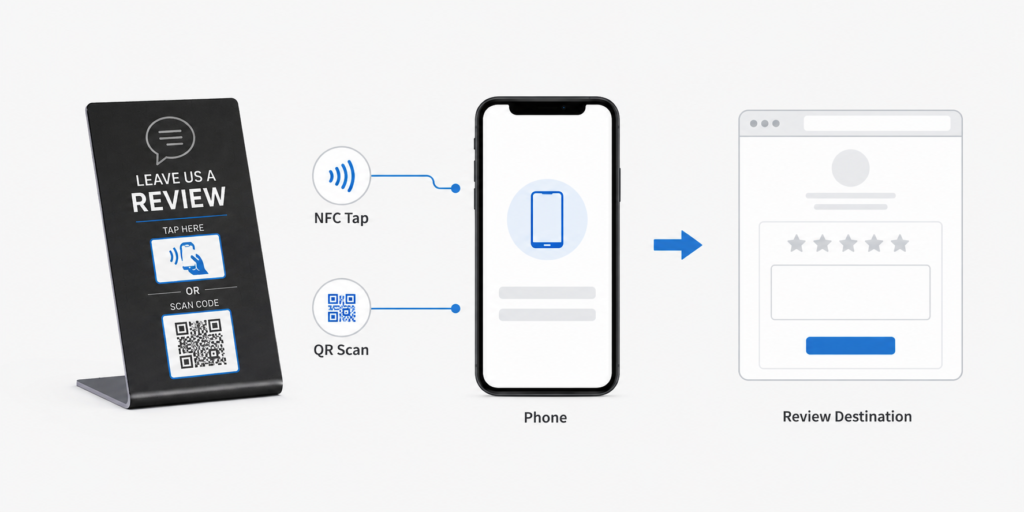
Enhance customer interaction through mobile NFC
Monitor shelf life and stock levels
This is increasingly used in luxury goods, electronics, and FMCG sectors.
8. Installation and Deployment Considerations
8.1 Surface Material
RFID stickers may perform differently on:
Metal surfaces (requires on-metal tags or spacers)
Plastic, cardboard, or glass
Liquid-containing packaging (may reduce read range)
8.2 Reader Compatibility
Ensure stickers match:
Frequency (LF, HF, UHF)
Protocol (EPC Gen2, ISO 14443, ISO 15693)
8.3 Environmental Conditions
Temperature extremes
Humidity and moisture
Abrasion or chemical exposure
Choosing the right sticker material and protective layer is crucial.
9. Security Considerations
Use encrypted tags to prevent cloning
Implement authentication protocols for sensitive data
Monitor for rogue readers or unauthorized access
Security features make RFID stickers suitable for financial, healthcare, and government applications.
10. Advantages Over Barcodes and QR Codes
| Feature | RFID Stickers | Barcodes/QR Codes |
|---|---|---|
| Line-of-Sight Required | No | Yes |
| Multiple Item Reading | Yes | No |
| Speed of Scanning | Very Fast | Slower |
| Data Storage | Up to 2 KB or more | Limited |
| Reusability | Yes | Usually Single-use |
| Security | High (encryption) | Low |
RFID stickers are increasingly replacing traditional labeling in modern supply chains.
11. Cost Considerations
Passive UHF stickers: Very low-cost, ideal for mass deployment
High-frequency or specialized materials: Higher cost, used for durability or security
Cost-benefit analysis should include labor savings, theft prevention, and automation gains
12. Future Trends of RFID Stickers
Integration with IoT platforms: Real-time data analytics
Smart consumer engagement: Mobile NFC applications
Sustainable materials: Biodegradable RFID stickers for environmentally conscious brands
Hybrid stickers: Combining RFID with NFC, barcodes, or sensors
AI-driven inventory management: Predictive analytics using RFID data
The technology is evolving to make RFID stickers smarter, greener, and more versatile.
13. Choosing the Right RFID Sticker
Factors to consider:
Frequency band (LF, HF/NFC, UHF)
Memory size and type
Adhesive type and surface compatibility
Environmental conditions
Security features (encryption, authentication)
Cost vs volume
Reader and system compatibility
Proper selection ensures optimal performance, reliability, and ROI.
14. Conclusion
RFID stickers are more than simple labels. They are digital enablers, converting ordinary objects into trackable, interactive, and secure assets. From retail to logistics, healthcare to smart cities, these tiny devices bring automation, accuracy, and insight to modern operations.
By understanding their structure, functionality, applications, and advantages, businesses can harness RFID stickers to reduce costs, improve efficiency, and enhance security.
Whether you are tracking inventory, securing access, or enabling smart consumer experiences, RFID stickers are an essential component of a connected, digital future.
The right RFID sticker, combined with quality readers, middleware, and IoT platforms, transforms operational challenges into real-time, data-driven solutions.

Do RFID is a leading China-based manufacturer with over 15 years of experience. We specialize in customized RFID readers, tags, and cards, delivering high-quality, tailored solutions that meet your unique business needs and drive seamless, efficient identification.