September 14, 2026
RFID Tracking and Identification for Animals
RFID Tracking and Identification for Animals: Smarter, Safer, and More Scientific Livestock & Pet Management
The moment you try to manage more than a handful of animals, memory stops being enough. Names blur. Ear tags fade. Paper records go missing. And in industries like livestock farming, veterinary care, research, and wildlife conservation, “almost accurate” data is simply not good enough.
That’s where RFID tracking and identification for animals steps in—not as a futuristic gimmick, but as a practical, data-driven tool that transforms how animals are identified, monitored, and protected.
Let’s explore how RFID animal identification works, why it matters, and how it’s reshaping agriculture, veterinary medicine, logistics, and wildlife management worldwide.
Understanding RFID Animal Identification
RFID stands for Radio Frequency Identification. At its core, it is a wireless technology that uses radio waves to identify and track objects—or in this case, animals.
An RFID system consists of three main components:
• RFID tag (attached to or implanted in the animal)
• RFID reader (used to scan the tag)
• Software or database system (stores and manages identification data)
When a reader emits a radio signal, the RFID tag responds by transmitting its unique identification number. This process happens in milliseconds, without physical contact, and often without even requiring line-of-sight scanning.
It’s essentially a digital passport for animals—one that cannot be easily forged, altered, or lost.
Types of RFID Tags for Animals
- RFID Ear Tags
Common in cattle, sheep, and goats. These are durable plastic tags embedded with a passive RFID chip. They are widely used in livestock management and agricultural supply chains.
Not all animal identification solutions are created equal. The type of RFID tag depends on species, environment, and use case.
Benefits:
• Easy to apply
• Long lifespan
• Compatible with farm management software
- Injectable RFID Microchips
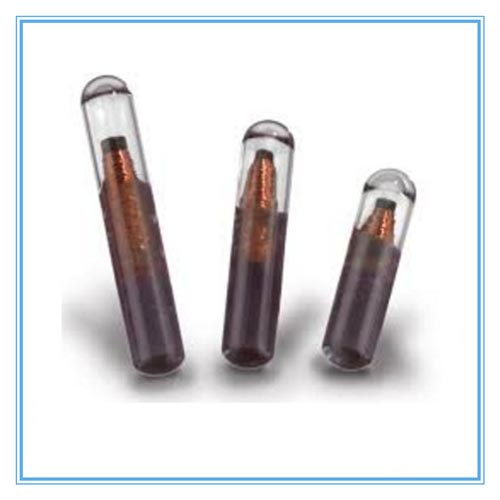
These are tiny glass-encased transponders injected under the skin—commonly used in pets, horses, and companion animals.
Advantages:
• Permanent identification
• Cannot be lost or removed easily
• Globally standardized (ISO 11784/11785)
- Bolus Tags
Used in ruminants such as cattle and sheep. These are ingested and remain in the animal’s stomach.
Benefits:
• Extremely tamper-resistant
• Ideal for high-value livestock
- RFID Leg Bands or Collar Tags
Often used in poultry, birds, laboratory animals, and wildlife studies.
Each format solves a different biological and operational challenge. Engineering meets biology in the most practical way possible.
How RFID Animal Tracking Works
Most animal RFID systems use Low Frequency (LF) 125 kHz or 134.2 kHz, especially for livestock and pets. These frequencies perform well around water-rich environments (animals are, after all, walking bags of water).
For longer-range tracking, UHF (860–960 MHz) RFID can be used, especially in logistics or large-scale farm automation systems.
The workflow looks like this:
- Animal receives RFID tag or microchip
- Tag ID is linked to animal profile in database
- Reader scans tag during feeding, milking, weighing, vaccination, or transport
- Data is automatically recorded
No handwriting. No guessing. No human memory errors.
Primary Applications of RFID Tracking and Identification for Animals
Livestock Management
Modern farms can manage hundreds or thousands of animals. RFID allows:
• Automated feeding control
• Weight tracking
• Breeding history management
• Vaccination tracking
• Milk yield recording
• Disease outbreak tracing
In many countries, RFID livestock identification is legally required to ensure food traceability.
When a steak appears in a supermarket, regulators can trace it back to a specific farm and even a specific animal. That level of traceability reduces fraud and protects public health.
Pet Identification and Recovery
Microchipping pets has become standard practice worldwide.
If a lost pet is found, veterinary clinics and shelters scan the chip and access owner information through a national database.
Unlike collars, microchips cannot fall off.
Millions of pets have been reunited with owners because of this small, silent technology.
Wildlife Tracking and Conservation
In wildlife research, RFID allows non-invasive monitoring of:
• Migration patterns
• Nesting behavior
• Feeding habits
• Population density
Unlike GPS collars, passive RFID tags are lightweight and ideal for smaller species.
Researchers place RFID readers at strategic points—such as feeding stations or nesting areas—to collect data without disturbing the animal.
Science thrives when observation does not interfere with behavior.
Laboratory Animal Identification
In research facilities, accurate identification of lab animals is critical.
RFID ensures:
• Correct treatment assignment
• Controlled study groups
• Reduced human error
Regulatory compliance in research environments often demands precise tracking—and RFID provides that precision.
Logistics and Transport of Livestock
Animal transport involves documentation, health certificates, and regulatory checks.
RFID speeds up:
• Loading and unloading verification
• Border inspections
• Quarantine tracking
• Shipment documentation
In large-scale logistics, seconds saved per animal scale into hours saved per shipment.
Benefits of RFID Animal Identification Systems
Accuracy and Reliability
Each tag carries a unique, non-duplicated ID. No two animals share the same identity code.
Speed and Efficiency
Reading time is typically under 200 milliseconds.
Hands-free operation enables automated systems.
Data Integrity
Digital records eliminate manual errors and improve traceability.
Durability
RFID tags are resistant to:
• Water
• Dirt
• Extreme temperatures
• Physical stress
Cost Efficiency
Passive RFID tags require no internal power source. They last for years without maintenance.
Once implemented, the system reduces labor costs significantly.
Compliance with International Standards
Most RFID animal tags comply with:
• ISO 11784/11785 (animal identification)
• ISO 18000 series
• EPCglobal standards
Global standardization means cross-border compatibility.
Technical Specifications of RFID Animal Tags
Frequency Options:
• LF 125 kHz
• LF 134.2 kHz
• UHF 860–960 MHz
Memory:
• 64 bit unique ID
• Extended memory options for user data
Reading Distance:
• LF: 5–10 cm
• UHF: up to 1–5 meters (depending on reader and environment)
Operating Temperature:
• -30°C to +50°C
Storage Temperature:
• -40°C to +100°C
Materials:
• Biocompatible glass (microchips)
• PVC
• PET + Aluminum antenna
Packaging:
• Customizable bulk packaging
The science is elegant: no battery, no wires, just electromagnetic coupling and physics doing the heavy lifting.
Challenges and Considerations
RFID is not magic. It is engineering.
Factors that influence performance include:
• Reader power output
• Antenna design
• Environmental interference
• Metal proximity
• Animal movement
Correct system design matters.
For example, UHF offers longer range but is more sensitive to water absorption—meaning large animals can absorb radio waves. LF systems are more stable around biological tissue but have shorter range.
Choosing the correct frequency and reader configuration requires technical understanding, not guesswork.
Future Trends in RFID Animal Tracking
Integration with IoT
RFID data is increasingly integrated into cloud-based farm management systems.
Smart barns are becoming a reality.
AI and Data Analytics
Machine learning algorithms analyze RFID data to predict:
• Health issues
• Weight changes
• Breeding cycles
• Feed optimization
From identification to prediction—that’s the next frontier.
Blockchain for Food Traceability
Some supply chains now combine RFID with blockchain to create tamper-proof food origin records.
Imagine scanning a QR code on meat packaging and seeing the animal’s life journey—ethically sourced, fully documented.
Miniaturization and Advanced Chips
New chips offer larger memory, enhanced sensitivity, and better anti-collision algorithms.
More animals can be scanned simultaneously without data collision.
Why RFID Tracking for Animals Is No Longer Optional
Global food demand is rising. Animal welfare standards are tightening. Regulatory frameworks are becoming stricter.
Manual systems cannot keep up.
RFID animal identification provides:
• Transparency
• Accountability
• Efficiency
• Scalability
It transforms farms from memory-based operations into data-driven ecosystems.
And data, when used responsibly, improves welfare, safety, and sustainability.
Choosing the Right RFID Animal Identification Solution
When selecting an RFID tracking system, consider:
• Animal species
• Environmental conditions
• Required reading range
• Regulatory compliance
• Integration with existing systems
• Customization options
Reliable manufacturers offer:
• Custom antenna design
• OEM/ODM services
• Bulk production capability
• Competitive pricing
• Technical support
A well-designed RFID solution does not just identify animals—it strengthens the entire operational workflow.
Conclusion
RFID tracking and identification for animals is not just about tags and readers. It’s about building intelligent systems that respect biology while leveraging technology.
From livestock farms and veterinary clinics to wildlife conservation and research laboratories, RFID has become the quiet backbone of modern animal management.
The animals do not know they are part of a digital network. But the humans caring for them gain clarity, precision, and control.
And in a world where complexity grows daily, clarity is not a luxury—it is survival.
The future of animal management is data-driven, automated, and globally connected.
RFID is the gateway.
The science is solid. The benefits are measurable. The transformation is already happening.

RFID Animal Ear Tags
It is worn on the animal’s ear and outperforms a barcode ear tag in terms of performance. RFID ear tags for animals are becoming increasingly popular. It adheres to the international standard ISO11784/5 FDX-B and can store far more data than a barcode. It is long-lasting and can withstand harsh environmental conditions such as oil pollution and rains, making it ideal for the administration of livestock raising and butchering operations.
Implanted RFID Animal Microchip
RFID Animal Microchip Injection with Implanted RFID Electronic Tags has grown in popularity in recent years, with the basic premise being that they are implanted under the skin of animals using syringes, establishing a permanent connection between the animal’s body and the electronic tags. Cats, dogs, horses, pigs, cows, lambs, rabbits, donkeys, foxes, and other small animals can all benefit from the injectable tags, which can be as small as a grain of rice.
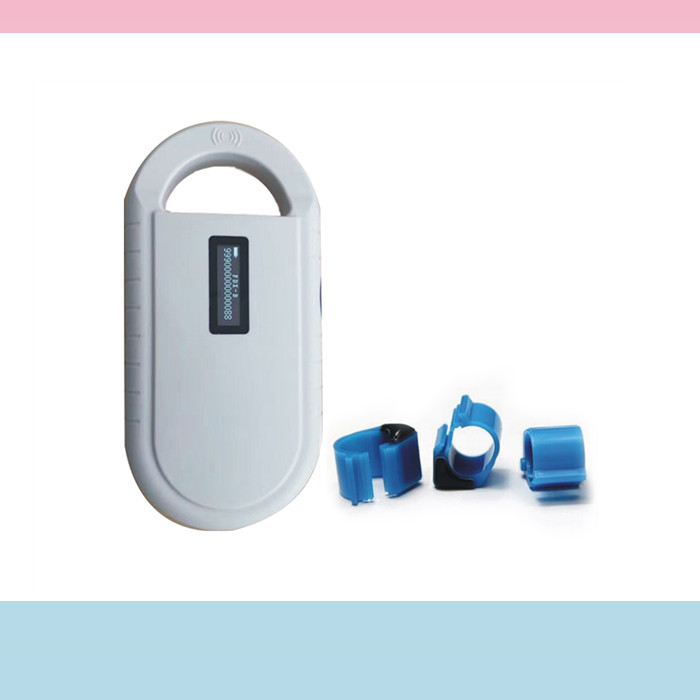
RFID pigeon tag
RFID Pigeon Foot Ring is possible to track poultry or birds such as chickens, pigeons, ducks, geese, and other small birds using an RFID pigeon tag, also known as an RFID bird ring. This tag is typically attached to leg bands and is difficult to remove, allowing poultry or birds to be tracked more effectively. The RFID pigeon foot ring is frequently equipped with a 125 kHz or 13.56MHz RFID chip and is available in a variety of colors and sizes to meet the needs of various target species.
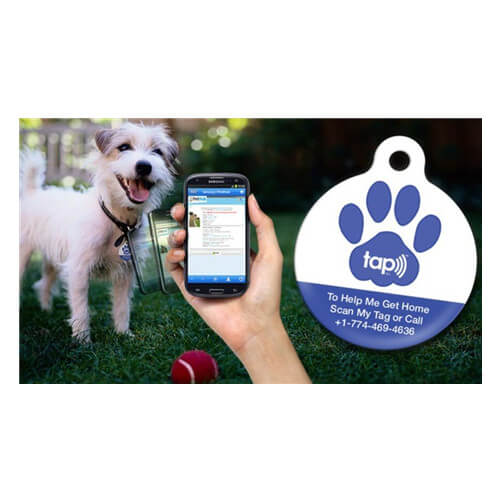
RFID epoxy tag for animals
RFID Epoxy Tag for Pets, which typically operate at a frequency of 125 kHz, are commonly used in pet identification and tracking. It is made of an environmentally friendly epoxy, is spherical and smooth, and is completely safe for pets. It’s also small and delicate, and it’s easy to use and care for. Epoxy tags come in a variety of colors, styles, and chips, and you can even personalize them by uploading a photo of your pet to make them truly one-of-a-kind.
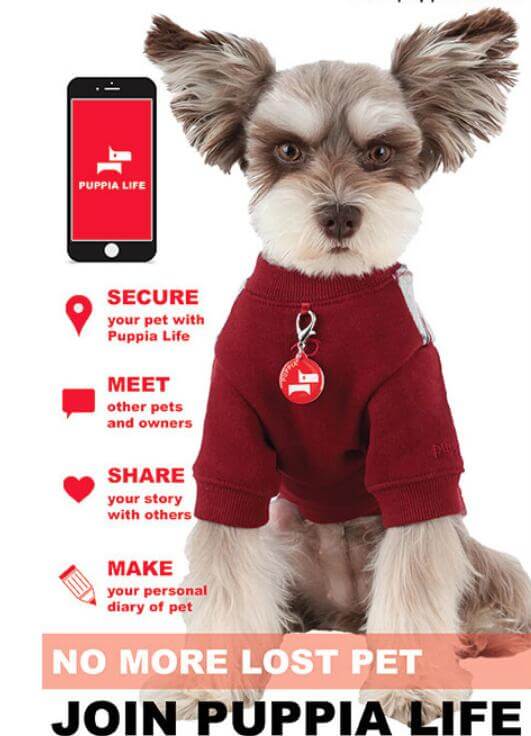
electronic collar tags
electronic collar tags are frequently used for animal tracking and management. The collar electronic tag is easily transferable from one animal to another, making it ideal for automatic feed rationing in the stable and milk production measurement.

RFID Pill tag
The RFID chip is encapsulated in an acid-resistant cylindrical container by the pill electronic tag. The container is then inserted into the ruminant’s forestomach juice via the animal’s esophagus. The most important characteristics of this approach are its simplicity and dependability. And the electronic tag can be placed in the animal without harming the animal.

Do RFID is a leading China-based manufacturer with over 15 years of experience. We specialize in customized RFID readers, tags, and cards, delivering high-quality, tailored solutions that meet your unique business needs and drive seamless, efficient identification.