
In a world quietly run by invisible radio waves, the 125KHz RFID system is one of the most reliable, stable, and widely adopted identification technologies. It doesn’t look flashy. It doesn’t try to impress you with buzzwords. It simply works — consistently, predictably, and efficiently.
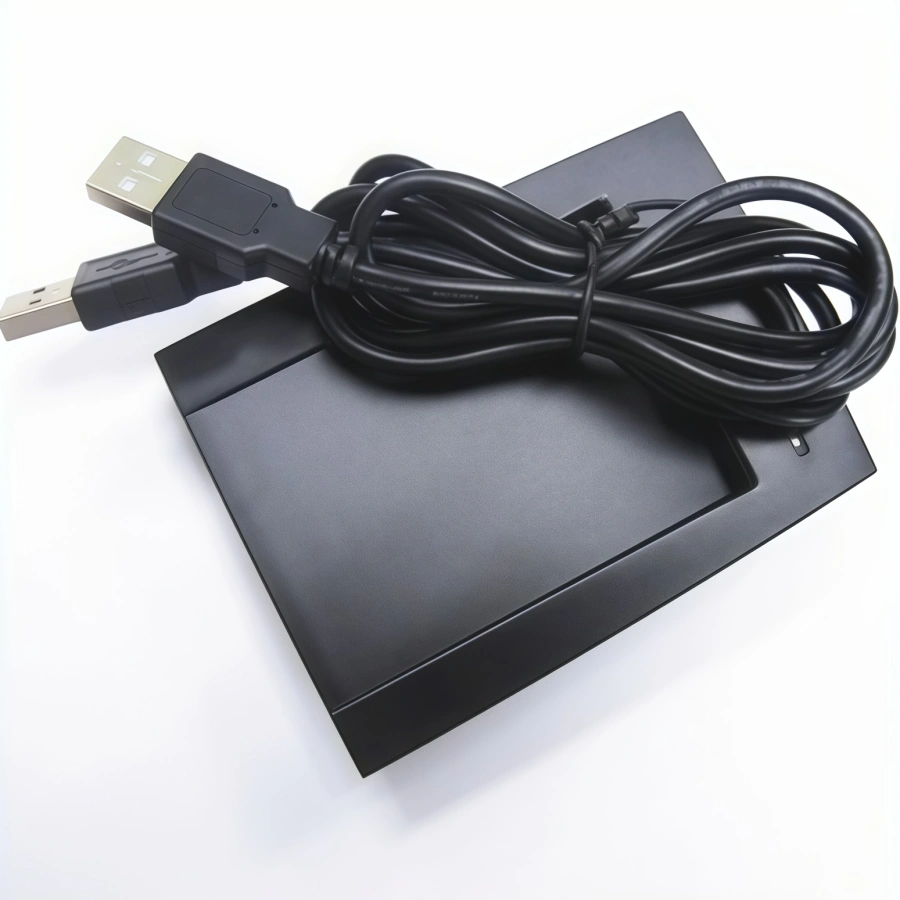
The USB 125KHz Card Reader is a compact, plug-and-play RFID device designed to read low-frequency proximity cards such as EM4100 and compatible 125KHz tags. It is widely used in access control systems, time attendance machines, membership management, parking systems, and identity verification platforms.
This comprehensive SEO product guide covers technical specifications, working principles, compatibility, installation, application scenarios, advantages, limitations, and how to choose the right 125KHz USB RFID reader for your system.
What Is a USB 125KHz Card Reader?
A USB 125KHz Card Reader is a low-frequency RFID reader that connects to a computer or embedded system via a USB interface. It reads unique identification numbers from 125KHz proximity cards and transmits the data to the host device, typically emulating keyboard input (HID mode).
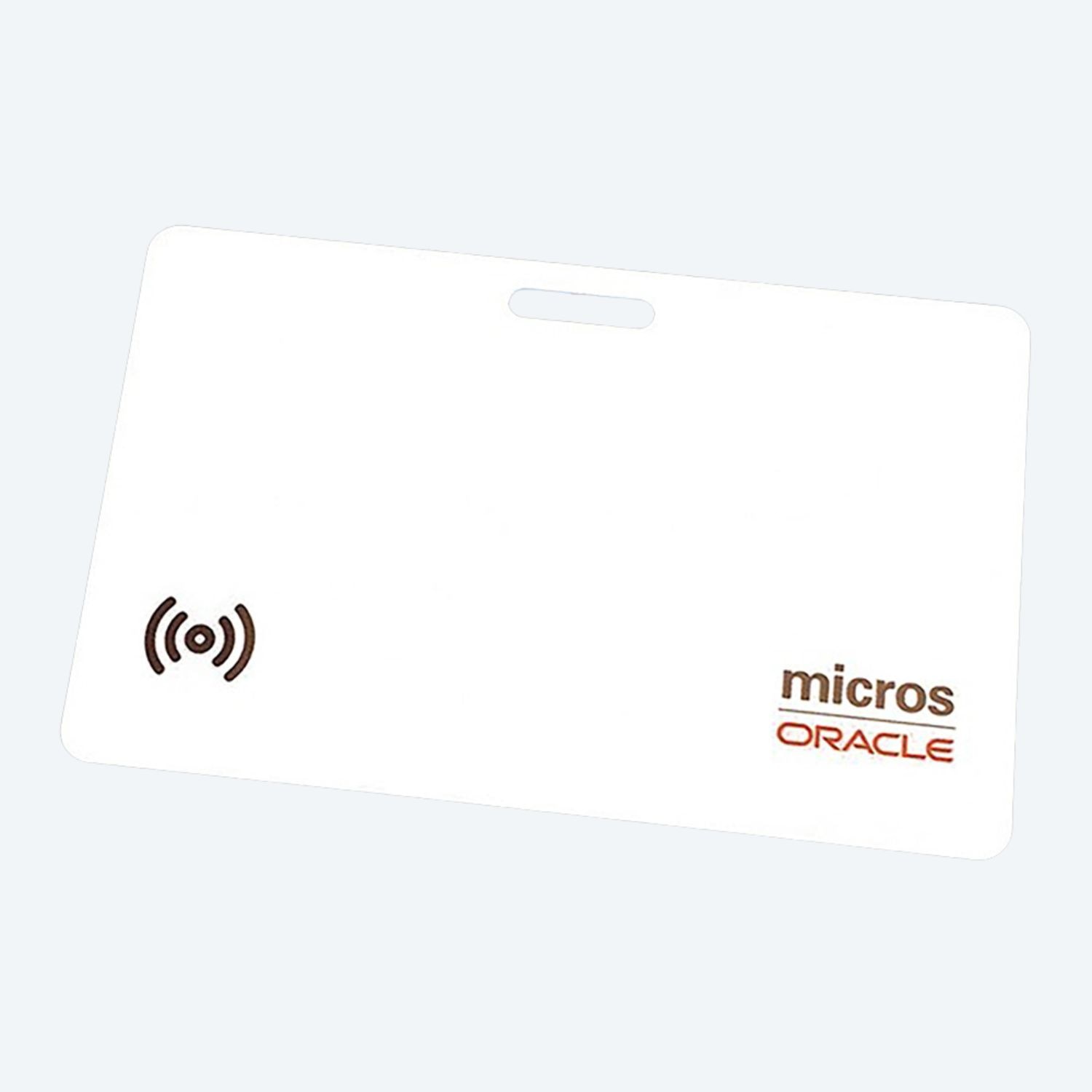
The “125KHz” refers to the radio frequency at which the RFID card communicates with the reader. Low-frequency RFID systems are known for:
• Stable signal penetration
• Low interference sensitivity
• Strong compatibility with legacy systems
• Cost-effective deployment
The USB interface ensures easy integration with PCs, laptops, kiosks, industrial control systems, and POS terminals.
How 125KHz RFID Technology Works
Let’s briefly demystify the physics.
RFID stands for Radio Frequency Identification. In a 125KHz system:
- The reader emits a low-frequency electromagnetic field.
- A passive RFID card enters the field.
- The card’s internal coil antenna is energized by induction.
- The chip transmits its unique ID number back to the reader.
- The reader decodes and sends that data to the computer via USB.
No battery is required in passive cards. The energy transfer happens wirelessly through electromagnetic coupling.
Low frequency (LF) 125KHz signals have shorter read ranges compared to high-frequency (13.56MHz) or UHF systems, but they are highly stable and less sensitive to interference from water or metal.
Simple physics. Elegant engineering.
Key Features of USB 125KHz Card Reader
Plug-and-Play USB Interface
The reader connects directly via USB port and typically operates as:
• USB-HID keyboard emulator
• Virtual COM port (optional models)
No external power supply required. The USB port provides both data and power.
Wide Card Compatibility
Most USB 125KHz readers support:
• EM4100
• EM4200
• TK4100
• EM4305 (read-only)
• Compatible 125KHz proximity cards
Compatibility ensures seamless integration with existing access systems.
Fast Reading Speed
Typical reading time: less than 200 milliseconds.
In practical use, this feels instantaneous.
Stable Reading Distance
Reading distance generally ranges between:
• 0–10 cm
Distance depends on antenna size, card quality, and environmental conditions.
LED and Buzzer Indication
Most models include:
• LED status indicator
• Audible buzzer confirmation
This provides user feedback during card scanning.
Technical Specifications (Typical Parameters)
While specifications vary by manufacturer, common parameters include:
• Operating Frequency: 125KHz
• Interface: USB 2.0
• Operating Voltage: 5V DC (via USB)
• Operating Current: <100mA
• Reading Distance: 2–10 cm
• Data Output: 8–10 digit card number
• Operating Temperature: -10°C to +70°C
• Storage Temperature: -20°C to +80°C
• Housing Material: ABS plastic
• Color Options: Black or white
Compact design allows desktop placement or wall mounting.
Application Scenarios

4
1. Access Control Systems
USB 125KHz readers are widely used in office access control:
• Employee entry authorization
• Restricted area access
• Security gate control
• Server room access
The reader connects to a PC-based access management system.
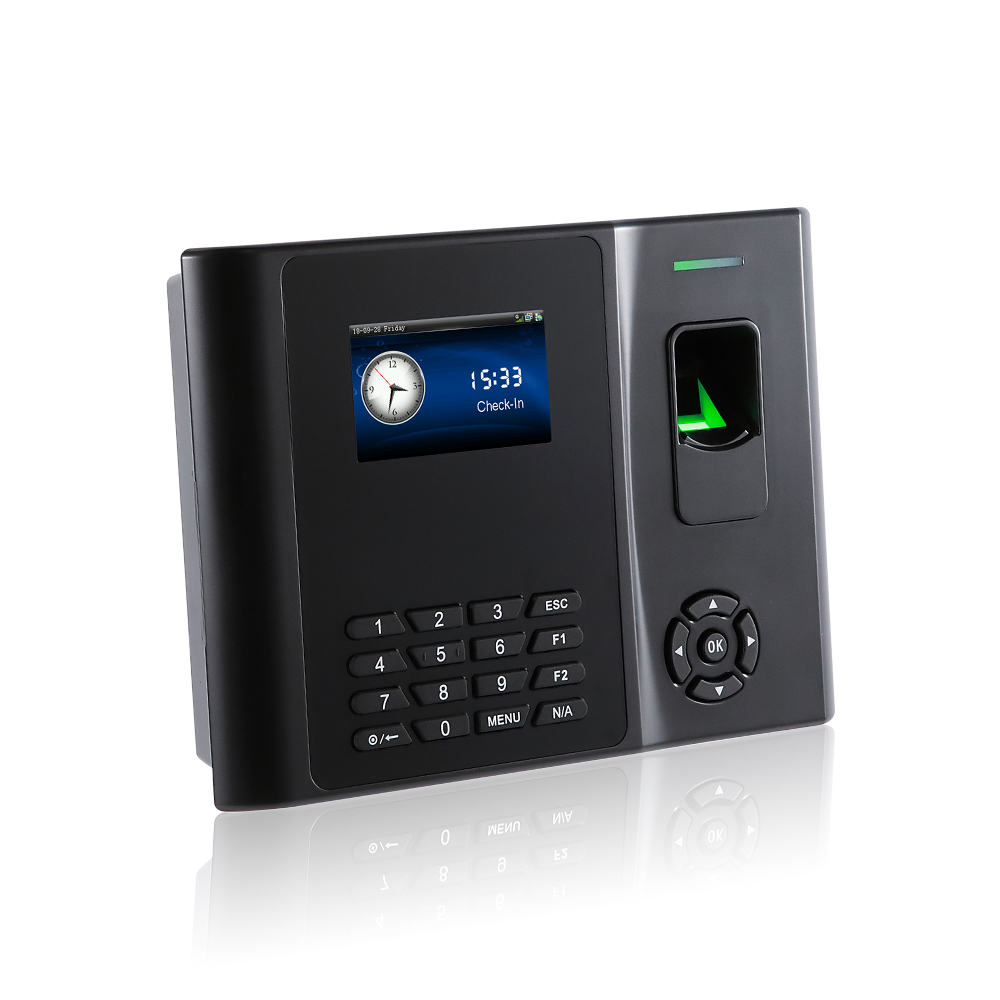
2. Time Attendance Management
Factories and enterprises use RFID readers for:
• Employee check-in/check-out
• Shift management
• Attendance tracking
RFID systems reduce manual timekeeping errors.
3. Membership & Loyalty Systems
Gyms, clubs, and retail stores use RFID cards for:
• Member verification
• Point accumulation
• Discount tracking
Quick card reading improves customer experience.
4. Parking Management
Parking systems use RFID for:
• Vehicle entry authorization
• Subscription parking validation
• Access logging
Low-frequency RFID works reliably in outdoor environments.
5. School & Campus Systems
Educational institutions use RFID cards for:
• Student attendance
• Library management
• Dormitory access
RFID improves accountability while simplifying record keeping.
Advantages of 125KHz USB Card Readers
1. High Stability
Low-frequency systems are less sensitive to signal interference compared to high-frequency systems.
2. Cost-Effective
125KHz cards are inexpensive and widely available.
3. Simple Integration
USB-HID mode allows seamless data entry into:
• Excel
• Access control software
• ERP systems
• Web-based login fields
The reader behaves like a keyboard.
4. Low Maintenance
Passive cards require no battery.
The reader itself has minimal moving parts.
5. Long Lifecycle
LF RFID technology has been used for decades.
It is mature, proven, and stable.
Limitations to Consider
No technology is perfect.
Short Reading Distance
125KHz typically supports short-range scanning.
It is not suitable for long-distance vehicle identification.
Limited Data Storage
Most 125KHz cards transmit only an ID number.
They do not support large data storage like high-frequency smart cards.
Security Level
Basic 125KHz cards are read-only and not encrypted.
For high-security environments, encrypted smart card systems may be preferable.
Technology choice depends on application requirements.
Installation and Setup Guide
Installation is typically straightforward:
- Connect the USB reader to a computer.
- Wait for automatic driver installation (HID mode).
- Open a text editor or software field.
- Scan a 125KHz card.
- The card number appears automatically.
For virtual COM port models, additional configuration may be required.
Mounting options:
• Desktop placement
• Wall-mounted installation
• Embedded kiosk integration
Compact dimensions allow flexible deployment.
Integration with Software Systems
The USB 125KHz reader works with:
• Windows operating systems
• Linux systems
• Embedded industrial PCs
• POS systems
• Custom access software
Since most readers emulate keyboard input, integration complexity is minimal.
Developers can also capture card data through serial port protocols when supported.
Choosing the Right USB 125KHz Card Reader
When selecting a product, consider:
1. Card Compatibility
Verify supported chip types (EM4100, TK4100, etc.).
2. Output Format
Check if output includes:
• Leading zeros
• Prefix/suffix characters
• Custom formatting options
Formatting compatibility avoids software conflicts.
3. Build Quality
Industrial-grade readers offer:
• Strong ABS housing
• Shock resistance
• Stable antenna design
Durability matters in high-traffic environments.
4. Certification
Look for:
• CE certification
• FCC compliance
• RoHS compliance
Compliance ensures electrical safety and export readiness.
5. Custom Branding Options
OEM services may include:
• Logo printing
• Custom packaging
• Firmware customization
Branding can strengthen product positioning in local markets.
OEM and Bulk Purchase Considerations
For distributors and system integrators, manufacturers may offer:
• Custom cable length
• Color variations
• SDK support
• Bulk pricing
• Technical documentation
Large-scale projects benefit from factory cooperation.
Maintenance and Troubleshooting
Common issues include:
• Card not detected
• Incorrect output format
• USB recognition problems
Basic troubleshooting steps:
• Check USB port functionality
• Test with another card
• Confirm software compatibility
• Verify card frequency (must be 125KHz)
Most operational issues stem from card incompatibility rather than reader failure.
125KHz vs 13.56MHz RFID – Quick Comparison
| Feature | 125KHz | 13.56MHz |
|---|---|---|
| Frequency | Low Frequency | High Frequency |
| Read Range | Short | Medium |
| Data Storage | ID Only | Larger Data |
| Cost | Lower | Higher |
| Security | Basic | Higher (encrypted) |
| Interference Resistance | Strong | Moderate |
The USB 125KHz card reader is ideal when simplicity and cost efficiency are primary goals.
Why 125KHz Technology Remains Relevant
Technology does not disappear simply because newer versions exist.
125KHz RFID remains widely used because:
• Infrastructure is already established
• Cards are affordable
• Systems are simple to maintain
• Reliability is proven
Mature technology often outlives trends.
Environmental Adaptability
USB 125KHz readers typically function in:
• Office environments
• Factory floors
• Retail stores
• Outdoor sheltered areas
Operating temperature tolerance makes them suitable for diverse climates.
Low-frequency signals penetrate minor obstacles better than high-frequency systems.
Packaging and Shipping
Standard packaging often includes:
• USB RFID reader
• User manual
• Optional driver CD (if required)
For bulk export:
• Protective carton packaging
• Anti-static wrapping
• Export labeling compliance
Compact size reduces shipping cost per unit.
Market Demand and Industry Outlook
Despite the rise of biometric systems and NFC smartphones, RFID cards remain dominant in:
• Industrial access control
• Employee attendance systems
• Budget-sensitive projects
• Developing markets
The simplicity and low cost ensure ongoing demand.
Sometimes the quiet technology keeps the world running.
Final Thoughts
The USB 125KHz Card Reader represents a stable, cost-effective, and widely compatible solution for RFID-based identification systems. It offers plug-and-play simplicity, reliable short-range reading, and broad compatibility with EM4100-type cards.
From office access control to industrial attendance tracking, from retail membership systems to campus management, the 125KHz USB reader remains a dependable component in identification infrastructure.
While advanced RFID and biometric systems continue to evolve, the 125KHz standard persists because it solves real-world problems efficiently and affordably.
In engineering, complexity is not always superiority. Sometimes, the simplest signal at 125 kilohertz quietly does its job — thousands of times per day — without drama.
And in industrial systems, consistency is a form of intelligence.