September 14, 2026
Near Field Communication, better known as NFC, is one of those quiet technologies that slips into everyday life almost unnoticed. Tap a phone to pay for coffee, scan a tag on a poster to open a website, or trigger a smart home routine by touching your phone to a small sticker on the wall. Behind many of these simple interactions sits a tiny chip. One of the most widely used chips in the NFC ecosystem is NTAG215.
NTAG215 rewritable NFC tags are popular because they strike a near-perfect balance between memory capacity, compatibility, and cost. Developers, marketers, gamers, manufacturers, and hobbyists all rely on them. In fact, if you have ever used programmable Amiibo cards, smart posters, or automation tags, there is a good chance an NTAG215 chip was involved.
This guide explores NTAG215 NFC tags in depth—how they work, their technical specifications, real-world applications, programming methods, rewriting capabilities, security considerations, and best practices. The goal is to make the subject practical and understandable so readers can confidently use NTAG215 tags in their own projects.
Understanding NFC Technology
NFC is a short-range wireless communication technology that operates at 13.56 MHz. Two devices communicate when they are placed within a few centimeters of each other.
Unlike Bluetooth or Wi-Fi, NFC does not require pairing or manual connection. The communication happens instantly when the devices are close enough.
An NFC system typically consists of three parts:
NFC reader (smartphone, payment terminal, or scanner)
NFC tag (a small chip embedded in a card, sticker, or label)
NFC software or application
When a reader scans a tag, the chip transmits stored information to the device. The phone or reader then performs a programmed action, such as opening a webpage or connecting to Wi-Fi.
NTAG215 is one of the most common NFC chips used for these purposes.
What Is an NTAG215 NFC Tag?
NTAG215 is part of the NXP NTAG21x family, a series of NFC chips designed for NFC Forum Type 2 tag applications.
The NTAG21x series includes three main versions:
NTAG213
NTAG215
NTAG216
Each version differs mainly in memory capacity.
NTAG215 sits right in the middle of the series. It provides significantly more storage than NTAG213 but remains more affordable than NTAG216.
This balance makes it ideal for applications that require moderate memory and reliable performance.
Key Technical Specifications of NTAG215
Understanding the technical specifications helps determine whether NTAG215 is suitable for a specific project.
Typical NTAG215 parameters include:
Operating frequency:
13.56 MHz
Standard:
ISO14443A NFC Forum Type 2
Total memory:
540 bytes
User available memory:
504 bytes
Data retention:
Up to 10 years
Write endurance:
More than 100,000 write cycles
Reading distance:
Typically 1–5 cm depending on antenna size and reader strength
Unique identifier:
7-byte UID programmed during manufacturing
These features allow NTAG215 tags to store and transmit small data records reliably.
Why NTAG215 Tags Are Rewritable
One of the most important characteristics of NTAG215 tags is their rewritable memory.
Unlike one-time programmable tags, NTAG215 chips allow users to:
Write new data
Edit existing data
Delete previous data
Reuse the tag multiple times
This is possible because the chip contains EEPROM memory, which supports repeated rewriting.
However, rewriting is only possible until the tag is permanently locked.
Once locked, the memory becomes read-only and can no longer be modified.
Memory Structure of NTAG215
The memory inside an NTAG215 chip is organized into pages.
Each page contains 4 bytes of data.
Pages are used for:
system configuration
lock bits
user data storage
User memory begins after the system pages and extends through the majority of the chip.
Because user memory totals 504 bytes, the tag can store:
short text records
URLs
vCards
Wi-Fi credentials
small application commands
Understanding the page structure becomes important when performing advanced NFC programming.
NTAG215 vs NTAG213 vs NTAG216
To understand where NTAG215 fits in the NFC ecosystem, it helps to compare it with the other NTAG21x chips.
| Feature | NTAG213 | NTAG215 | NTAG216 |
|---|---|---|---|
| User Memory | 144 bytes | 504 bytes | 888 bytes |
| Typical Use | simple URLs | automation & gaming | large NFC records |
| Cost | low | medium | higher |
NTAG215 is often selected because it provides enough memory for most NFC applications while remaining affordable.
Common Applications of NTAG215 NFC Tags
NTAG215 tags appear in a surprisingly wide range of industries.
Gaming and Amiibo Tags
One of the most famous uses of NTAG215 is Nintendo Amiibo compatibility.
Amiibo figures contain NTAG215 chips that store character data. When scanned by a gaming console, the data triggers in-game features.
Because of this, many programmable Amiibo cards use NTAG215 chips.
Smart Marketing
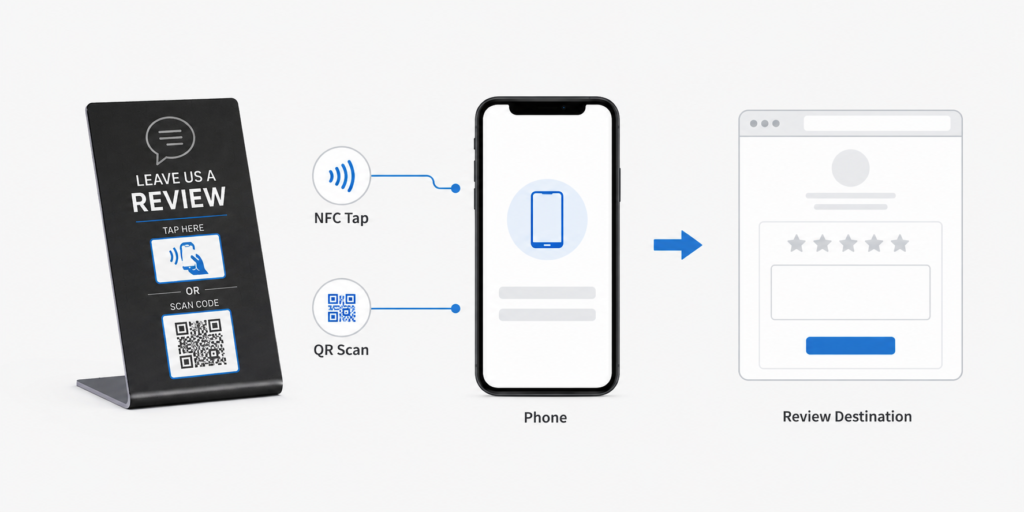
Businesses use NFC tags for interactive marketing campaigns.
Examples include:
smart posters
product packaging links
digital coupons
event check-ins
Customers simply tap their phone to access content instantly.
Digital Business Cards
NTAG215 tags can store contact information.
Instead of exchanging paper cards, professionals can share their contact details by tapping a phone to a small NFC card or sticker.
Smart Home Automation
NFC tags are frequently used in home automation.
Examples include:
turning on lights
activating Do Not Disturb mode
starting music playlists
controlling smart devices
A simple tap triggers the programmed automation routine.
Inventory and Asset Tracking
Companies sometimes attach NFC tags to equipment or tools.
Scanning the tag can display:
maintenance history
asset ID
usage instructions
inspection records
This improves asset management efficiency.
Types of NTAG215 NFC Tags
NTAG215 chips can be embedded in many physical formats.
Common forms include:
NFC stickers
Thin adhesive tags that can be attached to products or surfaces.
NFC cards
PVC cards similar to credit cards.
Keychain tags
Small plastic tokens attached to keyrings.
Wristbands
Used in events, theme parks, and access control systems.
Embedded labels
Used in packaging or product authentication systems.
The chip itself remains the same regardless of form factor.
How to Program an NTAG215 NFC Tag
Programming NTAG215 tags is surprisingly easy. Most smartphones can do it.
Step 1: Install an NFC App
Popular apps include:
NFC Tools
NXP TagWriter
NFC TagInfo
These apps allow users to read and write NFC tags.
Step 2: Enable NFC on Your Phone
On Android devices:
Settings → Connections → Enable NFC
Most modern smartphones support NFC.
Step 3: Create a Data Record
Within the app, choose the type of data you want to store.
Common record types include:
website URL
phone number
contact card
text message
Wi-Fi network credentials
Step 4: Write the Data
Hold the phone near the NFC tag.
The application writes the data to the chip.
The process usually takes less than a second.
Step 5: Test the Tag
Scan the tag again with your phone to confirm the programmed action works correctly.
How to Rewrite an NTAG215 Tag
Rewriting a tag simply means replacing its stored data.
The process typically involves:
scanning the tag
erasing or overwriting the data
writing new records
Many NFC apps provide an erase function that clears previous content before writing new information.
Because NTAG215 supports over 100,000 write cycles, it can be reused many times.
Locking an NTAG215 Tag
Sometimes it is important to prevent data modification.
NTAG215 tags include lock bits that permanently disable rewriting.
Reasons to lock a tag include:
preventing tampering
protecting marketing campaigns
securing authentication systems
However, locking a tag is permanent.
Once locked, the tag cannot be rewritten.
Security Features of NTAG215
NTAG215 tags include several security mechanisms.
Unique Identifier (UID)
Each chip contains a factory-programmed unique ID.
This allows systems to identify individual tags.
Password Protection
The chip supports password-based write protection.
Users can require a password before modifying tag memory.
Anti-Collision Mechanism
Multiple tags can exist in the same field, and the reader can still communicate with them individually.
This is useful in inventory systems.
Best Practices for Using NTAG215 Tags
Successful NFC deployments usually follow a few practical guidelines.
Choose the right antenna size
Larger antennas improve reading distance.
Test with different phones
Different smartphone models have different NFC antenna strengths.
Avoid placing tags near metal
Metal surfaces can interfere with NFC signals.
Protect outdoor tags
Weatherproof coatings or plastic housings improve durability.
Limitations of NTAG215 Tags
Despite their versatility, NTAG215 tags do have limitations.
The memory capacity is limited to 504 bytes, which restricts the amount of data that can be stored directly.
Large files or media must be stored online and accessed through a URL.
Also, NFC requires close proximity. Communication usually occurs within a few centimeters.
This limitation is actually beneficial for many secure applications.
Future Trends for NFC Tags
NFC technology continues to evolve rapidly.
Emerging trends include:
smart packaging with embedded NFC chips
product authentication systems
digital passports for luxury goods
interactive retail experiences
IoT device configuration using NFC
As smartphones become more powerful and NFC adoption grows, chips like NTAG215 will remain essential components of the connected world.
Conclusion
NTAG215 rewritable NFC tags have become one of the most versatile tools in the NFC ecosystem. Their balance of memory capacity, compatibility with smartphones, and affordable cost makes them ideal for a wide range of applications—from gaming and marketing to automation and asset management.
Because NTAG215 tags are rewritable, durable, and easy to program, both beginners and professionals can use them effectively. With the right tools and a basic understanding of how NFC technology works, anyone can deploy these tags to create interactive experiences, automate tasks, or build innovative digital systems.
The technology inside these tiny chips may be small, but its impact on how the physical and digital worlds interact is enormous. One tap is all it takes to bridge that gap.

Au is an RFID and NFC manufacturer based in Shenzhen, China, with over 10 years of experience.