
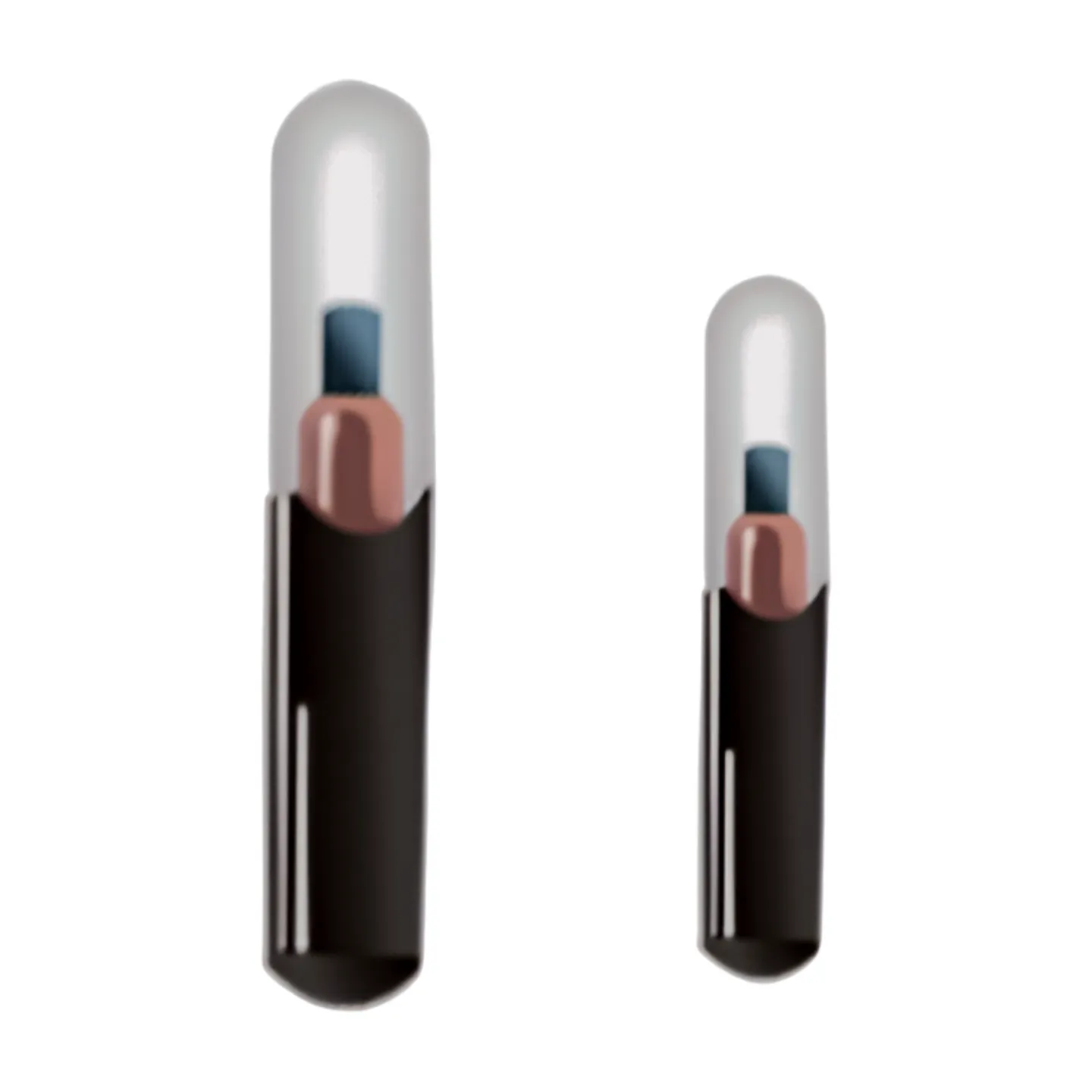
RFID Temperature Sensor Microchip for Animal Health Monitoring
Product Overview
The RFID Temperature Sensor Microchip is a passive, implantable RFID device that combines unique animal identification with precise temperature sensing. It solves the core problem of proactive livestock health management by enabling non-invasive, routine monitoring of an animal’s core body temperature, a key early indicator of illness, stress, or infection. This microchip is designed for livestock farmers, veterinarians, breeding operations, and research facilities. Its unique value proposition is the integration of a sensor into a standard ID tag, creating a vital health monitoring tool within a tiny, biocompatible form factor.
Key Features and Benefits
The RFID Temperature Microchip delivers significant advantages for modern livestock management.
- Dual-Function Technology: Captures both a Unique Identification Number (UID) and accurate temperature data with one scan, streamlining operations.
- Proactive Health Management: Facilitates early detection of fever or hypothermia, allowing for timely intervention to improve animal welfare and reduce treatment costs.
- ISO Standard Compliance: Guaranteed compatibility with existing global livestock identification systems and readers that support the ISO 11784/11785 FDX-B protocol.
- Biocompatible Design: Constructed from Bioglass material, ensuring safety and stability for long-term implantation.
- Passive & Maintenance-Free: Requires no internal battery, powered entirely by the reader’s signal for a lifelong operational lifespan.
- Compact Size: The ultra-small 1.4 x 8.5 mm dimensions minimize animal discomfort and are suitable for a wide range of species.
How the RFID Temperature Microchip Works
The operational principle is straightforward and efficient, integrating seamlessly into existing RFID workflows.
The Scanning Process
- A compatible 134.2 kHz FDX-B RFID reader is brought near the implanted animal.
- The electromagnetic field from the reader powers the passive microchip.
- The activated chip instantly responds by transmitting its stored data packet back to the reader.
Data Transmission
The transmitted data packet contains two critical pieces of information: the animal’s unique, unalterable identification code as per ISO 11784, and the current temperature reading from the integrated sensor. This data is displayed on the reader’s screen or can be forwarded directly to herd management software for record-keeping and analysis.
Primary Applications and Use Cases
This sensor microchip is versatile for various scenarios in animal management.
- Livestock Health Monitoring: Routine temperature checks for dairy cows, beef cattle, swine, and sheep to detect illness early.
- Breeding & Reproduction Management: Monitoring temperature cycles to identify optimal breeding timing.
- Veterinary Care: Providing accurate baseline temperature data during examinations or post-operative recovery monitoring.
- Biosecurity & Disease Control: Enabling quick identification and isolation of individuals with elevated temperatures within a herd.
- Research Studies: Collecting reliable and consistent temperature data from animals in clinical or field research settings.
Technical Specifications
| Specification | Detail |
|---|---|
| Product Name | RFID Temperature Sensor Microchip |
| Frequency | 134.2 kHz |
| Communication Standard | ISO 11784 / 11785 FDX-B |
| Chip Type | Custom Sensor Chip |
| Primary Function | Unique Identification (UID) & Temperature Sensing |
| Material | Bioglass |
| Dimensions | 1.4 mm (Diameter) x 8.5 mm (Length) |
| Read Range | Varies by reader; typical for implantable LF chips |
| Power Source | Passive (Reader Powered) |
Benefits for Farmers and Veterinarians
Implementing this technology translates into tangible operational improvements.
- Improve Herd Health: Make data-driven decisions to enhance overall animal welfare and productivity.
- Reduce Operational Losses: Early illness detection helps minimize mortality, treatment expenses, and production losses.
- Save Time and Labor: Perform quick, non-contact temperature checks without the need for physical restraint, integrating into standard RFID routines.
- Ensure Comprehensive Traceability: Maintain ISO-compliant identification for food safety and pedigree tracking, now augmented with vital health data.
- Gain Valuable Insights: Build historical temperature profiles for individuals or herds to identify trends and optimize management practices.
Frequently Asked Questions
How does an RFID temperature microchip work?
The microchip contains integrated RFID circuitry and a miniature temperature sensor. When activated by a compatible reader’s 134.2 kHz signal, it draws operating power, measures the immediate ambient (body) temperature, and transmits both its unique ID and the digitized temperature measurement back to the reader.
Is the temperature reading accurate?
Yes. These chips utilize calibrated digital sensors specifically designed to provide precise measurements of core body temperature, making them a reliable tool for health monitoring and clinical decision-making.
Can I use my existing FDX-B livestock reader?
For reading the unique identification number, any reader compliant with the ISO 11785 FDX-B standard is compatible. To access and display the additional temperature data, you may need to confirm that your reader’s software or firmware is configured to decode the full sensor data packet from this specific chip model. Consultation with your reader manufacturer or our technical support team is recommended.
Is implantation safe for the animal?
Yes. The microchip is encased in Bioglass, a biocompatible material commonly used in medical implants. The implantation procedure is quick, minimally invasive, similar to a standard vaccination, and must be performed by a trained professional such as a veterinarian or certified implanter.