
Product Overview
The 134.2 kHz RFID microchip is a specialized low-frequency transponder engineered specifically for animal identification and management. Operating at the globally standardized frequency for animal applications, this passive microchip provides a permanent, reliable, and unalterable method for tracking livestock, companion animals, and wildlife. Its design prioritizes safety with biocompatible encapsulation and ensures consistent performance with excellent signal penetration through tissue and fluids.
Key Features and Benefits
Global Standard Compliance
This microchip operates at 134.2 kHz, complying with international standards ISO 11784 and ISO 11785. This ensures compatibility with reading systems worldwide, facilitating global animal movement, trade, and health monitoring programs.
Safe and Biocompatible Design
Encapsulated in a smooth, bio-inert glass or polymer material, the microchip is designed for safe subcutaneous implantation. The materials prevent tissue reaction and migration, ensuring the chip remains securely in place for the life of the animal.
Permanent and Tamper-Proof Identification
Each microchip is programmed with a unique, unchangeable identification number. Once implanted, it provides a permanent and fraud-resistant link to the animal, superior to external tags that can be lost, damaged, or removed.
Superior Read Performance
The low-frequency 134.2 kHz signal offers robust penetration through animal tissue, body fluids, and non-metallic materials. This results in highly reliable read rates with a consistent range, minimizing failed scans.
Durable and Maintenance-Free
As a passive device, it requires no internal battery. It is built to withstand physiological conditions and extreme environmental temperatures, offering a minimum data retention lifespan of 20 years with zero maintenance.
Technical Specifications
- Operating Frequency: 134.2 kHz (Low Frequency)
- Communication Protocol: FDX-B or HDX (depending on model)
- Standards: ISO 11784 / ISO 11785
- Read Range: Typically 10 cm to 30 cm, dependent on reader
- Chip Dimensions: Approximately 2mm diameter x 12mm length (standard format)
- Encapsulation: Biocompatible glass or polymer
- Operating Temperature: -40°C to +85°C
- Data Capacity: 64-bit or 128-bit unique identification number
- Anticollision: Supported, allowing multiple animals in a herd to be read efficiently.
How It Works
The system functions through electromagnetic induction. A compatible 134.2 kHz RFID reader generates an electromagnetic field. When the implanted microchip enters this field, its antenna coil captures energy, powering the integrated circuit. The chip then transmits its pre-programmed unique ID number back to the reader. This entire process occurs in milliseconds, providing instant identification without physical contact.
Primary Applications
Livestock Management and Traceability
Used extensively in dairy, beef, swine, and poultry operations for individual animal management. It enables precise tracking of pedigree, breeding history, medical treatments, vaccination records, and movement from birth through the supply chain, supporting food safety and quality assurance programs.
Companion Animal Identification
Provides permanent ID for dogs, cats, and other pets. This facilitates the return of lost animals to their owners, maintains accurate medical histories at veterinary clinics, and serves as proof of ownership. It is a core component of national pet identification databases.
Disease Control and Biosecurity
Critical for disease surveillance and outbreak management. Enables rapid identification and tracing of infected or exposed animals, allowing for effective quarantine, controlled movement, and targeted vaccination campaigns.
Wildlife and Conservation Research
Used to tag and monitor wildlife populations for research, conservation, and management purposes. Provides a reliable method for long-term studies on migration, population dynamics, and health status of individual animals.
Equine Identification
Essential for breed registries, competition horses, and thoroughbred racing industries. Provides verifiable identity for registration, medical management, and ownership documentation.
Implementation and Usage
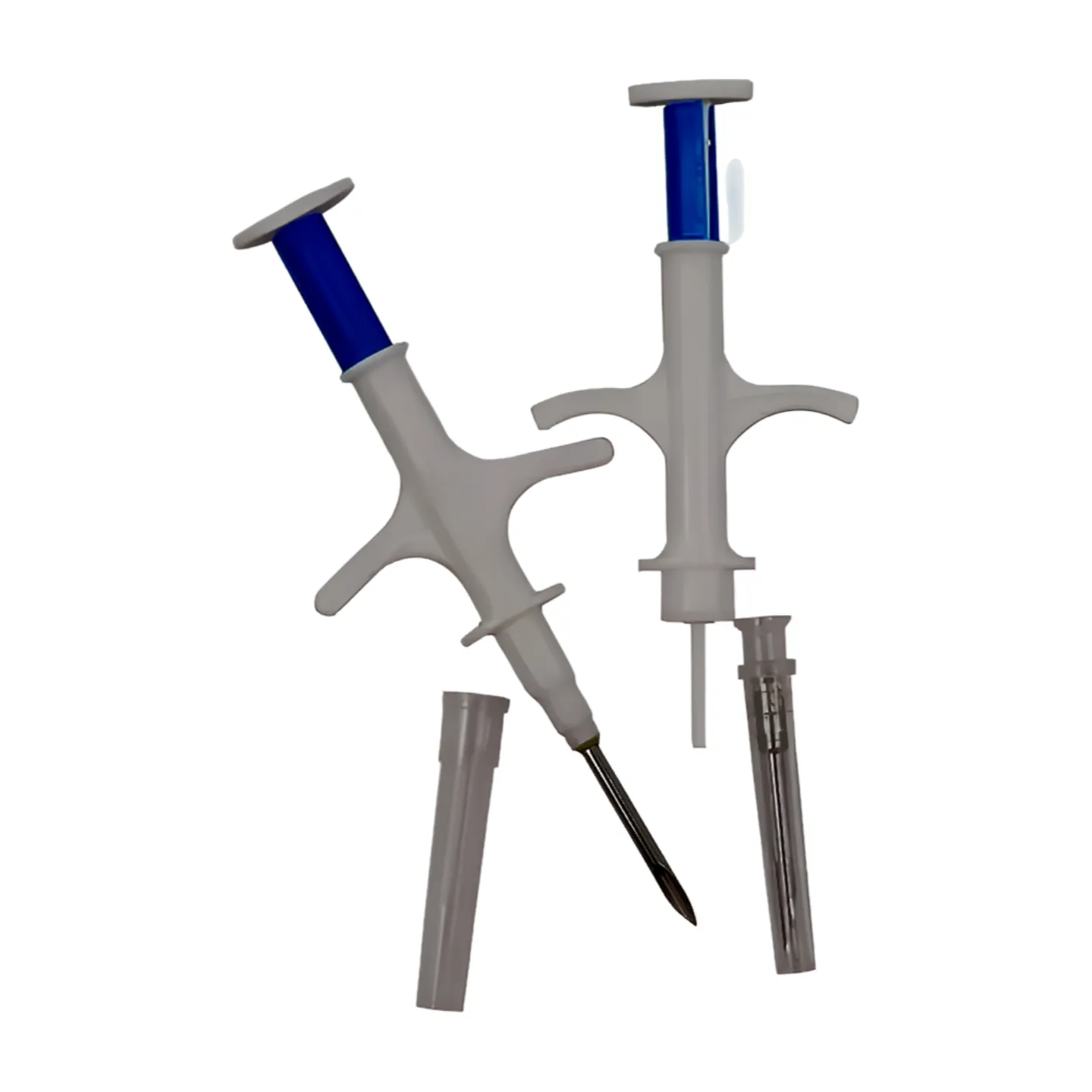
The microchip is implanted subcutaneously using a pre-sterilized, single-use applicator syringe, typically in the standard location for the species (e.g., left side of the neck). The procedure is quick, similar to a standard vaccination. The unique ID number is then recorded in a database along with the animal’s details. Authorized personnel can later scan the animal with a 134.2 kHz reader to retrieve this number and access the associated records.
Conclusion
The 134.2 kHz RFID microchip is the global technological standard for permanent animal identification. Its combination of international compliance, reliable performance, and safe design makes it an indispensable tool for enhancing animal welfare, ensuring food safety, improving operational efficiency in livestock production, and protecting pets. By providing a lifelong, tamper-proof link between an animal and its digital records, it forms the foundation for modern, responsible animal management systems.