
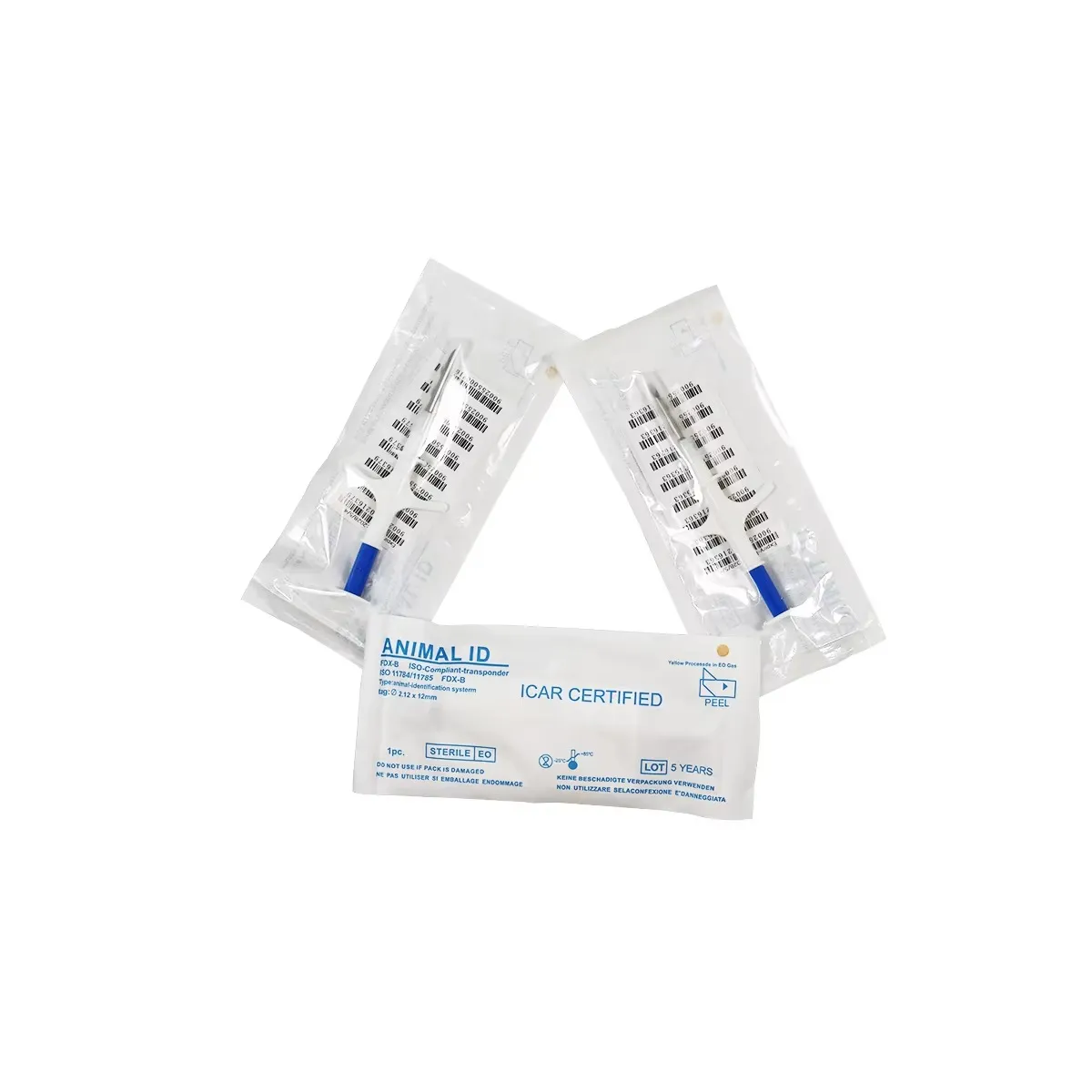
Animal Tracking Microchips: A Complete Guide to RFID Implantable Chips for Pets and Livestock
What Are Animal Tracking Microchips?
Core Technology Behind RFID Animal Microchips
These are passive, syringe injectable RFID devices designed to store a unique identification code for individual animals. The 134.2 kHz low frequency operating range ensures reliable scanning even through thick fur, skin and tissue, with no internal battery required for operation.
Why Animal Microchips Are Essential for Modern Tracking
Unlike external identification tags that can fall off or become damaged, implantable microchips provide permanent, tamper proof identification. They support lost pet reunification, livestock traceability for regulatory compliance, wildlife population monitoring, and accurate herd health and inventory management.
Core Technical Specifications of Our RFID Animal Microchips
Frequency & Protocol Options (FDX-A, FDX-B, HDX)
All microchips operate at 134.2 kHz, and support FDX-A, FDX-B and HDX communication protocols to match compatibility with most global scanner systems. This broad protocol support makes the chips suitable for use across all major regional animal identification regulatory frameworks.
Chip Models & Biocompatible Materials
Available chip models include EM4305, EM4100, ID and UHF variants to suit different use case requirements. All chips are encased in medical grade bioglass, which is non toxic, non reactive, and prevents migration of the chip within the animal’s body after implantation.
Protocol-Specific Size Variations
Size options are tailored to protocol and animal type: FDX-A chips range from 1.4x8mm for small pets to 4x34mm for large livestock, while HDX chips range from 2x12mm to 4x34mm for wildlife and commercial livestock applications.
Lifespan & Durability
Each microchip has a minimum service life of 10 years, with fully sealed construction that resists damage from bodily fluids, temperature fluctuations and normal physical movement of the host animal.
Key Benefits of ICAR-Certified Animal Tracking Microchips
Global Compliance with ISO 11784 11785 Standards
ICAR certification and adherence to ISO 11784 and 11785 standards ensure the chips are recognized by regulatory bodies, animal shelters and veterinary clinics worldwide. This eliminates compatibility issues for cross border animal transport or trade.
10 Plus Years of Reliable Performance
The passive RFID design requires no battery replacement, and the sealed bioglass casing ensures consistent, error free identification for the full lifespan of most companion and commercial livestock animals.
Safe, Vet-Approved Implantation
All chips are supplied pre loaded in sterile, single use syringes for fast, minimally invasive implantation that can be completed during routine veterinary visits, with no recovery period required for most animals.
Applications of Injectable Animal Microchips
Pet Tracking & Lost Pet Reunification
Implanted microchips provide a permanent link between pets and their owners, enabling animal shelters and veterinary clinics to scan lost animals and contact registered owners quickly, significantly increasing reunification rates.
Livestock Herd Management & Traceability
For livestock operations, microchips support individual animal identification for health tracking, inventory management, breeding program administration, and compliance with food safety and livestock traceability regulations.
Wildlife Conservation & Monitoring
Researchers and conservation teams use microchips to track wild animal populations, monitor migration patterns, track individual animal health, and assess the success of conservation programs over multi year periods.
Implantation & Post-Care Guidelines
Syringe Injectable Implantation Process (For Veterinarians)
Implantation requires no surgical procedure: first scan the empty syringe to confirm the unique ID code, clean the injection site usually the scruff of the neck for small animals, or ear base for livestock, insert the pre loaded syringe under the skin, depress the plunger to release the chip, and scan the animal again to confirm the chip is functioning correctly.
Post-Implantation Care for Animals
Most animals experience no adverse reactions after implantation. Owners or handlers should avoid touching the injection site for 24 hours, and monitor for rare signs of swelling or irritation, which typically resolve without medical intervention within 2 to 3 days.
How to Choose the Right Animal Tracking Microchip
Selecting the Correct Protocol (FDX-A vs FDX-B vs HDX)
Choose the protocol that matches the scanning hardware already in use at your facility, or the protocol required by your regional animal identification regulatory body. FDX-B is the most widely used global standard for pet and livestock applications, while HDX is preferred for long range scanning in large livestock operations.
Matching Size to Animal Type
Select the smallest size that meets your protocol and scanning range requirements: use 1.4x8mm to 2x12mm chips for small companion animals such as cats, dogs and small mammals, and larger sizes for livestock, equine and large wildlife species.
Prioritizing ICAR ISO Certification
Always select ICAR and ISO certified chips to ensure compatibility with global scanning systems, compliance with cross border transport rules, and eligibility for participation in national animal identification and traceability programs.
FAQs About Animal Tracking Microchips
Are animal tracking microchips safe for all animals? Yes, the medical grade bioglass casing is biocompatible and approved for use in all companion, livestock and wild animal species, with extremely low rates of adverse reaction.
Do microchips require battery replacement? No, the passive RFID design draws power from the scanner during reading, so no internal battery is required, eliminating the need for replacement over the chip’s lifespan.
Can any scanner read these microchips? Scanners that support the 134.2 kHz frequency and the relevant protocol (FDX-A, FDX-B or HDX) will read the chips correctly. ICAR certified chips are compatible with all standard global animal identification scanners.
Will the chip migrate inside the animal’s body? The bioglass casing is designed to bond with surrounding tissue after implantation, preventing migration in over 99 percent of cases, with the chip remaining in its original placement site for its full service life.