
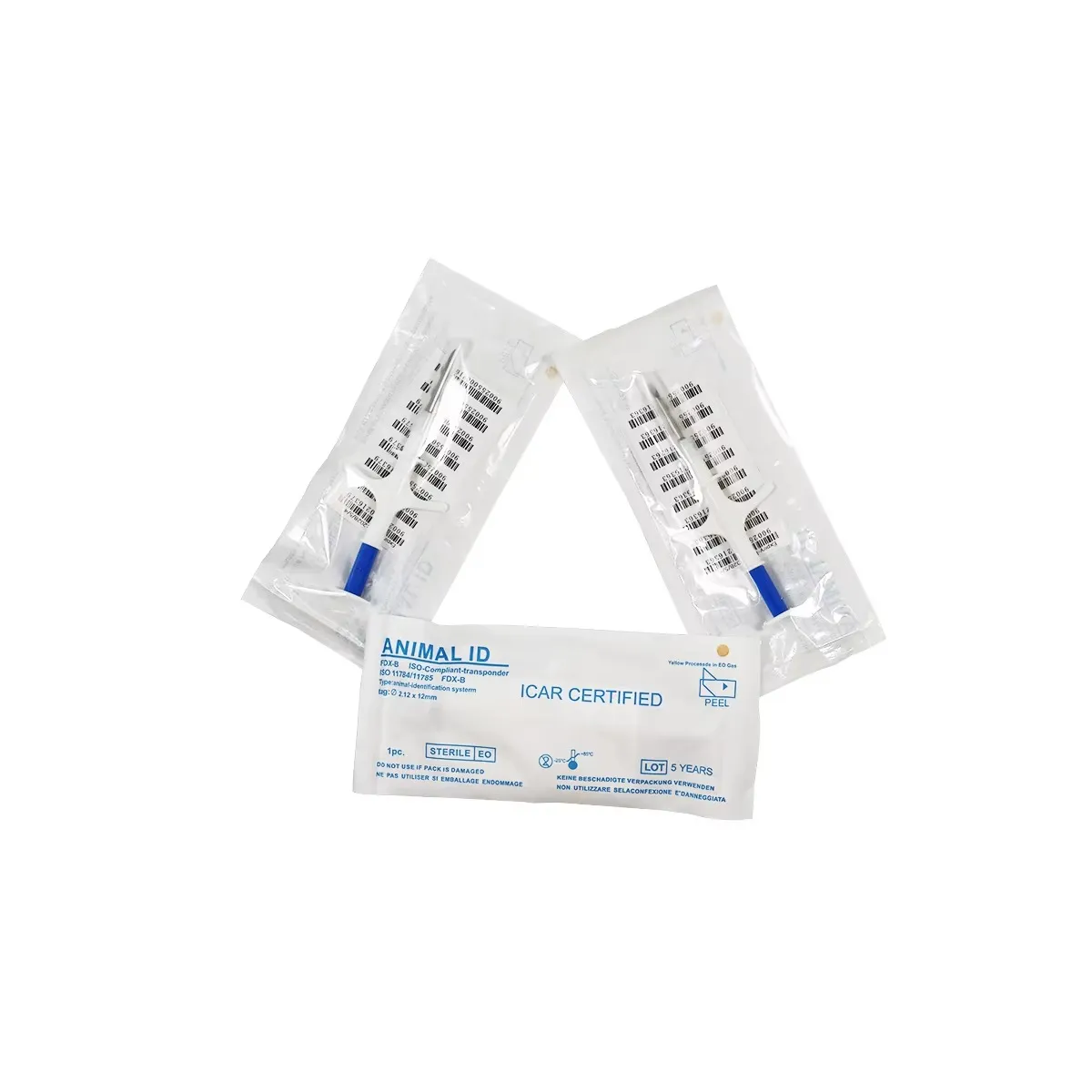
Animal Tracking Microchips A Complete Guide to RFID Identification for Pets and Livestock
What Are Animal Tracking Microchips
Core Technology How RFID Microchips Track Animals
Animal tracking microchips use low frequency RFID technology to store unique identification codes that can be read by compatible scanning devices. The chips do not require an internal power source, as they are activated by the radio signal from a scanner, which transmits the stored ID number for immediate lookup.
Why Animal Microchips Are Essential for Modern Animal Care
These microchips provide permanent, tamper proof identification that cannot be lost or removed like collars or tags. They support fast recovery of lost pets, end to end livestock supply chain traceability, accurate wildlife population monitoring, and adherence to global animal identification regulations.
Core Technical Specifications of Our RFID Animal Microchips
Frequency and Protocol Compatibility
All microchips operate at 134.2 kHz in the LF band, supporting FDX A, FDX B, and HDX protocols that align with global animal identification standards. This wide compatibility ensures the chips work with most existing scanning systems used by veterinarians, shelters, and regulatory bodies worldwide.
Chip Models and Performance
Available chip models include EM4305, EM4100, ID, and UHF variants, each optimized for different use cases ranging from basic pet identification to high volume livestock inventory management. All models deliver consistent read performance across standard operating distances.
Material and Size Options
Every microchip is encased in medical grade bioglass, which is fully biocompatible and prevents migration after implantation. Size options vary by protocol: FDX A chips range from 1.4x8mm to 4x34mm, while HDX chips range from 2x12mm to 4x34mm to suit different animal sizes and implantation requirements.
Lifespan and Reliability
All microchips have a minimum lifespan of 10 years, with no maintenance required after implantation. The sealed bioglass casing protects the internal chip from damage, ensuring consistent performance for the entire lifetime of most animals.
| Parameter | Details |
|---|---|
| Operating Frequency | 134.2 kHz LF Band |
| Supported Protocols | FDX A, FDX B, HDX |
| Compliance Standards | ISO 11784, ISO 11785, ICAR Certified |
| Chip Models | EM4305, EM4100, ID, UHF |
| Casing Material | Medical Grade Bioglass |
| Minimum Lifespan | 10+ Years |
Key Benefits of ICAR Certified Animal Tracking Microchips
Global Compliance with ISO 11784 11785 Standards
ICAR certification confirms that the microchips meet strict international performance and safety standards, making them valid for use in all countries that enforce ISO 11784 and 11785 regulations, including for international pet travel.
Safe Syringe Injectable Implantation
Each microchip comes pre loaded in a sterile, single use syringe for fast, non invasive implantation. The procedure takes only a few seconds, with minimal discomfort for the animal, and can be performed by any trained veterinary professional.
Biocompatible and Long Lasting Design
The medical grade bioglass casing is fully compatible with animal tissue, eliminating risk of adverse reactions or infection after implantation. The durable seal ensures the chip remains functional for over 10 years without requiring replacement or maintenance.
Choosing the Right Animal Tracking Microchip
FDX A vs FDX B vs HDX Which Protocol Is Right for You
FDX B is the most widely used protocol for pet identification and is compatible with most global scanning systems. HDX offers longer read ranges, making it ideal for livestock management applications where animals are scanned from a distance. FDX A is suitable for specialized use cases with legacy scanning equipment.
| Protocol | Typical Use Case | Read Range |
|---|---|---|
| FDX A | Legacy system compatibility, specialized applications | Short to medium |
| FDX B | Pet identification, animal shelters, international travel | Medium |
| HDX | Livestock management, high volume inventory checks | Long |
Size Recommendations for Different Animal Types
Smaller chips (1.4x8mm to 2x12mm) are recommended for small pets such as cats, small dog breeds, and small wildlife species. Medium sized chips (2x12mm to 3x20mm) are suitable for medium to large dog breeds and small livestock such as sheep and goats. Larger chips (3x20mm to 4x34mm) are designed for large livestock including cattle and horses, as well as large wildlife species.
Implantation and Usage Best Practices
Step by Step Syringe Implantation Guide
First, prepare the implantation site by cleaning the area with a suitable antiseptic solution. Insert the pre loaded syringe into the recommended implantation site (subcutaneous tissue between the shoulder blades for most pets, ear or neck for livestock) and depress the plunger to release the microchip. Remove the syringe and apply gentle pressure to the implantation site to prevent bleeding and confirm the chip is properly positioned.
Post Implantation Care and Scanning Tips
No special post implantation care is required for most animals, though owners should avoid touching the site for 24 hours to reduce risk of infection. Always use a compatible scanner to verify the chip ID number immediately after implantation, and register the ID number in the relevant national or international animal identification database. Scanning should be done slowly, moving the scanner in a slow, overlapping pattern over the implantation site to ensure accurate reading.
Applications of Animal Tracking Microchips Across Industries
Pet Recovery and Owner Reunification
Microchips enable animal shelters and veterinary clinics to quickly identify lost pets and contact their owners, significantly increasing the likelihood of successful reunification even if the pet has lost its collar or identification tags.
Livestock Management and Supply Chain Traceability
For livestock farmers, microchips support accurate inventory management, disease outbreak tracking, and end to end supply chain traceability to meet food safety regulations. They also enable accurate record keeping for breeding programs and livestock health monitoring.
Wildlife Research and Conservation
Wildlife researchers use microchips to track individual animals for population studies, migration pattern monitoring, and conservation program evaluation. The permanent identification allows researchers to track the same animal over many years without disrupting natural behavior.
Frequently Asked Questions
Are animal tracking microchips safe for animals?
Yes, all microchips are encased in medical grade bioglass that is fully biocompatible, with no risk of adverse reactions or migration after implantation. The implantation procedure is minimally invasive and causes only temporary discomfort.
Do ICAR certified microchips work internationally?
Yes, ICAR certified microchips that meet ISO 11784 and 11785 standards are recognized in all countries that enforce global animal identification regulations, including for cross border pet travel.
How long do animal tracking microchips last?
All microchips have a minimum lifespan of 10 years, with no required maintenance after implantation. Most chips remain functional for the entire lifetime of the animal.
Can any veterinarian implant these microchips?
Yes, any trained veterinary professional can perform the implantation procedure using the pre loaded sterile syringes provided with each microchip.