
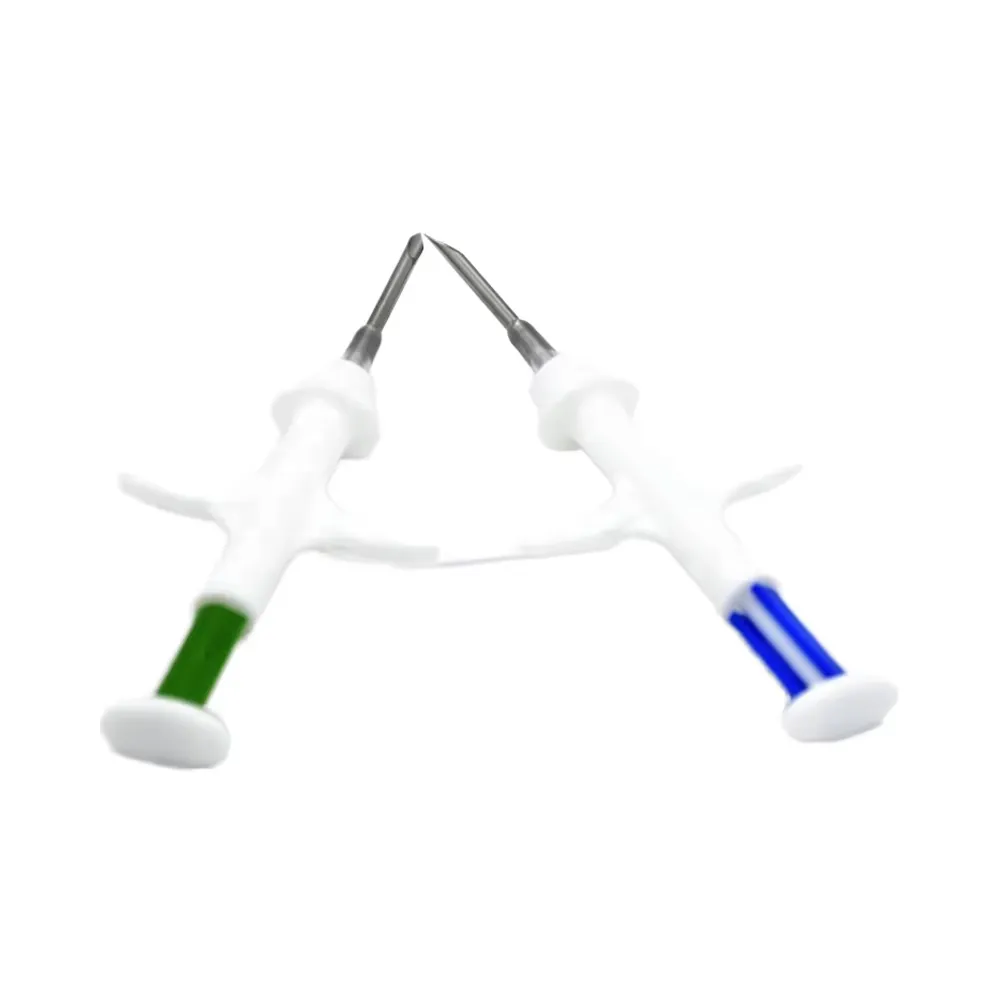
What Are Pet Microchips
Pet microchips are passive RFID implantable devices designed to provide permanent, unalterable electronic identification for companion animals and livestock. The devices operate without an internal battery, drawing power from nearby RFID readers to transmit stored unique identification data when scanned. This technology supports lost pet reunification, pedigree tracking for breeders, and compliance with global animal welfare and cross-border travel regulations.
Core Operating Principle
All pet microchips operate at 134.2 kHz, a global standard frequency for animal identification. When an RFID reader is held within 10 to 15 centimeters of the implantation site, the chip activates and transmits its unique ID number to the reader, which can be cross-referenced with a registered database to access owner and animal details.
Technical Specifications
Pet microchips support multiple industry protocols and chip models to accommodate varied use cases, reader compatibility requirements, and animal sizes. Key specifications are listed below:
| Parameter | Details |
|---|---|
| Operating Frequency | 134.2 kHz |
| Supported Protocols | FDX-A, FDX-B, HDX |
| Chip Models | EM4305, EM4100, ID, UHF |
| Construction Material | Medical grade bioglass |
| Available Sizes | 1.25x7mm for FDX-B, 2x12mm for HDX, additional sizes for varied animal types |
| Implantation Method | Pre-loaded sterile syringe for minimally invasive injection |
| Operational Lifespan | 10+ years with zero maintenance required |
Certification and Standard Compliance
All pet microchips carry ICAR certification and meet ISO 11784/11785 global animal identification standards. These certifications ensure the chip is compatible with RFID readers used in over 100 countries, enabling seamless cross-border travel for pets and universal recognition of identification data for lost animal recovery efforts.
ICAR Certification Benefits
ICAR certification verifies that the microchip meets strict performance, durability, and data security standards, and is eligible for registration in global animal identification databases.
ISO 11784/11785 Compliance Benefits
ISO 11784 specifies the structure of the unique identification number stored on the chip, while ISO 11785 defines the technical communication protocol between the chip and reader. Together, these standards ensure interoperability between all compliant microchips and readers worldwide.
Implantation Guidelines
Pet microchip implantation is a minimally invasive procedure that should only be performed by a licensed veterinarian or trained professional to ensure safety and correct placement.
Implantation Process
The microchip is pre-loaded in a sterile, single-use syringe for immediate use. The standard implantation site for companion animals is the subcutaneous tissue between the shoulder blades. The procedure takes less than 10 seconds to complete, with discomfort levels comparable to a standard vaccination injection.
Post Implantation Care
Minimal post-procedure care is required. Owners should monitor the implantation site for redness or swelling for 24 to 48 hours, and avoid rubbing or applying pressure to the site for 3 days following implantation. The unique ID number on the chip should be registered with a national or global pet recovery database immediately after implantation.
Use Case Recommendations
Pet microchips are suitable for a wide range of animal identification use cases, with protocol and size options tailored to specific needs:
- FDX-B protocol chips are recommended for companion animals intended for international travel, as they are the most widely accepted format across global border control agencies.
- HDX protocol chips are designed for livestock and large animal identification, offering longer read ranges and high resistance to signal interference in farm environments.
- Smaller 1.25x7mm chips are ideal for small companion animals including cats, small dog breeds, and exotic pets, while larger 2x12mm chips are suited for large dog breeds and livestock.
Frequently Asked Questions
Can Pet Microchips Migrate in an Animal’s Body
The medical grade bioglass casing of the microchip is designed to bond with surrounding subcutaneous tissue shortly after implantation, preventing migration in over 99 percent of cases. Rare migration events do not impact the functionality of the chip, as it can be scanned anywhere on the animal’s body.
Are Pet Microchips Safe for Pregnant Animals
Pet microchips have no adverse effects on pregnant animals or developing fetuses, and implantation can be performed safely at any stage of pregnancy as recommended by a veterinarian.
Do Pet Microchips Store Personal Data
Pet microchips only store a unique 15-digit identification number. All owner and animal details are stored in a secure, password-protected external database, with access limited to authorized users such as animal shelters, veterinary clinics, and border control agencies.
Do Pet Microchips Work in All Countries
ICAR and ISO certified pet microchips are compatible with standard RFID readers used in nearly all countries, making them suitable for international pet travel and cross-border animal transport.