
Pet Microchips: The Comprehensive Guide to Permanent, Compliant Pet Identification
What Are Pet Microchips? Core Technology & Functionality
RFID Basics: How Pet Microchips Work
Pet microchips are passive radio frequency identification devices that store a unique, non-replicable identification code linked to a pet owner’s contact information in a secure registry. The 134.2 kHz low-frequency RFID technology requires no internal power source, and activates only when scanned by a compatible reader to display the unique ID associated with the pet.
Key Protocols Explained: FDX-A vs FDX-B vs HDX
These microchips support three global standard animal identification protocols. FDX-B is the most widely adopted international protocol, compatible with nearly all public pet registry and veterinary scanners. FDX-A is used in select regional markets for domestic pet identification, while HDX is optimized for high-volume scanning environments and small livestock management operations. All models are compatible with chip variants including EM4305, EM4100, ID, and UHF for broad infrastructure alignment.
Technical Specifications of Our Certified Pet Microchips
Frequency & Chip Model Compatibility
All microchips operate at a standard 134.2 kHz low frequency, with native support for FDX-A, FDX-B, and HDX protocols. They are fully compatible with common chip models including EM4305, EM4100, ID, and UHF to work with existing scanning, registration, and tracking systems.
Biocompatible Materials & Size Variants by Protocol
Each microchip is encased in non-porous, medical grade bioglass that is fully biocompatible with animal tissue, eliminating risk of allergic reaction, rejection, or post-implantation migration. Size options vary by protocol, ranging from 1.25x7mm for small FDX-B chips suitable for kittens, puppies, and small mammals, up to 4x34mm for HDX chips intended for larger animals and livestock.
Lifespan & Performance Guarantees
The passive RFID design requires no internal battery, delivering a minimum operational lifespan of 10 years with no performance degradation over the product’s lifecycle. All units undergo pre-shipment functionality testing to ensure consistent performance after implantation.
Why Choose ICAR-Certified & ISO-Compliant Pet Microchips?
ICAR Certification for International Recognition
ICAR certification verifies that the microchip meets global animal identification quality standards, with unique IDs registered in the international ICAR database for cross-border recognition. This certification is a mandatory requirement for pet relocation to over 95% of countries worldwide.
ISO 11784/11785 Compliance: Ensuring Global Compatibility
Compliance with ISO 11784 and 11785 standards guarantees that the microchip is readable by all standard-compliant scanners across the globe, eliminating compatibility issues when traveling, accessing veterinary care in new regions, or processing adoptions across jurisdictions.
Pet Microchip Implantation: Process & Best Practices
Syringe Injectable Implantation: Safe & Painless
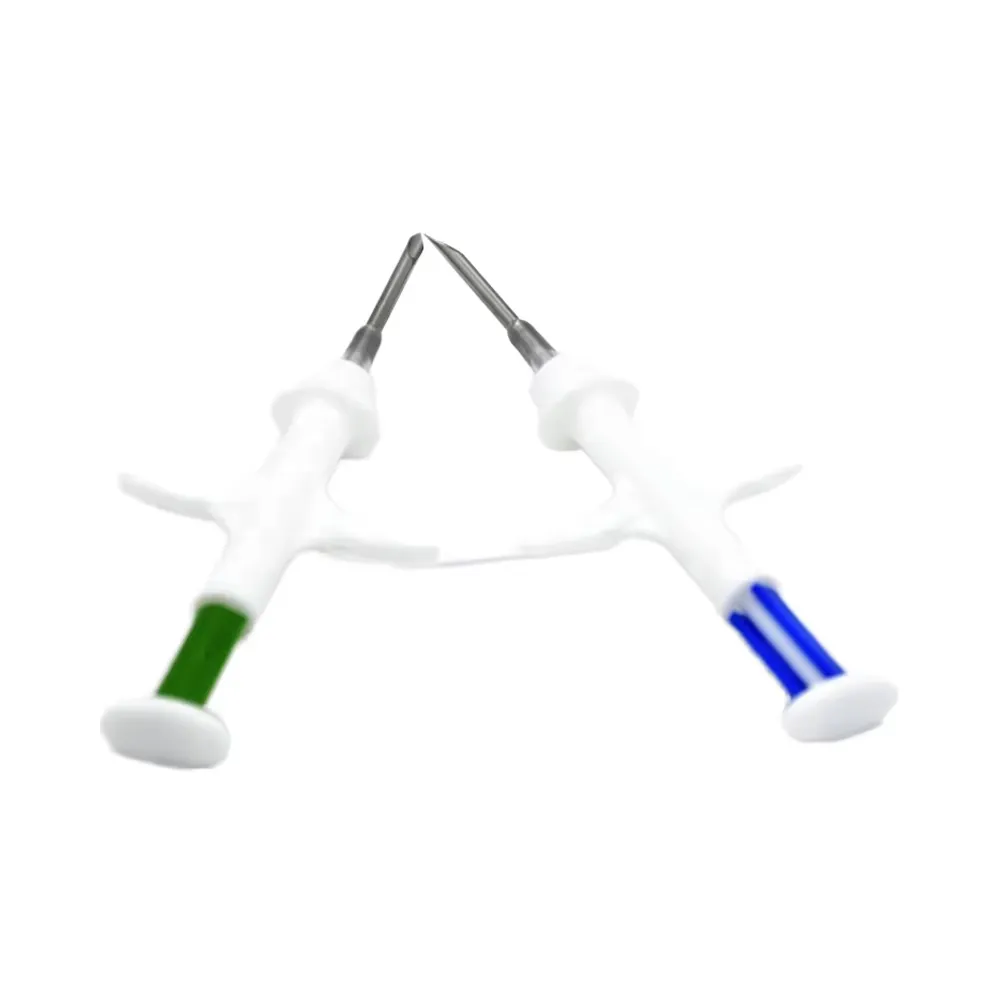
All microchips are supplied preloaded in a sterile, single-use syringe for fast, minimally invasive implantation. The procedure involves injecting the microchip under the loose skin between the pet’s shoulder blades, causing minimal temporary discomfort comparable to a standard vaccination, with no recovery period required.
Who Should Perform Implantation?
Implantation should only be performed by licensed veterinarians or trained, certified animal care professionals to ensure correct placement, reduce risk of complications, and ensure compliance with local animal welfare regulations.
Benefits of Pet Microchips for Owners, Vets & Shelters
For Pet Owners: Peace of Mind & Lost Pet Recovery
Microchips provide permanent, non-removable identification that cannot be lost, altered, or removed like collars and tags, drastically increasing the likelihood of reuniting lost or stolen pets with their owners. Registration information can be updated at any time when owner contact details change.
For Vets & Shelters: Streamlined Identification & Compliance
Certified microchips support standardized pet registration, simplify animal tracking in shelter environments, reduce administrative burden for vaccination and medical record management, and ensure compliance with local animal welfare regulations and international pet travel requirements.
How to Choose the Right Pet Microchip for Your Animal
Matching Size to Pet Breed & Age
Select smaller chip sizes for young pets, small breeds, or small mammals, and larger size variants for adult large breed dogs or livestock, aligned with the protocol selected for your use case.
Protocol Selection for Local/International Use
Choose FDX-B protocol chips for most general use cases and international travel requirements. Select FDX-A chips for regional markets where it is the mandated domestic standard, and HDX chips for small livestock management and high-volume shelter scanning operations.
Technical Specifications Comparison Table
| Protocol | Chip Model Compatibility | Size Range | Recommended Application |
|---|---|---|---|
| FDX-B | EM4305, EM4100, ID, UHF | 1.25x7mm to 2.12x12mm | Dogs, cats, small mammals, international pet travel |
| FDX-A | EM4100, ID | 1.4x8mm to 3x12mm | Regional domestic pet identification |
| HDX | UHF, EM4305 | 3x15mm to 4x34mm | Small livestock, high-volume shelter scanning |
Frequently Asked Questions
Do Pet Microchips Hurt During Implantation?
Implantation causes minimal temporary discomfort equivalent to a routine vaccination, and requires no anesthesia for most healthy adult pets.
Can Pet Microchips Be Tracked In Real Time?
These are passive RFID devices that only store a unique identification number, and do not include GPS or real-time location tracking functionality.
What If My Pet’s Microchip Stops Working?
Microchip failure rates are less than 0.01% under normal use conditions. All units come with a performance guarantee, and free replacement is available for qualified users in the rare event of a malfunction.
International Travel Compliance Guide
For international pet relocation, ICAR certified and ISO 11784/11785 compliant FDX-B microchips are required by 98% of countries worldwide. Always confirm specific microchip and documentation requirements for your destination country a minimum of 3 months prior to planned travel to ensure entry eligibility.
Testimonials
We have used these microchips for over 6 years in our multi-location veterinary practice, with zero reported implantation complications and a 93% lost pet reunion rate for our registered clients. – Licensed Small Animal Veterinarian
These ICAR certified microchips have eliminated cross-border compliance delays for our international pet adoption program, reducing customs processing time for relocating animals by 70%. – Animal Shelter Operations Manager
Order Information
Discounted bulk pricing is available for veterinary clinics, animal shelters, and livestock management operations placing large volume orders. Individual pet owners may contact local licensed veterinary providers to inquire about implantation services using these certified microchips.