
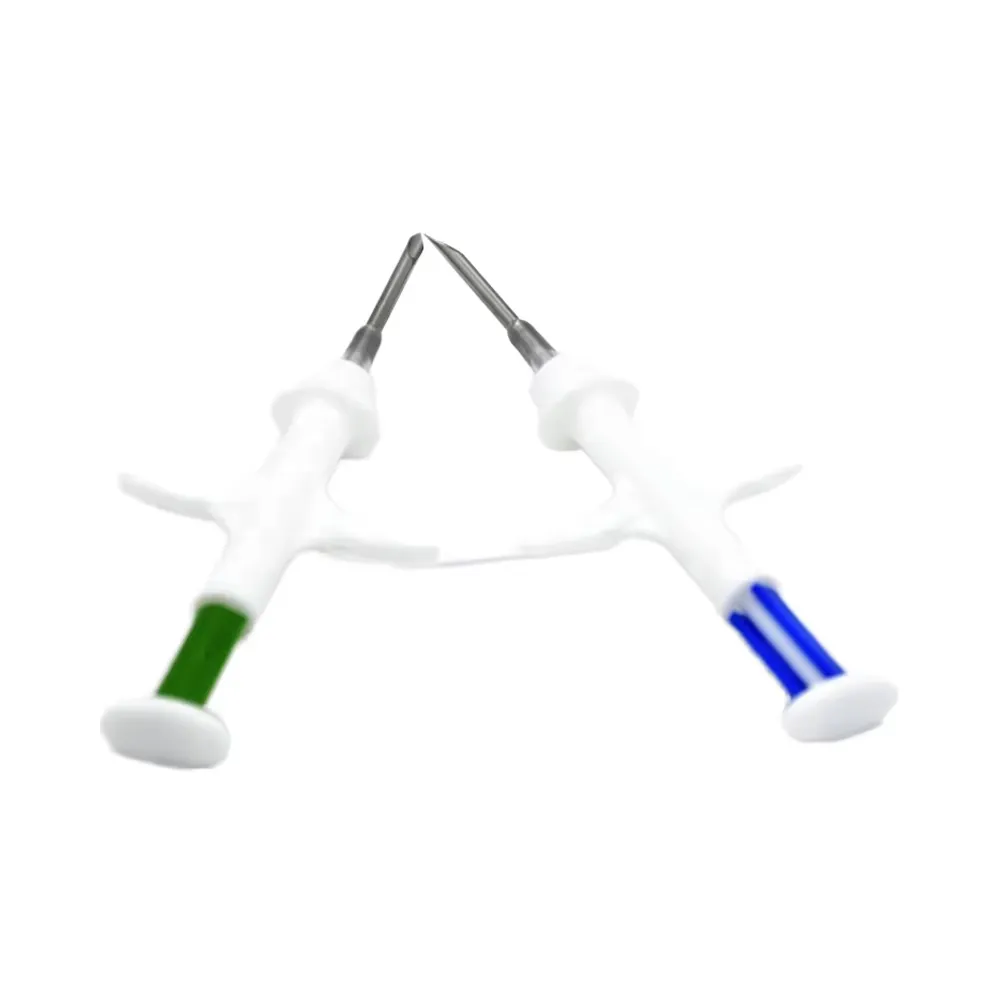
Pet Microchips ICAR Certified RFID Solutions for Reliable Pet Identification and Recovery
What Is a Pet Microchip A Guide to RFID Animal Identification
Core Technology Behind Pet Microchips
Our pet microchips operate on a 134.2 kHz low-frequency RFID platform, supporting FDX-A, FDX-B, and HDX protocols for broad compatibility with common animal scanners. They are compatible with EM4305, EM4100, ID, and UHF chip models to meet varied use case requirements.
How Microchips Help Reunite Lost Pets
Each microchip stores a unique unalterable identification number linked to the pet owner’s contact information in a secure registry. When a lost pet is scanned by an authorized user, the ID number is retrieved to facilitate fast contact with the owner for successful reunification.
Key Technical Specifications of Our Pet Microchips
Frequency and Protocol Compatibility
All units operate at 134.2 kHz, supporting FDX-A, FDX-B, and HDX protocols to align with global scanning standards and eliminate compatibility gaps across different regions and facility types.
Chip Models and Biocompatible Materials
Compatible chip models include EM4305, EM4100, ID, and UHF to suit varied operational needs. Each chip is encased in medical grade bioglass, a non-reactive material that prevents migration after implantation and reduces risk of adverse tissue reactions.
Size Options for Small Medium and Large Pets
Multiple size options are available to accommodate all pet types, including a 1.25x7mm variant for small companion animals such as cats and toy breed dogs, and a 4x34mm variant for large pets and hybrid livestock use cases.
| Protocol | Chip Model | Size | Recommended Use Case |
|---|---|---|---|
| FDX-B | EM4305, EM4100 | 1.25x7mm | Cats, small dog breeds, exotic companion pets |
| FDX-A, HDX | ID, UHF | 2.12x12mm | Medium to large dog breeds, shelter animals |
| HDX | UHF | 4x34mm | Large livestock, working animals |
Why ICAR and ISO Certification Matters for Pet Microchips
ISO 11784 11785 Global Compatibility for Scanners
Our pet microchips fully comply with ISO 11784 and ISO 11785 standards, ensuring they can be read by all standard compliant animal scanners in use across the world, eliminating compatibility issues for pets that cross regional or national borders.
ICAR Certification Cross Border Pet Travel Compliance
All units carry ICAR certification, a mandatory requirement for pet entry in most countries that enforce pet identification rules for cross border travel, simplifying customs and import processes for traveling pet owners.
Benefits of Our Syringe Injectable Pet Microchips
10 Plus Year Lifespan Maintenance Free Pet ID
The battery-free passive RFID design delivers a minimum 10 year operational lifespan with no required maintenance, providing permanent reliable identification for the full duration of most companion animal lifespans.
Safe Painless Implantation Process
Each microchip comes pre-loaded in a sterile single-use syringe for fast, minimally painful implantation that can be completed by a licensed veterinarian in a routine office visit with no recovery time required for the pet.
Who Should Use These Pet Microchips
Veterinarians and Animal Clinics
Bulk ordering options and consistent compliance with global standards make these microchips ideal for veterinary practices and animal clinics offering microchipping services to pet owners.
Pet Owners and Animal Shelters
Animal shelters and rescue organizations can use these microchips to register all incoming animals for improved reunification rates, while pet owners gain long term ID security and compliance for cross border travel.
How to Choose the Right Pet Microchip for Your Needs
Matching Protocol to Scanner Compatibility
Confirm the protocol supported by your existing scanning equipment before selecting a microchip variant to ensure reliable reading of implanted chips. All three common protocols are available to align with most standard scanner models.
Selecting the Correct Size for Your Pet
Choose the smallest size suitable for your pet’s species and weight to minimize implantation discomfort, with smaller variants recommended for cats and small dogs and larger variants for large dog breeds and livestock.
Implantation Guide
For Veterinary Professionals
Implant the microchip subcutaneously at the scruff of the neck, between the shoulder blades, using the pre-loaded sterile syringe provided. Dispose of the syringe after single use per standard medical waste protocols.
For Pet Owners
Implantation requires no sedation for most pets, and causes only mild temporary discomfort similar to a standard vaccination. No aftercare is required, though you should register your microchip ID number in a national pet registry immediately after implantation.
Frequently Asked Questions
How long does a pet microchip last
Our passive RFID pet microchips have no battery, and deliver a minimum 10 year operational lifespan with no maintenance required.
Is ICAR certification required for pet travel
ICAR certification is a mandatory requirement for cross border pet entry in the majority of countries that enforce official pet identification rules.
Can a pet microchip be removed or replaced
Microchips are designed for permanent implantation, and can only be removed surgically by a licensed veterinarian if medically necessary.
What is the difference between FDX B and HDX protocols
FDX B is the most common global protocol for companion animal identification, while HDX supports longer read ranges and is often used for livestock and large animal identification.
Pet Identification Method Comparison
| Identification Method | Durability | Risk of Loss | Travel Compliance |
|---|---|---|---|
| Pet Microchip | 10+ year lifespan, no damage risk | Zero, permanent implantation | Meets global ISO and ICAR standards |
| Collar and ID Tag | 1 to 3 year average lifespan, prone to wear | High, collars can fall off or be removed | Not accepted as official ID for cross border travel |
Real World Use Case
A 3 year old golden retriever implanted with our FDX-B pet microchip was found 200 miles from its home after being lost for 14 days. A local animal shelter scanned the microchip, retrieved the owner’s contact information from the national registry, and successfully reunited the pet with its family within 24 hours of being found.
Cross Border Travel Compliance Checklist
To ensure your pet microchip meets cross border travel requirements, confirm the following: the microchip is ISO 11784 and ISO 11785 compliant, the microchip carries ICAR certification, the unique ID number is registered in an internationally recognized pet registry, and you carry a printed copy of your microchip registration documentation for customs review.