
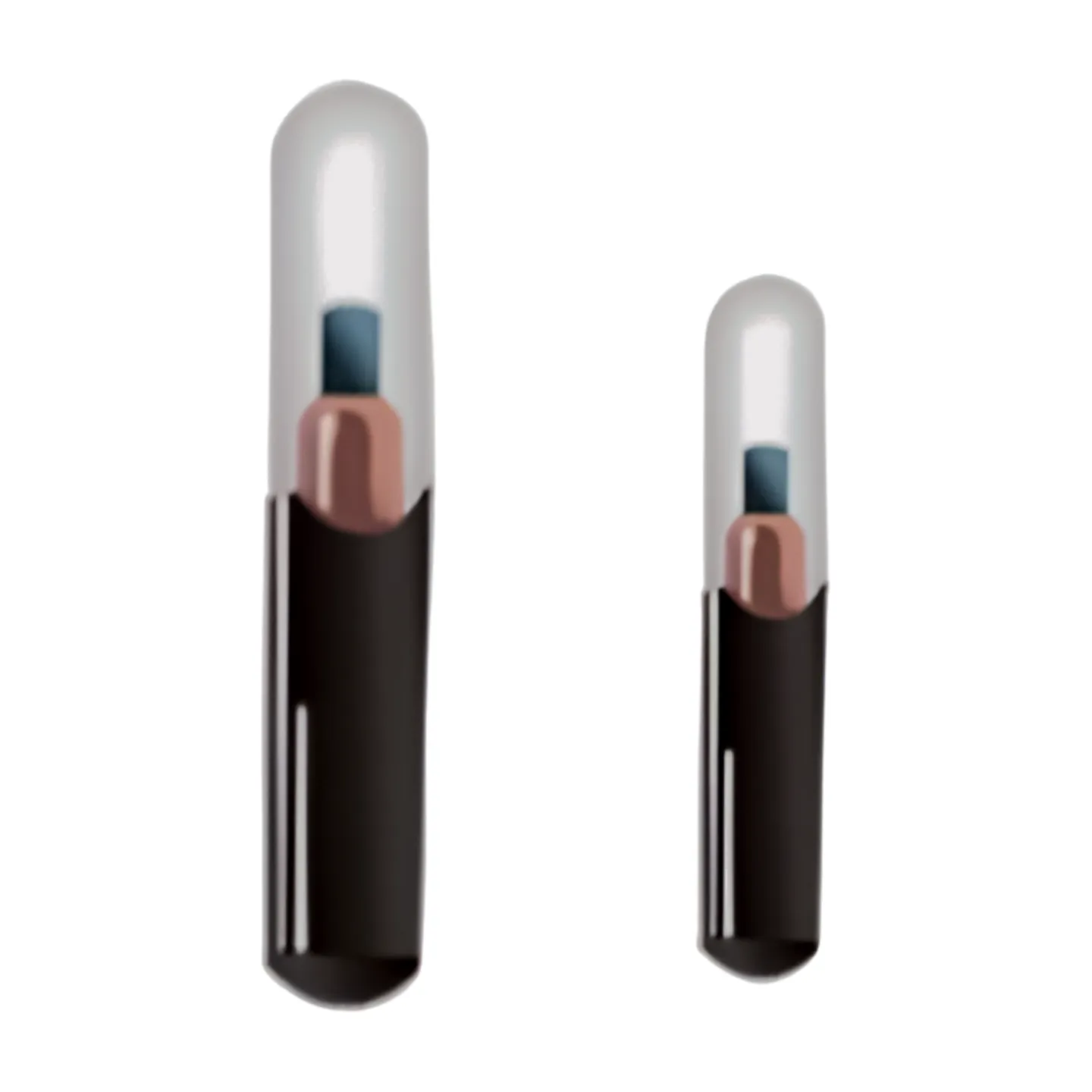
ISO Pet Microchip: Complete Guide to Compliant, Reliable Pet Identification
What is an ISO Pet Microchip?
Definition & Core ISO 11784/11785 Compliance
An ISO pet microchip is a low-frequency passive RFID implant designed for permanent companion animal identification. It adheres strictly to ISO 11784 (identification code structure) and ISO 11785 (technical protocol for readability) global standards, ensuring compatibility with all standard compliant scanners across the world.
Why ISO Certification Matters for Pet Identification
ISO certification guarantees universal readability of the microchip across regions, eliminates re-implantation requirements for cross-border pet travel, and aligns with global animal welfare and pet registration regulatory mandates.
Core Technical Specifications of ISO Pet Microchips
Frequency & Protocol Details (FDX-B/FDX-A/HDX)
The microchip operates at 134.2 kHz low frequency, with support for FDX-B, FDX-A and HDX protocols to match regional regulatory requirements and existing scanner infrastructure for animal identification.
Chip Models & Biocompatible Material
These microchips are compatible with EM4305, EM4100, ID and UHF chip models to suit diverse use cases. Each chip is encased in medical grade bioglass, which is non-toxic, anti-migration, and fully biocompatible with animal tissue to avoid adverse reactions post implantation.
Protocol-Specific Size Options
Size variants are available for each supported protocol, with smaller form factors designed for small companion animals including cats and toy dog breeds, and larger variants optimized for medium to large dog breeds and other non-traditional pets.
| Parameter | Specification |
|---|---|
| Operating Frequency | 134.2 kHz |
| Supported Protocols | FDX-B, FDX-A, HDX |
| Compatible Chip Models | EM4305, EM4100, ID, UHF |
| Material | Medical Grade Bioglass |
| Implantation Method | Syringe Injectable |
| Minimum Operational Lifespan | 10+ Years |
| Certifications | ISO 11784/11785 Compliant, ICAR Certified |
Key Benefits of Choosing ISO-Compliant Pet Microchips
International Recognition for Pet Travel
ISO compliant microchips are recognized by all countries with formal pet import regulations, eliminating the need for additional microchip implantation when traveling across borders with companion animals.
ICAR Certification & Industry Validation
ICAR certification confirms the microchip meets global animal identification performance standards, guaranteeing consistent readability, data integrity, and long-term operational reliability.
Long-Term Reliability (10+ Year Lifespan)
The 10+ year operational lifespan covers the full lifetime of most companion animals, providing a permanent, maintenance-free identification solution for the duration of the pet’s life.
How ISO Pet Microchips Work for Pet Identification
RFID Technology Basics for Pet Implants
The 134.2 kHz low frequency RFID chip is passive, meaning it has no internal power source. It activates only when scanned by a compatible RFID reader, transmitting its unique identification number to the scanner in real time.
Data Storage & Scanner Compatibility
Each microchip stores a unique, non-replicable 15-digit identification number that links to the pet owner’s contact information in a registered pet database. All ISO compliant scanners used by veterinary clinics, animal shelters, and border control agencies can read these microchips globally.
Implantation & Post-Implant Guidelines
Syringe Injectable Implantation Process
Each microchip is preloaded into a sterile, single-use syringe for administration by a licensed veterinarian. The implant is placed under the loose skin between the pet’s shoulder blades in a quick, minimally invasive procedure similar to a standard vaccination.
Post-Implant Care for Pets
No specialized post-implant care is required, other than avoiding excessive pressure on the implant site for 24 hours after the procedure. Pet owners must register the microchip’s unique identification number with a recognized pet registry immediately after implantation to ensure contact information is accessible if the pet is lost.
How to Select the Right ISO Pet Microchip
Matching Size to Pet Type (Small vs. Large Animals)
Select smaller size variants for small dog breeds, cats, and other small companion animals to minimize implantation discomfort. Larger size variants are recommended for medium to large dog breeds to ensure consistent readability over the pet’s lifetime.
Protocol Selection for Regional Compliance
Choose the protocol that aligns with local animal identification regulations. FDX-B is the accepted global standard for most regions, while FDX-A and HDX protocols are required for specific regional use cases and existing scanner infrastructure.
Frequently Asked Questions
Can ISO pet microchips be read by any scanner?
ISO pet microchips are readable by all ISO 11784/11785 compliant scanners, which are standard equipment for veterinary clinics, animal shelters, and border control agencies worldwide.
Is implantation painful for pets?
Implantation causes minimal, temporary discomfort comparable to a standard vaccination, and no anesthesia is required for most healthy pets during the procedure.
What if the microchip stops working?
ICAR certified ISO pet microchips have a documented failure rate of less than 0.01%, and are engineered to operate reliably for 10+ years without maintenance or battery replacement.