
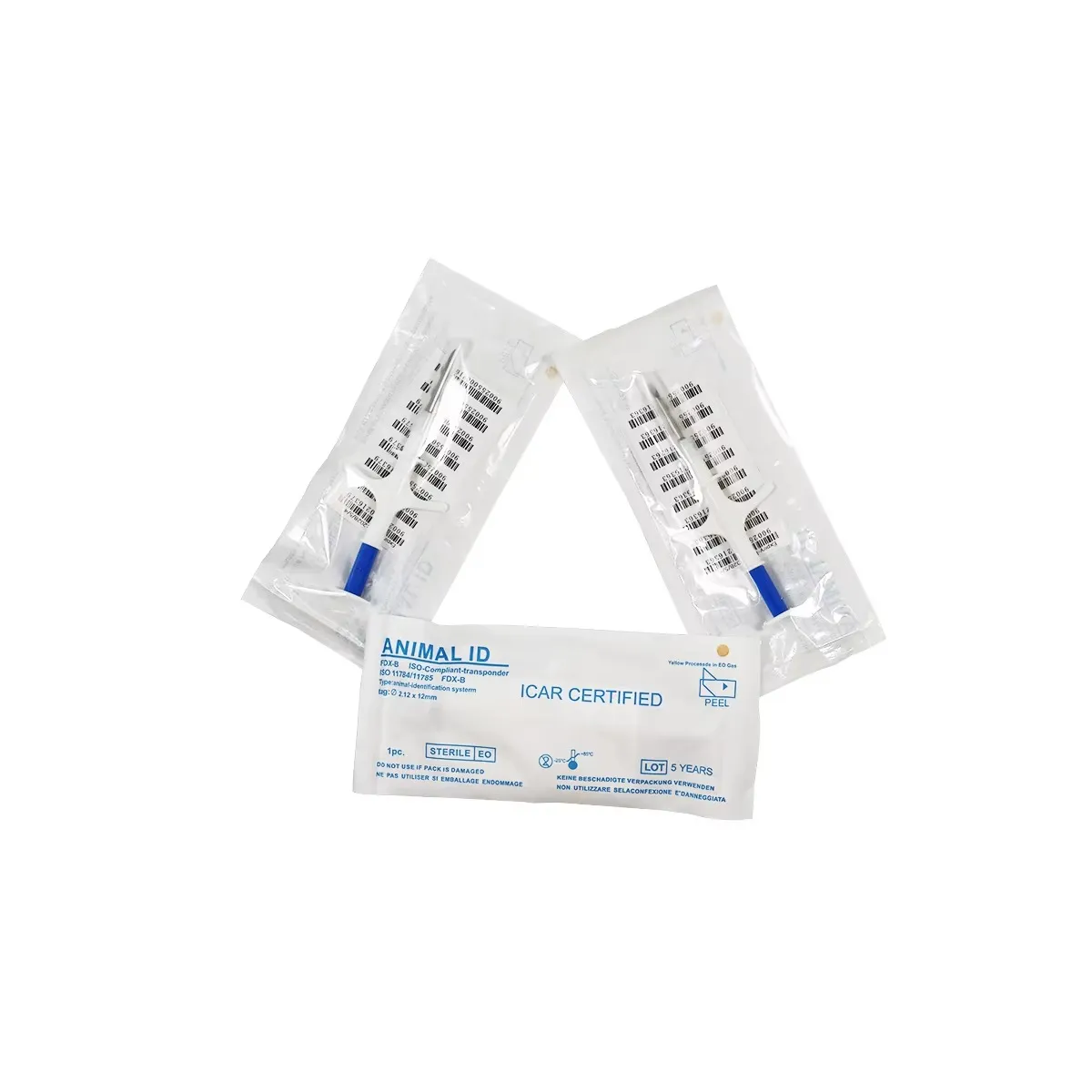
Animal ID Microchips: A Complete Guide to Permanent RFID Animal Identification
What Are Animal ID Microchips?
Animal ID microchips are passive implantable RFID devices that assign a permanent, globally unique identification number to individual animals. The passive RFID technology operates without an internal battery, drawing power from external RFID readers to transmit the stored ID number when scanned. These devices support core use cases including lost pet reunification, livestock traceability, zoo wildlife tracking, and compliance with regional and international animal identification regulations.
Core Technical Specifications of Our Animal ID Microchips
Frequency & Protocol Compatibility
All microchips operate at a standard 134.2 kHz frequency, aligned with global animal identification requirements. They support three industry standard protocols: FDX-A, FDX-B, and HDX, ensuring full compatibility with most commercial RFID readers used across veterinary, agricultural, and regulatory settings. The product line is fully compliant with ISO 11784 and ISO 11785 international animal identification standards.
Chip Models & Biocompatible Materials
The microchip line supports multiple chip models including EM4305, EM4100, ID, and UHF variants to meet varied use case requirements. Every microchip is encased in medical grade bioglass, a non-toxic, tissue-friendly material that minimizes risk of adverse reactions and prevents migration of the chip after implantation.
Size Options by Protocol
Multiple size variants are available to suit different animal types and protocol requirements:
- FDX-B protocol: 1.25x7mm for small companion animals, 2.12x12mm for medium to large animals
- HDX protocol: 3x13mm for livestock and large exotic species
- FDX-A protocol: 2x12mm for general purpose animal identification
Technical Specifications Reference Table
| Parameter | Specification |
|---|---|
| Operating Frequency | 134.2 kHz |
| Supported Protocols | FDX-A, FDX-B, HDX |
| Supported Chip Models | EM4305, EM4100, ID, UHF |
| Material | Medical Grade Bioglass |
| Lifespan | 10+ Years |
| Certifications | ICAR Certified, ISO 11784/11785 Compliant |
| Implantation Method | Pre-loaded Sterile Syringe Injection |
Key Benefits of ICAR-Certified Animal ID Microchips
All microchips in the product line hold ICAR certification, the global gold standard for animal identification devices, ensuring ID numbers are recognized across international borders for cross-border pet travel and livestock trade. The 10+ year operational lifespan eliminates the need for repeated re-implantation over the lifetime of most animal species. The pre-loaded syringe delivery system allows for fast, minimally invasive implantation by qualified veterinary professionals. Each microchip comes with a unique, non-duplicable RFID ID number to guarantee permanent, unambiguous identification of individual animals.
Choosing the Right Animal ID Microchip for Your Needs
Microchips for Companion Pets (Dogs, Cats, Small Animals)
For companion pets including dogs, cats, and small exotic pets, select the 1.25x7mm FDX-B protocol microchip. The small size minimizes implantation discomfort, and the FDX-B protocol is widely supported by pet microchip readers used in shelters and veterinary clinics globally, supporting fast lost pet reunification.
Microchips for Livestock (Cattle, Sheep, Goats)
For livestock management use cases including traceability, herd management, and regulatory compliance, select the 3x13mm HDX protocol microchip or large FDX-B variant. These larger sizes offer extended read range for fast scanning of large herds, and durable construction to withstand the conditions of agricultural environments.
Microchips for Zoo & Shelter Animals
For zoo wildlife tracking and shelter animal management, select the size and protocol variant matched to the species size and regional reader compatibility requirements. The full range of protocol and size options supports use across small shelter animals up to large exotic zoo species, with unique ID numbers to support accurate record keeping and reunification efforts.
Implantation & Post-Care Guide
Syringe Implantation Process for Veterinarians
All microchips are pre-loaded into sterile single-use syringes for implantation by qualified veterinary professionals. The standard implantation process includes:
- Disinfect the implantation site, typically the subcutaneous tissue between the shoulder blades for most species
- Insert the syringe needle at the correct depth and depress the plunger to deliver the microchip
- Withdraw the needle and apply gentle pressure to the implantation site to prevent bleeding
Post-Implantation Verification & Care
Immediately after implantation, scan the microchip with a compatible RFID reader to confirm the ID number is transmitted correctly. Register the unique ID number in the relevant national or regional animal identification database linked to the owner contact details. Monitor the implantation site for 24 to 48 hours for signs of adverse reaction, and advise animal owners to avoid strenuous activity for the first 72 hours post-implantation to allow the chip to settle in place.
Frequently Asked Questions (FAQs)
How long do animal ID microchips last?
The passive RFID design requires no battery, giving the microchips an operational lifespan of 10 years or more, covering the full lifetime of most animal species.
Are animal ID microchips safe for implantation?
All microchips are encased in medical grade bioglass, a biocompatible material approved for long-term implantation in animals, with a very low risk of adverse reaction or migration post-implantation.
Can the microchips be read internationally?
ICAR certification and compliance with ISO 11784/11785 standards ensure the microchips can be read by compatible readers in most countries, supporting cross-border pet travel and international livestock trade.
What readers are compatible with these microchips?
The microchips support FDX-A, FDX-B, and HDX protocols, making them compatible with most standard 134.2 kHz animal RFID readers used in veterinary, agricultural, and regulatory settings.
Why Choose Our Animal ID Microchips?
Our animal ID microchip line offers industry leading reliability and compatibility for all animal identification use cases, with ICAR certification and ISO compliance to meet global regulatory requirements. The wide range of size and protocol options ensures a suitable product for every animal species, from small companion pets to large livestock and exotic zoo animals. The pre-loaded sterile syringe delivery system simplifies implantation for veterinary professionals, and the 10+ year lifespan delivers long term value for bulk buyers including veterinary clinics, livestock operations, animal shelters, and regulatory bodies. For bulk order inquiries or custom specification requests, reach out to our sales team for detailed product information and pricing.