
Everything You Need to Know About Pet Tracking Microchips: Specs, Benefits & Compliance
1. What Are Pet Tracking Microchips?
Core Function: Tracking vs. Permanent Identification
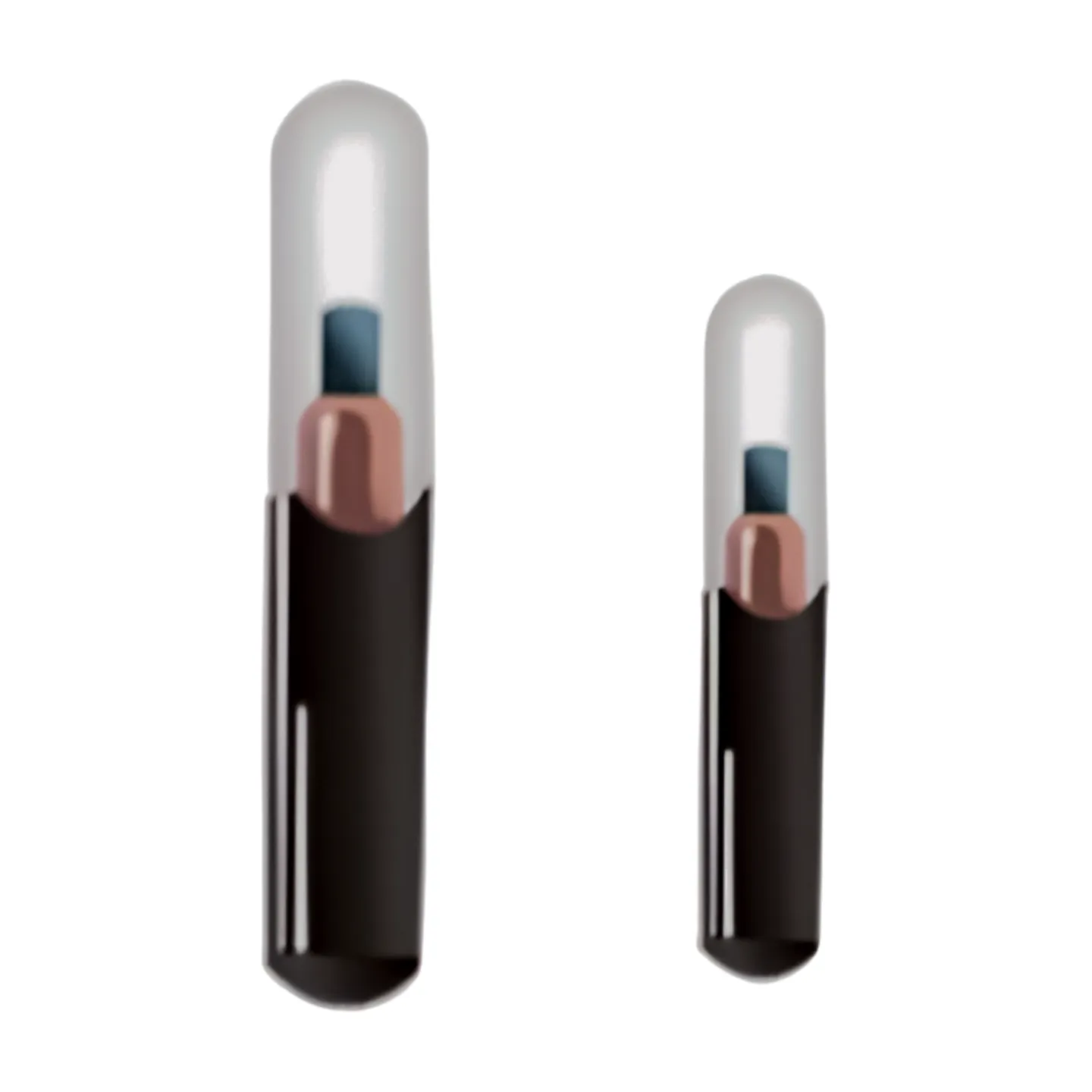
Pet tracking microchips are passive identification devices that store a unique, unalterable ID number linked to a pet owner’s contact information in official databases. They do not provide real-time GPS tracking, but enable fast, accurate identification of lost or stray pets when scanned with compatible readers.
How RFID Technology Powers Pet Microchips
These microchips use passive RFID technology, meaning they have no internal battery. They draw power from the radio frequency signal emitted by a scanner during read operations, and transmit their unique ID number to the scanner instantly when activated.
2. Key Technical Specifications of Pet Tracking Microchips
Frequency & Protocol Breakdown
All standard pet tracking microchips operate at a 134.2 kHz frequency, and support FDX-B, FDX-A and HDX protocols to ensure compatibility with the majority of scanners used in veterinary clinics, animal shelters and border control agencies globally.
Chip Models & Compatibility
Microchips are available in EM4305, EM4100, ID and UHF variants to match different regional scanning requirements, database systems and operational use cases.
Size Options for Different Pet Sizes
Protocol-specific size ranges are available to suit all pet types: FDX-A variants range from 1.4x8mm for small mammals and toy breed pets to 4x34mm for large breed dogs, while HDX variants range from 2x12mm to 4x34mm for companion animal and large animal use cases.
Material & Lifespan Details
All microchips are encased in medical-grade bioglass that is fully biocompatible with animal tissue, and deliver a minimum service life of 10 years with no maintenance required.
3. Certifications & Global Compliance Standards
ICAR Certification: Why It Matters for Pet Registration
ICAR certification guarantees that the microchip meets global animal identification quality standards, ensures unique ID assignment, and confirms compatibility with official pet registration databases across all regions.
ISO 11784/11785: Compliance for International Pet Travel
Compliance with ISO 11784 and ISO 11785 standards ensures the microchip is recognized for cross-border pet travel, meeting the mandatory microchip entry requirements for all countries with regulated pet import rules.
4. Benefits of Using Certified Pet Tracking Microchips
Certified pet tracking microchips offer a range of key advantages over temporary identification methods like collar tags:
- Permanent, unalterable identification that cannot be lost, removed or damaged
- Significantly higher lost pet recovery rates compared to non-chipped pets
- No battery replacement or ongoing maintenance required for the full service life
- Minimal implantation risk and discomfort for pets of all sizes
- Global recognition for pet registration and international travel
5. Implantation Process: Safe & Syringe Injectable
Step-by-Step Implantation Guide
Microchips are preloaded in sterile, single-use syringes for fast, simple implantation by trained veterinary or shelter staff:
- Gently restrain the pet to access the loose skin at the scruff of the neck, between the shoulder blades
- Insert the syringe needle under the skin at the target site
- Depress the syringe plunger to deploy the microchip under the skin
- Withdraw the needle carefully, and scan the site immediately to confirm the microchip is functioning and transmitting the correct ID number
Post-Implantation Care for Pets
No special post-implantation care is required for most pets. Monitor the implantation site for 24 to 48 hours for rare signs of redness or irritation, and avoid excessive touching of the site for 3 days after implantation. The microchip will remain fixed in place under the skin for its full service life.
6. How to Choose the Right Pet Tracking Microchip
Matching Protocol to Regional Standards
Select FDX-B protocol chips for use in the EU, US, and most Western markets. Choose FDX-A protocol chips for select Asian regions, and HDX protocol chips for large-scale companion animal management programs.
Selecting the Correct Size for Your Pet
Choose the smallest size available for your selected protocol for small mammals and toy breed pets to minimize implantation discomfort. Select larger size variants for medium to large breed dogs to improve scan readability at greater distances.
Prioritizing Certified Chips for Travel & Recovery
Always select ICAR and ISO certified microchips to ensure compatibility with global scanning systems, and to meet mandatory requirements for international pet travel and official pet registration programs.
7. Frequently Asked Questions
Q: Do pet tracking microchips require batteries?
A: No, these are passive RFID devices that draw power from the scanner’s radio frequency signal during read operations, so no internal battery is needed.
Q: Is microchip implantation painful for pets?
A: Implantation causes minimal discomfort, similar to a standard vaccination injection, and no anesthesia is required for most pets.
Q: How long do pet tracking microchips last?
A: The microchips have a minimum service life of 10 years, and most remain functional for the full lifetime of average companion pets.
Q: Are these microchips compatible with all scanners?
A: Certified 134.2 kHz pet microchips are compatible with all standard ICAR-compliant scanners used in veterinary clinics, animal shelters and border control agencies worldwide.