
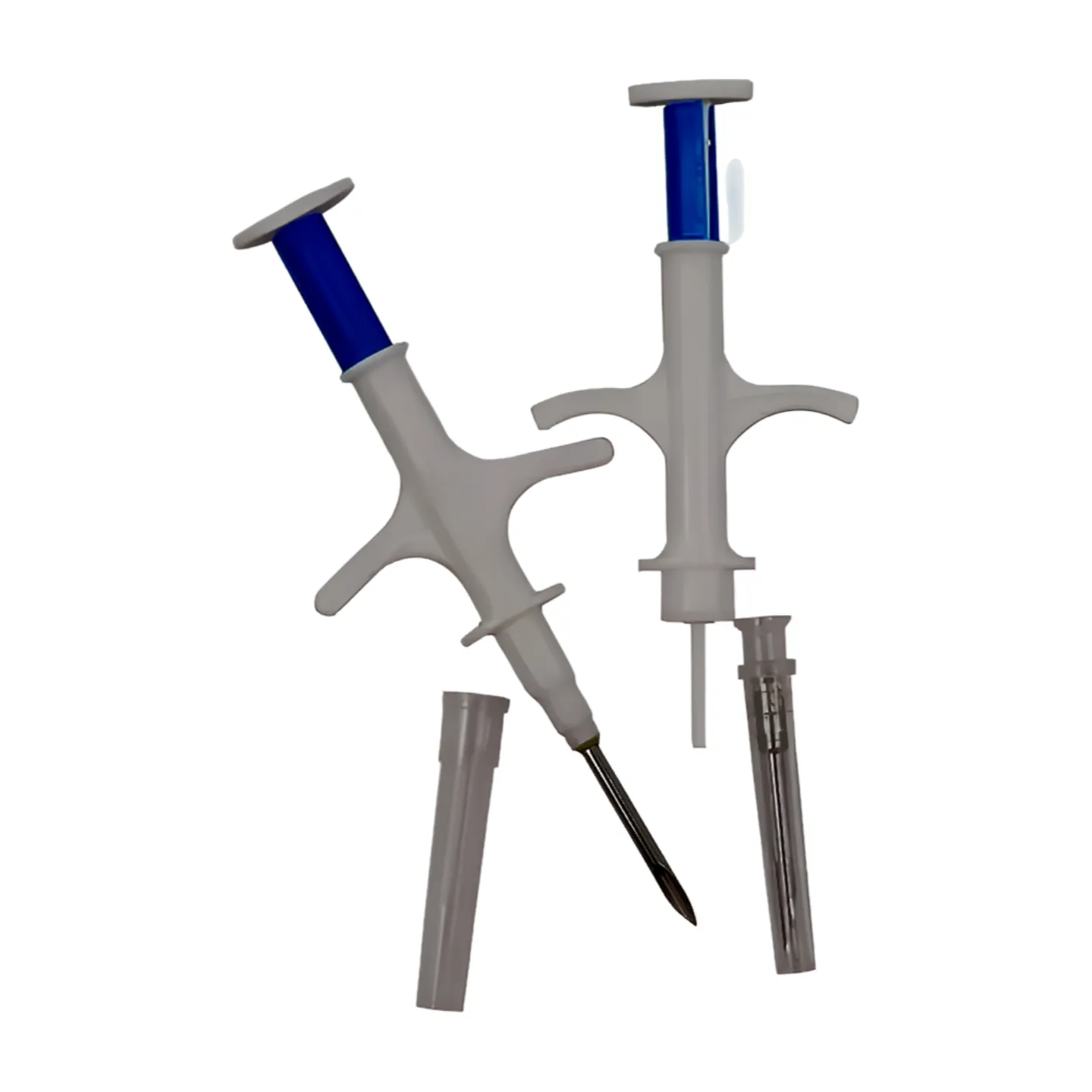
Animal Syringe Injectable Transponder Microchip: Complete Guide for Veterinary Identification
What Is an Animal Syringe Injectable Transponder Microchip?
This product is a low-frequency RFID device delivered via pre-loaded sterile syringe for subcutaneous implantation in animals. Each microchip stores a unique, unalterable identification code that can be scanned with compatible RFID readers to access linked animal data including ownership records, medical history, and regulatory traceability information. The syringe injectable design eliminates the need for complex surgical procedures, enabling fast, minimally invasive deployment by trained veterinary or agricultural professionals.
Core Technical Specifications of Our Injectable Animal Microchips
Frequency & Protocol Compatibility
The microchip operates at a standard 134.2 kHz low frequency, with support for FDX-A, FDX-B, and HDX protocols to align with all common global animal identification systems and scanning hardware. It works with most standard veterinary, agricultural, and regulatory RFID readers used across all regions.
Chip Models & Biocompatible Materials
Available chip variants include EM4305, EM4100, ID, and UHF to accommodate different data storage, read range, and application requirements. All chips are fully encapsulated in medical grade bioglass, which is non-toxic, anti-migration, and fully biocompatible with animal tissue to prevent inflammation, rejection, or movement after implantation.
Size Variants for Different Animal Types
Size options are tailored to each supported protocol: FDX-A variants range from 1.4x8mm to 4x34mm, FDX-B variants range from 1.25x7mm to 4x34mm, and HDX variants range from 2x12mm to 4x34mm, to suit animals of all sizes from small companion birds to large livestock and exotic species.
Lifespan & Durability
The hermetically sealed bioglass encapsulation protects internal chip components from moisture, tissue fluid, and physical damage, delivering a minimum service life of 10 years without requiring battery replacement or regular maintenance for permanent, reliable identification.
Key Benefits of ICAR-Certified Injectable RFID Transponders
Full ICAR certification and compliance with ISO 11784/11785 standards ensure these microchips are valid for cross-border animal travel and regulatory reporting requirements in most countries worldwide. The pre-loaded syringe design reduces implantation time to under 10 seconds per animal, with minimal discomfort for the animal and minimal operational disruption for users. Multiple protocol and size options cover all use cases from individual pet identification to large-scale livestock tracking programs, while the biocompatible material guarantees safe long-term implantation with zero adverse reactions for most animals.
Choosing the Right Microchip: Size & Protocol for Your Animal
Small Pets (Cats, Dogs, Birds)
For small companion animals, select the 1.25x7mm FDX-B variant, which is small enough for minimally invasive implantation in the scruff of the neck, and meets standard international pet travel identification requirements.
Livestock (Cattle, Sheep, Pigs)
For livestock management and traceability applications, choose HDX or FDX-A variants between 2x12mm and 3x12mm, which offer extended read range for fast bulk scanning during farm inventory checks and regulatory traceability audits.
Exotic & Zoo Animals
For large exotic species, zoo animals, or wildlife conservation programs, select larger 4x34mm variants in any supported protocol, which deliver maximum read range and durability for long-term tracking in captive or post-release monitoring programs.
Step-by-Step Implantation of Syringe Injectable Microchips
First, prepare the implantation site by clipping hair if required and disinfecting the skin thoroughly to prevent infection. Hold the pre-loaded sterile syringe at a 45-degree angle to the skin, and inject the microchip under the subcutaneous tissue following standard veterinary guidelines for the target animal species. After implantation, apply gentle pressure to the injection site for 10 to 15 seconds to prevent microchip migration, then scan the site immediately with a compatible reader to confirm the chip is functional and its unique ID is correctly detected. Advise animal owners to monitor the implantation site for redness, swelling, or discharge for 24 to 48 hours after the procedure, and to contact a veterinarian if any adverse symptoms appear.
Real-World Applications of Injectable Animal Microchips
For pet owners and animal shelters, the microchip enables reliable reunification of lost pets with their owners by linking the unique ID to centralized pet registration databases. For livestock farmers, it supports full end-to-end traceability of animals from birth to slaughter, complying with global food safety regulations and enabling efficient inventory management and disease outbreak control. For zoos and wildlife conservation programs, it supports individual tracking of exotic animals, monitoring of breeding programs, and post-release tracking of reintroduced wildlife species. For regulatory bodies, it provides a standardized, tamper-proof method of animal identification to enforce cross-border animal movement rules and control the spread of contagious animal diseases.
Technical Specifications Reference Table
| Protocol | Size Range | Compatible Chip Models | Recommended Animal Type |
|---|---|---|---|
| FDX-A | 1.4x8mm to 4x34mm | EM4305, EM4100, ID, UHF | Livestock, medium-sized animals |
| FDX-B | 1.25x7mm to 4x34mm | EM4305, EM4100, ID, UHF | Small pets, companion animals, international travel |
| HDX | 2x12mm to 4x34mm | EM4305, EM4100, ID, UHF | Livestock, large exotic animals, bulk scanning use cases |
Frequently Asked Questions
Are these microchips compatible with all RFID readers?
These microchips support standard FDX-A, FDX-B, and HDX protocols, so they are compatible with all 134.2 kHz RFID readers that support these global standard protocols. Confirm your existing reader supports the protocol of your selected microchip variant before purchase to ensure full functionality.
Is microchip implantation painful for animals?
Implantation is minimally invasive, similar to a standard vaccination injection, and causes only mild temporary discomfort for most animals. No anesthesia is required for the procedure when performed by a trained professional.
Do these microchips meet international travel requirements?
All ICAR certified variants are compliant with ISO 11784/11785 standards, which are accepted for international pet and animal travel in most countries. Confirm specific identification requirements with your local regulatory authority before scheduled travel.
Compliance Information
All microchip variants hold full ICAR certification and adhere strictly to ISO 11784 and 11785 global animal identification standards. This compliance ensures the microchips are recognized by regulatory authorities, animal registration bodies, and scanning systems across most regions worldwide, making them suitable for both domestic and cross-border animal identification use cases.
Post-Implantation Verification
Immediately after implantation, scan the injection site with a compatible 134.2 kHz RFID reader to confirm the unique ID of the microchip is displayed correctly. Register the unique ID along with the animal and owner details in your chosen national or regional animal registration database within 24 hours of implantation. Rescan the microchip at each subsequent veterinary visit to confirm it remains functional and correctly positioned under the skin.