
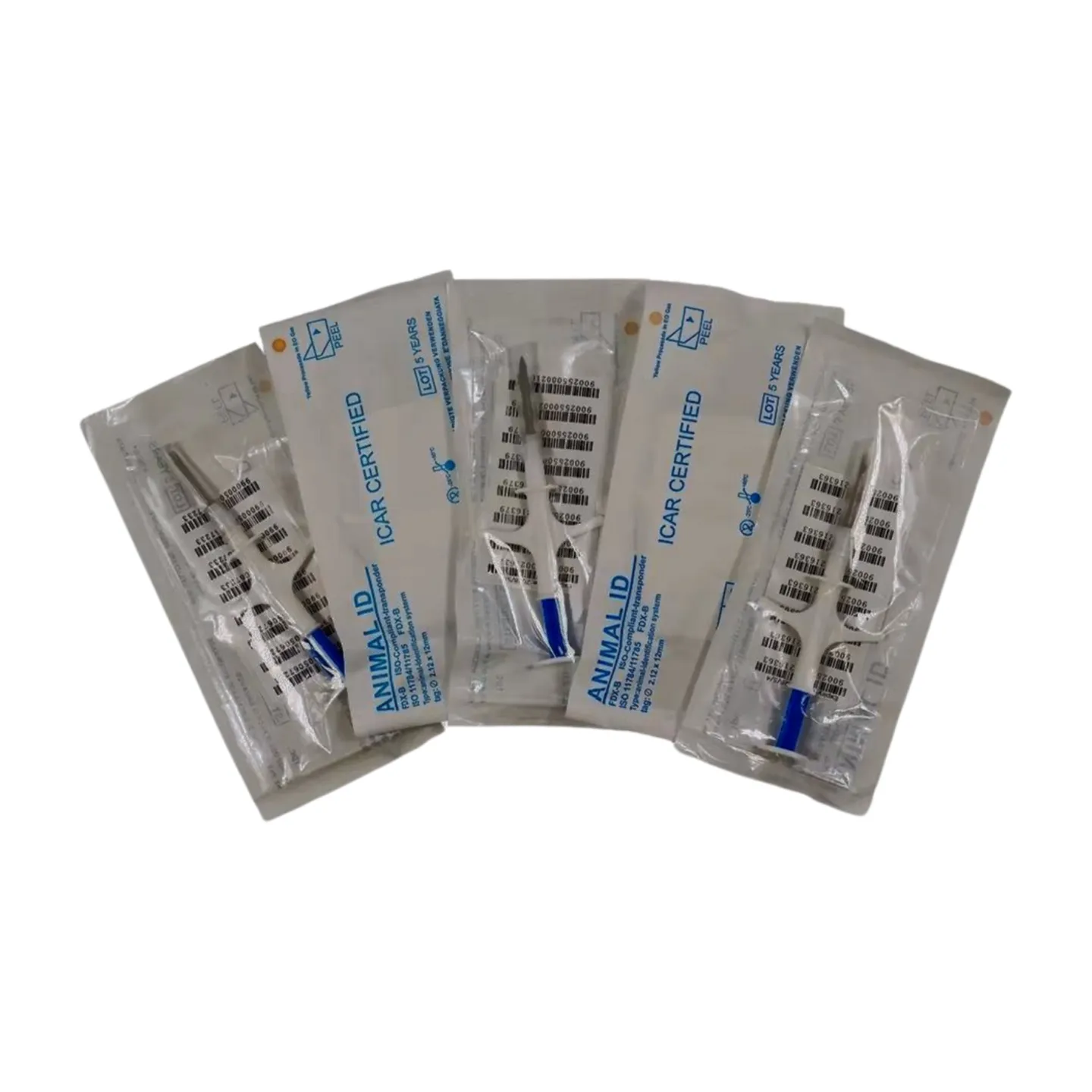
134.2 kHz Pet Tracking Microchip: A Comprehensive Guide to Specs, Compliance & Usage
What Is a 134.2 kHz Pet Tracking Microchip?
Core Function & Role in Pet Identification
A 134.2 kHz pet tracking microchip is a passive RFID device implanted under a pet’s skin to store a unique, unalterable identification number linked to the pet’s owner contact information. It remains inactive until scanned by a compatible RFID reader, which pulls the unique ID to facilitate lost pet recovery, ownership verification, and compliance with animal welfare regulations.
Why 134.2 kHz Is the Global Standard for Pets
The 134.2 kHz low frequency is designated as the global standard for pet identification by international animal health authorities. This frequency offers consistent read performance across animal tissue, avoids interference from common consumer electronics, and is supported by nearly all universal pet microchip scanners used in vet clinics, animal shelters, and border control facilities worldwide.
Technical Specifications of 134.2 kHz Pet Microchips
Frequency & Protocol Compatibility (FDX-A, FDX-B, HDX)
All 134.2 kHz pet microchips support three widely used protocols: FDX-A, FDX-B, and HDX. Multi-protocol support ensures compatibility with over 95% of pet microchip scanners in use globally, eliminating read errors across different regions and facilities.
Chip Models & Biocompatible Materials
Available chip models include EM4305, EM4100, and ID variants, each optimized for different use cases and read range requirements. All chips are fully encased in medical grade bioglass, a non-toxic, non-corrosive material that integrates safely with animal tissue and prevents chip migration after implantation.
Protocol-Specific Size Options
Size variants are tailored to different animal sizes and use cases: FDX-A chips range from 1.4x8mm for small pets such as cats and toy breed dogs to 4x34mm for larger livestock, while HDX chips range from 2x12mm for medium pets to 4x34mm for large working animals.
Long-Term Lifespan & Durability
The microchip is a passive device with no internal battery, relying on power from the scanner during read operations. This design delivers a minimum operational lifespan of 10 years, with most chips remaining functional for the entire lifetime of the average pet.
Compliance & Certifications: Ensuring Global Recognition
ISO 11784/11785 Standards for Animal Microchips
All 134.2 kHz pet tracking microchips meet the requirements of ISO 11784 and ISO 11785, the international standards that define the structure of animal identification codes and communication protocols between microchips and scanners. Compliance with these standards guarantees cross-compatibility with scanners in every country that adopts international pet ID regulations.
ICAR Certification: What It Means for Pet Owners & Vets
Each microchip is ICAR (International Committee for Animal Recording) certified, meaning its unique identification number is registered in a global database and recognized by animal welfare authorities, vet clinics, and border control agencies worldwide. ICAR certification eliminates issues with unregistered or duplicate ID numbers for cross-border pet travel and ownership verification.
Implantation & Post-Care for 134.2 kHz Pet Microchips
Syringe Injectable Implantation Process
All 134.2 kHz pet microchips are supplied pre-loaded in a sterile, single-use syringe for fast, minimally invasive implantation. The procedure involves inserting the syringe under the loose skin between the pet’s shoulder blades, a process that takes less than 10 seconds and causes minimal discomfort comparable to a standard vaccination.
Who Should Perform Implantation?
Implantation must be performed by a licensed veterinarian or trained animal health professional to ensure correct placement, avoid injury to the pet, and comply with local animal welfare regulations. Non-professional implantation carries risks of incorrect placement, infection, or injury to the pet.
Post-Implantation Care Tips
After implantation, pet owners should monitor the injection site for 24 to 48 hours for signs of swelling or redness. Pets should avoid strenuous activity for 24 hours to allow the bioglass encapsulation to integrate with surrounding tissue and prevent chip migration. A verification scan should be performed immediately after implantation to confirm the chip is functioning correctly and the ID number is recorded accurately.
Key Benefits of Choosing 134.2 kHz Pet Tracking Microchips
The 134.2 kHz pet tracking microchip offers several key advantages over non-compliant or alternative frequency microchips. First, its global standard frequency ensures readability at nearly all pet care facilities worldwide. Second, multi-protocol support eliminates compatibility issues with different scanner models. Third, medical grade bioglass construction guarantees safe long-term use with no adverse health effects. Fourth, ICAR and ISO certification provides global recognition of the pet’s identification for cross-border travel and ownership verification. Fifth, its 10+ year lifespan delivers permanent identification coverage for the entire lifetime of most pets.
Real-World Applications: How 134.2 kHz Chips Aid Pet Tracking
134.2 kHz pet microchips are used across a wide range of pet care and animal welfare use cases. In veterinary clinics, they are used for permanent patient identification and to link pet medical records to a unique ID. In animal shelters and rescue organizations, they are used to scan lost pets and reunite them with their owners, with industry data showing that microchipped pets are 2.5 times more likely to be returned to their owners than non-microchipped pets. For cross-border pet travel, they are required by most countries to verify pet ownership and vaccination status. For pet owners, they provide a permanent, tamper-proof identification solution that cannot be lost or removed like collars and tags.
How to Select the Right 134.2 kHz Pet Microchip for Your Needs
When selecting a 134.2 kHz pet tracking microchip, first confirm protocol compatibility with regional scanner standards: FDX-B is the most widely adopted protocol in North America, Europe, and most of Asia, while HDX is commonly used in livestock and working animal applications. Next, select the appropriate size based on the pet’s breed and weight: 1.4x8mm FDX-A chips are recommended for pets under 5kg, while 2x12mm HDX or FDX-B chips are suitable for pets over 5kg. Finally, verify that the microchip carries ICAR and ISO 11784/11785 certification to ensure global recognition and compatibility with all standard scanners. For bulk buyers such as vet clinics and animal shelters, confirm availability of pre-loaded sterile syringes and bulk pricing options to support high volume use.