October 21, 2026
Radio-Frequency Identification (RFID) is a cutting-edge technology that utilizes radio waves to wirelessly identify and track objects, animals, or people. Far more advanced than traditional barcodes, RFID offers unparalleled efficiency, accuracy, and automation for businesses seeking to optimize operations, enhance supply chain visibility, and improve data management across various sectors.
In today’s fast-paced industrial and commercial landscapes, understanding RFID is crucial for unlocking transformative benefits. From real-time inventory tracking to automated access control, RFID systems empower organizations with intelligent data collection, reducing manual errors and boosting productivity.
The Fundamental Principles: How RFID Technology Works
At its core, an RFID system enables contactless data exchange between a tag and a reader. This process occurs through electromagnetic fields or radio waves, allowing for automatic identification without direct line-of-sight.
Key Components of an RFID System
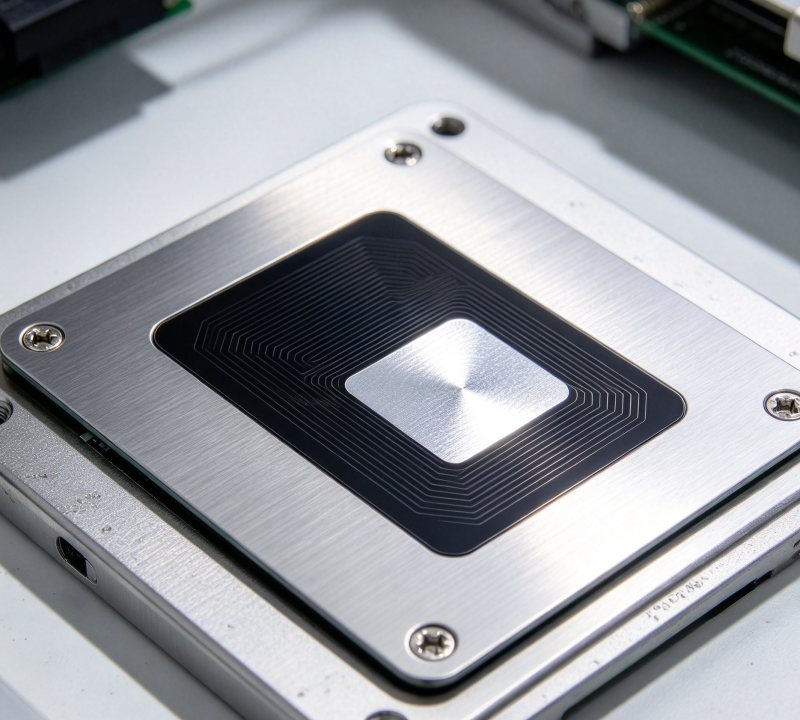
- RFID Tag (Transponder): This consists of a microchip attached to an antenna. The microchip stores unique identifier information and other data. Tags can be passive (powered by the reader’s radio waves) or active (battery-powered for longer read ranges and more data storage). Examples of common chip types include NTAG213 for HF applications (often found in NFC) and EM4305 for LF animal identification, while various Impinj and Alien ICs are prevalent in UHF tags.
- RFID Reader (Interrogator): The reader transmits radio waves to activate the tag and receives data back from it. It’s equipped with an antenna, a transceiver, and a decoder to interpret the tag’s signal.
- Antenna: The antenna facilitates the communication between the reader and the tag, emitting radio waves and receiving signals.
- Software/Middleware: This component processes the raw data captured by the reader, filters it, and integrates it into existing enterprise resource planning (ERP), warehouse management systems (WMS), or other business applications.
When an RFID tag enters the electromagnetic field of a reader, the tag’s antenna collects energy from the reader’s waves (for passive tags), powering its microchip. The chip then modulates the waves to send its unique data back to the reader, which decodes the information and sends it to the software system for analysis and action.
RFID Frequencies: LF, HF, and UHF for Diverse Applications
RFID operates across different frequency bands, each with distinct characteristics that make it suitable for specific applications. Choosing the correct frequency is vital for optimal system performance.
Low Frequency (LF) RFID (125-134 kHz)
- Characteristics: LF RFID offers a short read range (typically up to 10 cm), slower data transfer rates, and is less susceptible to interference from liquids or metals.
- Standards: Relevant standards include ISO 11784 and ISO 11785, primarily used for animal identification.
- Applications: Widely used for animal tracking (livestock, pets), access control systems (key fobs, badges), and car immobilizer systems. The EM4305 chip is a common choice for LF animal tags.
High Frequency (HF) RFID (13.56 MHz)
- Characteristics: HF RFID provides a medium read range (typically up to 1 meter) and faster data rates than LF. It’s often associated with Near Field Communication (NFC) applications.
- Standards: Key standards include ISO/IEC 14443 (for NFC cards, widely used in payment systems) and ISO/IEC 15693 (for longer-range item identification).
- Applications: Ideal for payment systems, public transport ticketing, library management, patient tracking in healthcare, product authentication, and access control. NFC-enabled smartphones often utilize NTAG213 chips for interaction.
Ultra High Frequency (UHF) RFID (860-960 MHz)
- Characteristics: UHF RFID offers the longest read range (up to several meters, or even tens of meters with active tags), very fast data transfer, and the ability to read multiple tags simultaneously (bulk reading). However, it can be more sensitive to interference from liquids and metals, though specialized tags exist to mitigate this.
- Applications: Dominant in supply chain management, inventory tracking, asset management, logistics, retail item tagging, vehicle identification, and real-time location systems (RTLS).
Transformative Business Benefits of RFID Adoption
Integrating RFID into your business processes can lead to significant operational improvements and a strong return on investment:
- Improved Inventory Accuracy: Real-time, precise inventory counts reduce discrepancies, eliminate stockouts, and minimize overstocking.
- Enhanced Supply Chain Visibility: Track items from manufacturing to delivery, gaining end-to-end transparency and optimizing logistics routes.
- Automated Data Collection: Eliminate manual scanning and data entry, reducing human error and freeing up staff for more critical tasks.
- Increased Operational Efficiency: Speed up processes like receiving, picking, packing, and shipping, leading to faster throughput and reduced labor costs.
- Loss Prevention and Security: Monitor asset movement, detect unauthorized removal, and enhance security protocols to prevent theft and counterfeiting.
Real-World RFID Application Scenarios Across Industries
The versatility of RFID technology makes it applicable across a vast array of industries, solving unique challenges and driving innovation:
- Manufacturing & Industrial: Tracking work-in-progress (WIP), managing tools and equipment, automating assembly lines, and ensuring quality control for components.
- Logistics & Supply Chain: Automating warehouse operations, tracking pallets and containers, managing returnable transport items (RTIs), and optimizing freight movement.
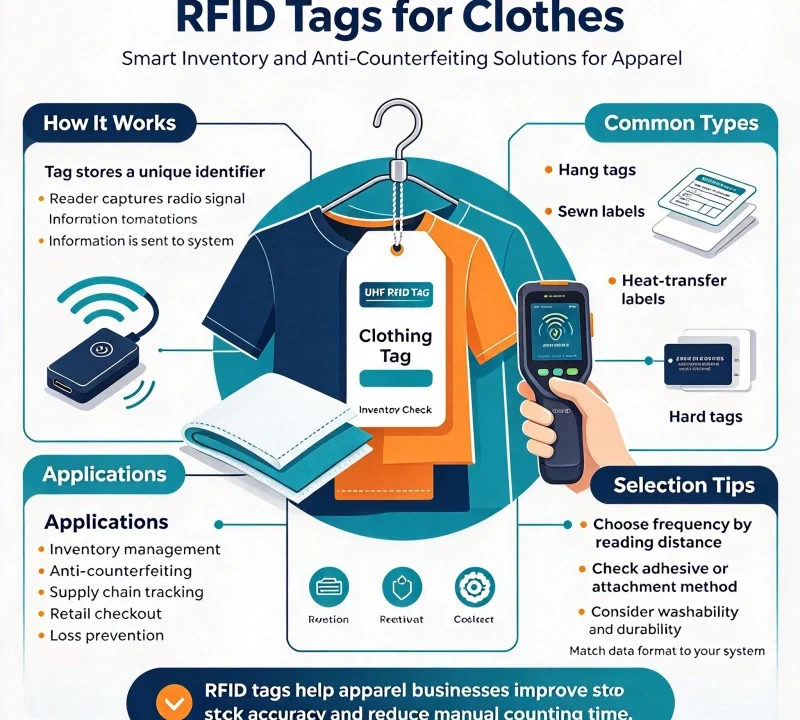
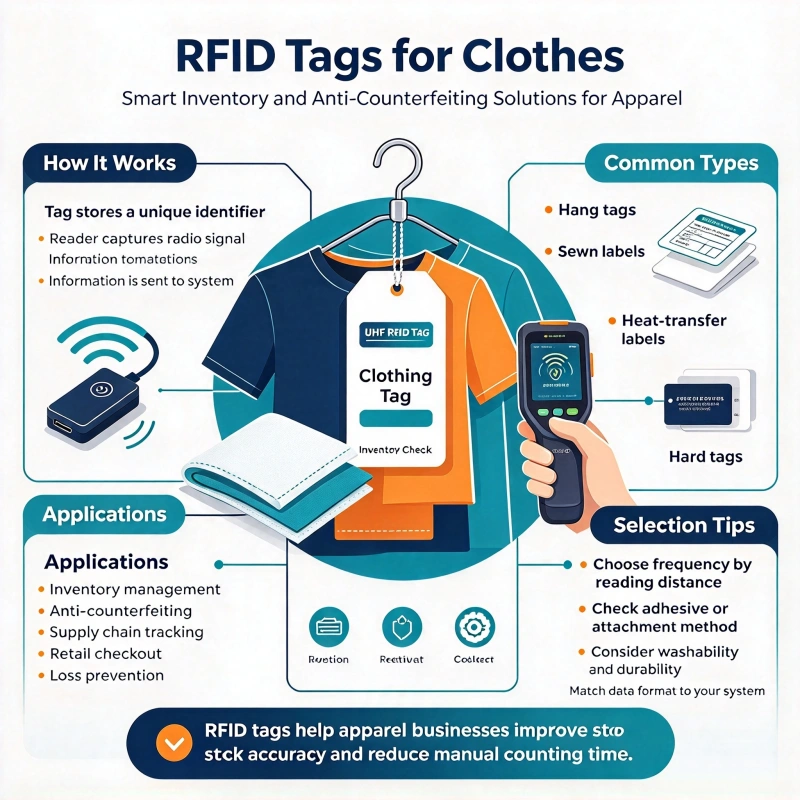
- Retail: Real-time inventory management (reducing out-of-stocks), enhancing customer experience with smart fitting rooms, and improving loss prevention.
- Healthcare: Tracking medical assets (e.g., surgical instruments, wheelchairs), managing pharmaceutical inventory, ensuring patient safety through accurate identification, and blood bank management.
- Access Control & Security: Secure entry for employees, visitor management, vehicle identification for parking facilities, and restricted area access.
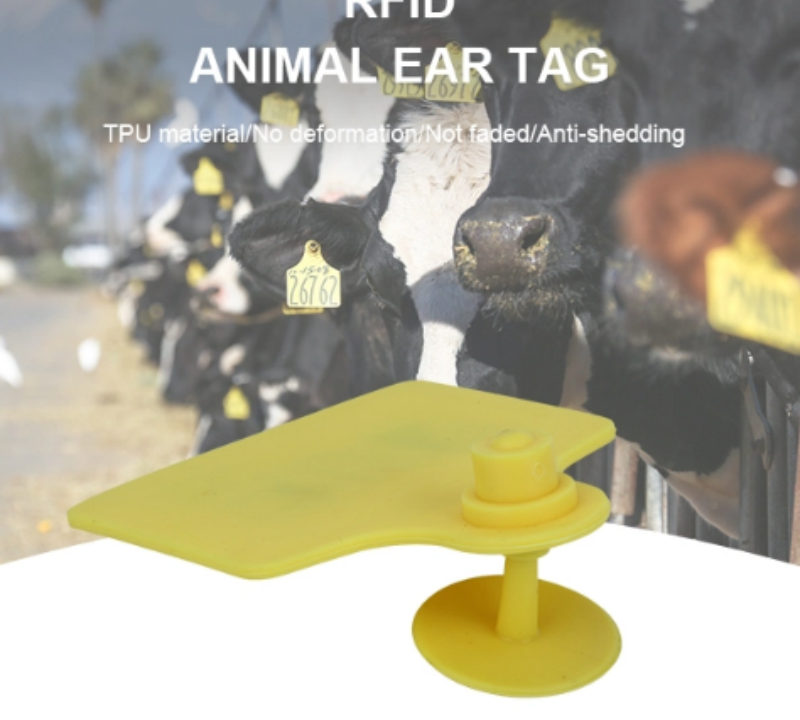
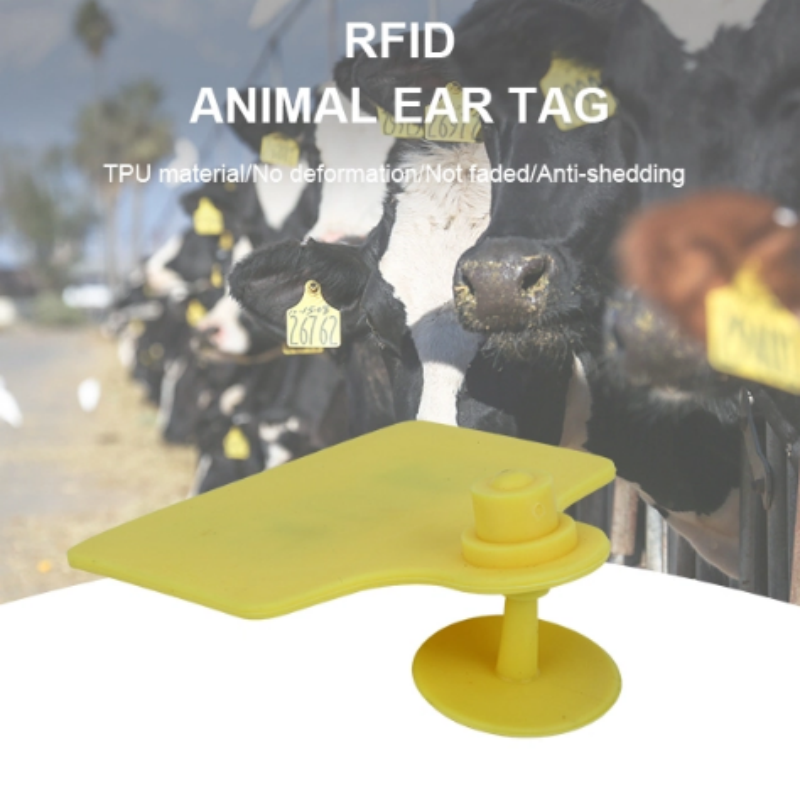
- Animal Identification: Tracking livestock for health and breeding management, pet identification for recovery, and wildlife monitoring (often utilizing LF standards like ISO 11784/11785).
Custom RFID Solutions: Partnering for Performance and Value
Off-the-shelf RFID solutions may not always perfectly match complex business requirements. Partnering with an experienced RFID manufacturer allows for tailored solutions that deliver maximum performance and value.
Customization Capabilities
A reputable RFID supplier offers extensive customization options to meet specific operational needs:
- Logo Printing & Branding: Incorporate your company logo and branding directly onto RFID tags, cards, or labels.
- Unique Identification (UID) & Encoding: Pre-encode tags with specific data, serial numbers, or unique identifiers to streamline deployment and ensure data integrity.
- Material & Form Factor: Choose from a wide range of materials (PVC, PET, paper, metal-mount) and form factors (labels, cards, key fobs, wristbands, rugged tags) designed for various environments and applications.
- Chip Selection: Select the optimal RFID chip (e.g., NTAG213, EM4305, specific UHF ICs) based on memory, security features, and frequency requirements.
OEM/ODM Services
For businesses requiring unique product designs or fully integrated solutions, Original Equipment Manufacturer (OEM) and Original Design Manufacturer (ODM) services are invaluable. This includes collaborative design, engineering, prototyping, and mass production of bespoke RFID products, ensuring seamless integration with existing systems and specific functional demands.
Manufacturing Advantage & Flexible MOQ
Working directly with an RFID factory offers significant advantages:
- State-of-the-Art Production: Access to advanced manufacturing facilities, ensuring high-quality, durable, and reliable RFID products.
- Competitive Pricing: Direct factory pricing eliminates intermediaries, providing cost-effective solutions for your RFID deployments.
- Quality Control: Stringent quality assurance processes at every stage of production guarantee consistent product performance.
- Flexible Minimum Order Quantity (MOQ): While larger orders benefit from economies of scale, many factories offer flexible MOQs to accommodate pilot projects or smaller-scale deployments, providing scalability as your needs grow.
Selecting the Right RFID Solution for Your Operations
Choosing the ideal RFID solution involves carefully considering your specific application, environment, required read range, data needs, and budget. Factors such as tag type (passive/active), frequency (LF, HF, UHF), material, and integration capabilities are critical.
To navigate the complexities of RFID technology and design a system that truly transforms your business, partnering with expert manufacturers and solution providers is key. They can guide you through the selection process, offer customized products, and ensure a successful implementation.

Do RFID is a leading China-based manufacturer with over 15 years of experience. We specialize in customized RFID readers, tags, and cards, delivering high-quality, tailored solutions that meet your unique business needs and drive seamless, efficient identification.