
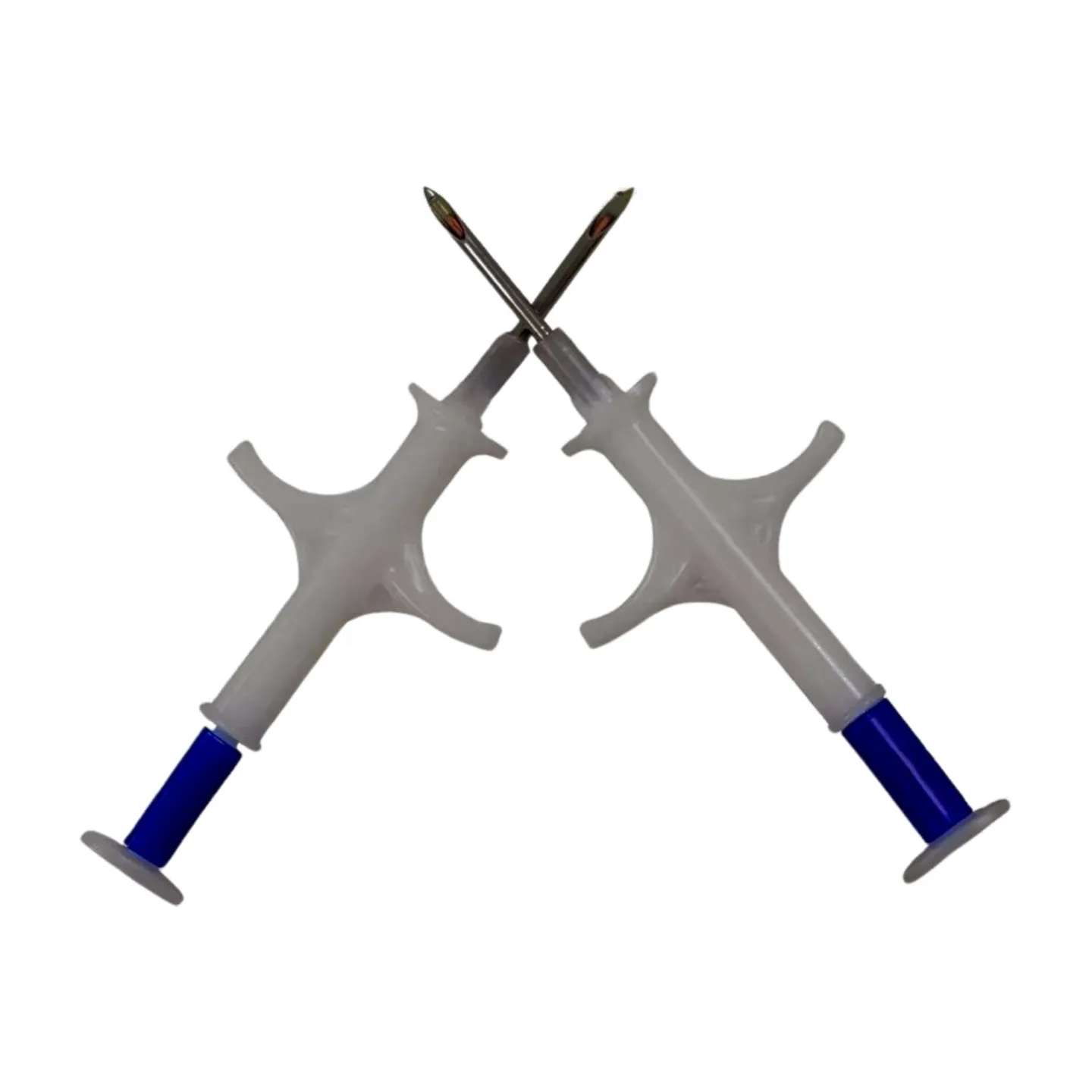
Comprehensive Guide to Temperature Monitoring Implants for Animals
Temperature monitoring implants are specialized RFID devices engineered for subcutaneous insertion in animals. They provide continuous, real-time body temperature data, merging standard pet identification with precise thermal sensing. This technology offers a proactive tool for health management, enabling early detection of fever, infection, or stress for veterinarians, livestock farmers, and pet owners.
Key Features and Technical Advantages
Dual-Function Technology
- Integrated high-accuracy temperature sensor (±0.1°C).
- ISO 11784/11785 compliant RFID identification (134.2 kHz).
- Biocompatible glass encapsulation ensuring safety and longevity.
Continuous Monitoring Capabilities
- Real-time temperature tracking without the need for animal handling.
- Programmable temperature thresholds for instant alerts.
- Long-term data logging to analyze health trends over time.
Robust Design Specifications
- Supplied in a sterile, single-use implantation system.
- Operational lifespan exceeding 10 years.
- Passive operation requiring no internal battery.
- IP68-rated waterproof construction for reliable performance.
How Temperature Monitoring Implants Work
Implantation and Activation Process
The implant is injected subcutaneously using a pre-loaded, sterile applicator. Common sites are between the shoulder blades for pets or the ear base for livestock. Upon implantation, the device becomes active and is ready to transmit data when scanned.
Data Collection and Transmission
A compatible RFID reader powers the passive implant via electromagnetic induction when brought within range (typically 5-15 cm). The implant responds by transmitting its unique ID and current temperature reading. Advanced systems can store historical data and trigger alerts for abnormal values.
Integration with Management Systems
Collected data can be automatically uploaded to veterinary practice software, livestock monitoring platforms, or mobile applications. This integration creates comprehensive health records and facilitates timely decision-making.
Primary Applications and Use Cases
Veterinary Medicine and Pet Care
- Post-operative monitoring for surgical recovery.
- Early fever detection in hospitalized animals.
- Management of chronic conditions like immune disorders.
- Wellness monitoring for senior and at-risk pets.
Livestock Management and Agriculture
- Heat detection for optimizing breeding cycles in dairy cattle.
- Early illness identification within herd health programs.
- Stress monitoring during transport and handling.
- Health surveillance in feedlot and production environments.
Specialized Animal Care
- Health monitoring for research animals in laboratory settings.
- Conservation and health programs in zoos and wildlife reserves.
- Performance and health management in equine sports.
- Optimization of breeding programs across various species.
Technical Specifications and Compatibility
Implant Specifications
- Dimensions: 2.12mm diameter × 12mm length.
- Frequency: 134.2 kHz (ISO 11784/11785 compliant).
- Temperature Range: 25°C to 45°C (77°F to 113°F).
- Accuracy: ±0.1°C within standard physiological range.
- Read Range: Up to 15 cm with a compatible reader.
- Memory: 128-bit read/write capability with temperature logging.
Reader Compatibility
- Operates with ISO-standard FDX-B readers.
- Compatible with most veterinary practice management systems.
- Mobile reader options are available for field use.
- Supports cloud connectivity for remote monitoring solutions.
Benefits for Veterinary Professionals and Animal Owners
Enhanced Animal Welfare
- Minimizes stress associated with manual temperature checks.
- Enables early intervention for developing health issues.
- Provides objective data to support clinical decisions.
- Reduces risks of injury from repeated animal handling.
Operational Efficiency
- Streamlines patient monitoring in clinical environments.
- Reduces labor costs for temperature checks in large operations.
- Integrates seamlessly with existing management software.
- Provides historical health data for improved diagnostic accuracy.
Economic Advantages
- Early disease detection can significantly reduce treatment costs.
- Optimizes breeding efficiency and timing in livestock.
- Decreases mortality rates through proactive health management.
- Improves overall herd or pet health, leading to better outcomes.
Industry Implementation Guidelines
Veterinary Clinic Integration
- Train staff on proper implantation techniques and data interpretation.
- Integrate the system with existing practice management software.
- Educate clients on the benefits and use of continuous monitoring.
- Develop standard operating procedures tailored to different animal species.
Livestock Operation Deployment
- Schedule implantation during routine handling (e.g., ear tagging, processing).
- Set up reader infrastructure at key locations like chutes or milking parlors.
- Integrate temperature data with current farm management systems.
- Establish clear protocols for responding to temperature alerts.
Regulatory and Safety Considerations
- Ensure compliance with all relevant animal welfare regulations.
- Follow proper procedures for disposal of used implantation equipment.
- Establish protocols for data privacy, security, and ownership.
- Note that implantation should be performed under veterinary supervision.
Future Developments and Industry Trends
The field of animal health monitoring is advancing rapidly. Future developments for temperature monitoring implants are expected to include multi-parameter sensors capable of tracking activity, pH, or glucose levels. Trends also point toward extended read ranges for pasture-based systems, more sophisticated data analytics with predictive health algorithms, deeper integration with Internet of Things platforms for holistic herd management, and further miniaturization for use in smaller animal species. These innovations represent the convergence of veterinary science and digital technology, creating powerful tools for proactive animal health management.