
Animal Identification Microchips A Complete Guide to Permanent RFID Animal ID
What Are Animal Identification Microchips
Core Technology Behind RFID Animal Microchips
Animal identification microchips are low frequency RFID devices designed to provide permanent non removable electronic identification for all animal types. The core technology operates at 134.2 kHz, supporting FDX-A, FDX-B and HDX protocols for universal compatibility with global RFID scanners. Available chip models include EM4305, EM4100, ID and UHF to suit different use cases.
How Permanent Electronic ID Works
Each microchip stores a unique unalterable identification number linked to the animal owner or manager’s contact and regulatory records. The number is read via a compatible RFID scanner, with no internal power source required for the microchip to operate. The device remains functional for the lifespan of the animal once implanted.
Core Technical Specifications of Our Animal Microchips
Frequency and Protocol Compatibility
All microchips operate at 134.2 kHz, the global standard frequency for animal identification. Supported protocols include FDX-A for general small animal use, FDX-B for global pet travel and regulatory compliance, and HDX for long range livestock and wildlife tracking applications.
Chip Models and Size Variations by Protocol
Size options vary by protocol to suit different animal sizes. FDX-A and FDX-B models are available in sizes ranging from 1.25x7mm for small companion animals to 4x34mm for large livestock. HDX models are available in sizes from 2x12mm to 4x34mm for herd management and wildlife monitoring use cases.
Material and Lifespan Details
All microchips are encased in medical grade bioglass, a biocompatible material that prevents migration after implantation and reduces risk of adverse reactions. The devices have a rated lifespan of 10 or more years, with no battery or maintenance required.
| Parameter | Details |
|---|---|
| Operating Frequency | 134.2 kHz |
| Supported Protocols | FDX-A, FDX-B, HDX |
| Chip Models | EM4305, EM4100, ID, UHF |
| Material | Medical Grade Bioglass |
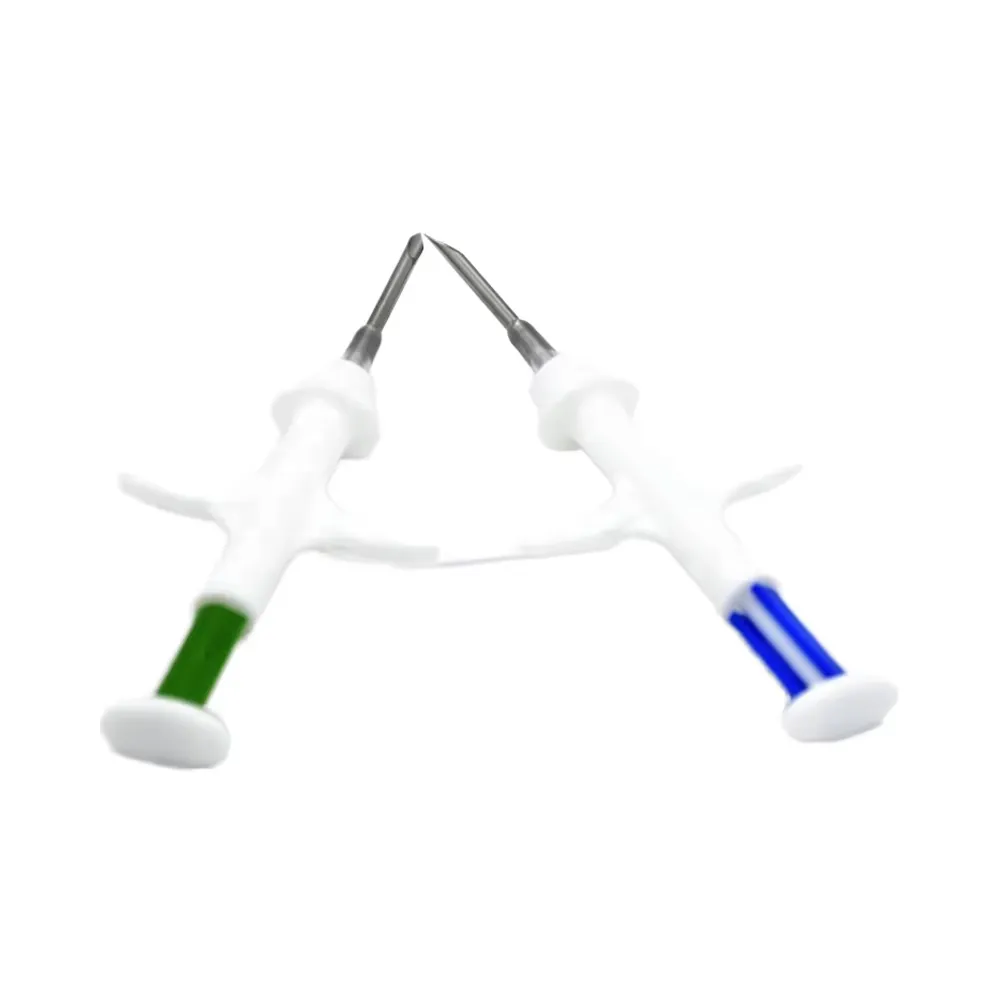
| Implantation Method | Syringe Injectable |
| Minimum Lifespan | 10 Years |
| Certifications | ISO 11784/11785, ICAR |
Key Benefits of ICAR and ISO Compliant Animal Microchips
These microchips offer multiple advantages over traditional identification methods such as tags and tattoos. The permanent ID is tamper proof and cannot be removed or altered, eliminating risk of lost identification. ICAR certification ensures global recognition for pet travel and regulatory compliance across all major markets. The syringe injectable design allows for minimally invasive implantation that can be performed by licensed veterinarians in a routine office visit.
How to Choose the Right Animal Microchip
Size Recommendations by Animal Type
Select size based on the animal’s weight and species. 1.25x7mm to 2x12mm models are recommended for small companion animals including cats, dogs and rabbits. 2x12mm to 3x15mm models are suitable for medium sized livestock such as sheep and goats. Larger models from 3x15mm to 4x34mm are designed for cattle, equines and large wildlife species.
Protocol Selection for Global Compliance
Choose FDX-B protocol for pets that may travel internationally, as it is the required standard for EU pet travel and accepted in most global markets. Select HDX protocol for livestock and wildlife applications where long range scanning is required for herd inventory or field monitoring. FDX-A is suitable for domestic small animal identification where cross border travel is not planned.
Implantation Guide Safe and Effective Syringe Injection
Best Practices for Veterinarians
All implantations should be performed by a licensed veterinary professional. The microchip is preloaded in a sterile single use syringe for immediate application. The standard implantation site for companion animals is the subcutaneous tissue between the shoulder blades. For livestock, the implant site is typically the base of the ear or neck region as specified by local regulatory guidelines.
Post Implantation Care Tips
No special care is required after implantation beyond standard wound care for the injection site. Owners or managers should scan the microchip immediately after implantation to confirm the unique ID number is read correctly. Registration of the ID number with the relevant national or regional animal registry is required to link the animal to owner contact details.
Certification and Regulatory Compliance
ISO 11784 11785 Standards Explained
ISO 11784 specifies the data structure for animal identification microchips, including the unique 15 digit ID number format and manufacturer code allocation. ISO 11785 defines the technical communication protocol between the microchip and scanner, ensuring cross compatibility between devices from different manufacturers.
ICAR Certification Why It Matters for Global Use
ICAR certification is issued by the International Committee for Animal Recording, verifying that the microchip meets all international performance and quality standards. ICAR certified microchips are accepted for all regulatory purposes including pet travel, livestock traceability and wildlife research programs in over 100 countries worldwide.
Real World Applications of Animal Identification Microchips
These microchips are used across multiple sectors. For pet owners, they enable fast reunification of lost pets with their owners. For livestock farmers, they support full herd traceability, inventory management and compliance with national livestock regulation requirements. Animal shelters use the microchips to identify stray animals and verify ownership. Wildlife conservation groups use the devices to monitor animal populations, migration patterns and health status in natural habitats.
Frequently Asked Questions
Q: How long do animal identification microchips last?
A: The microchips have a rated lifespan of 10 or more years, and typically remain functional for the entire life of the animal.
Q: Is the implantation procedure painful for animals?
A: The implantation is minimally invasive, similar to a standard injection, and causes minimal discomfort for the animal.
Q: Can the microchip be read internationally?
A: ICAR certified FDX-B microchips are compatible with scanners in all countries that follow ISO 11784/11785 standards, supporting cross border travel and traceability.
Q: Will the microchip migrate from the implantation site?
A: The medical grade bioglass casing bonds with surrounding tissue after implantation, preventing migration to other parts of the animal’s body.