
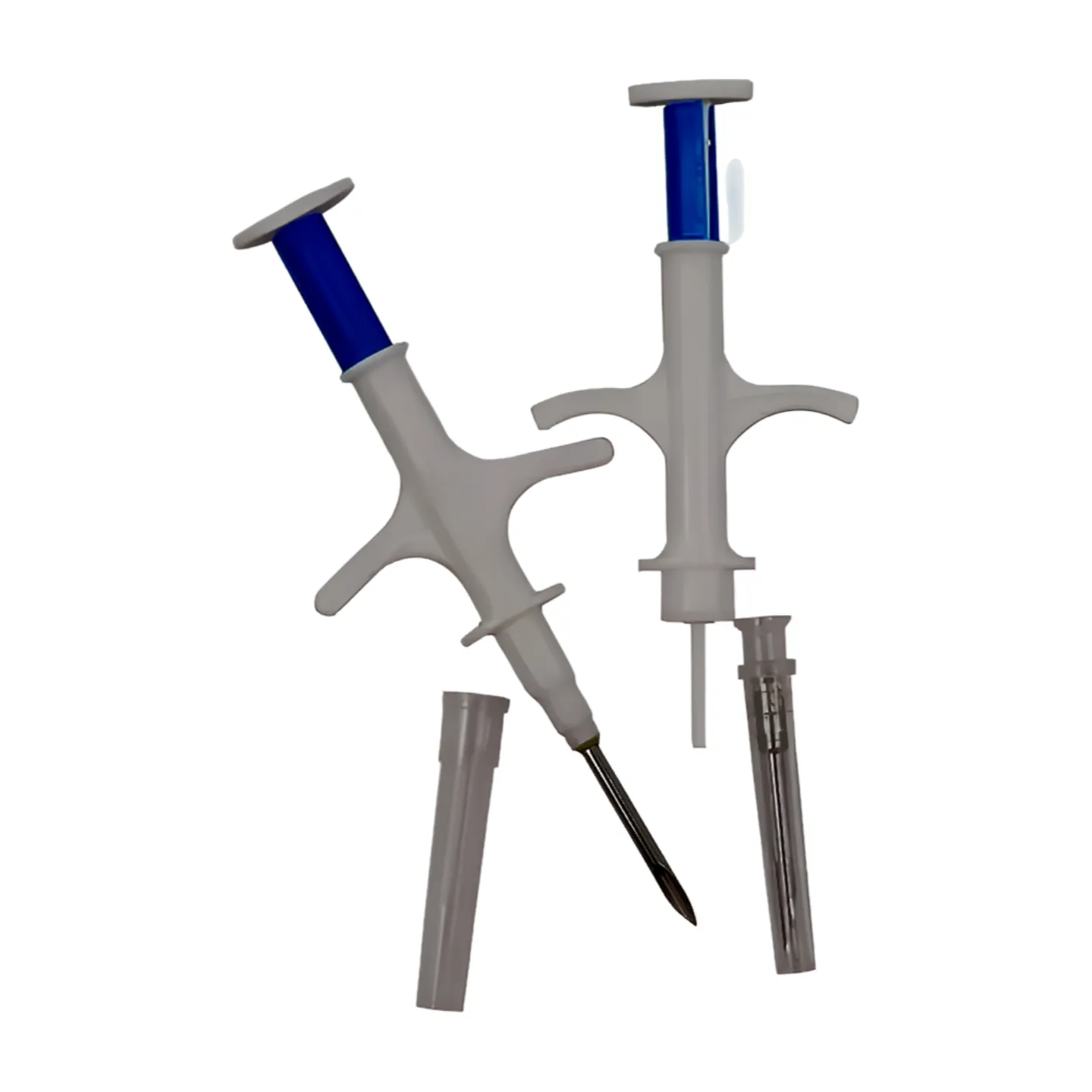
Animal Syringe Injectable Microchips: A Complete Guide to Veterinary Identification Solutions
What Are Syringe Injectable Animal Microchips?
Core Function & RFID Technology Basics
Syringe injectable animal microchips are passive RFID devices designed to store unique identification codes for individual animals. The chips operate at 134.2 kHz, supporting FDX-A, FDX-B, and HDX protocols to ensure compatibility with most standard RFID readers used in veterinary and agricultural settings.
Why Syringe Implantation Is the Preferred Method
Syringe implantation eliminates the need for surgical incisions, reducing procedure time, risk of infection, and discomfort for animals. The preloaded syringe design allows for quick, accurate placement by trained veterinary professionals.
Core Technical Specifications
The table below outlines key technical parameters for all available microchip variants:
| Protocol | Chip Models | Size Range | Operating Frequency |
|---|---|---|---|
| FDX-A | EM4305, EM4100, ID, UHF | 1.4x8mm to 4x34mm | 134.2 kHz |
| FDX-B | EM4305, EM4100, ID, UHF | 1.4x8mm to 4x34mm | 134.2 kHz |
| HDX | EM4305, EM4100, ID, UHF | 2x12mm to 4x34mm | 134.2 kHz |
Material Safety & Lifespan
All microchips are encased in medical grade bioglass, which is non-toxic, biocompatible, and resistant to migration within animal tissue. The devices have a minimum lifespan of 10 years, with no power source required for operation.
Key Benefits
Biocompatible & Safe
The medical grade bioglass casing meets global veterinary safety standards, eliminating risk of allergic reactions or tissue irritation for all animal types.
Non Invasive Implantation
The preloaded syringe design allows for quick, painless implantation by trained professionals, with no post procedure recovery time required for most animals.
Long Term Reliability
Passive RFID technology requires no internal battery, delivering consistent performance for over 10 years to support permanent identification needs.
Global Standard Compliance
All chips are ICAR certified and compliant with ISO 11784/11785 standards, ensuring compatibility with readers worldwide and supporting cross border animal travel and traceability.
Common Applications
Pet Identification & Ownership Verification
Microchips provide permanent proof of ownership for cats, dogs, and other companion animals, enabling quick reunion of lost pets with their owners.
Livestock Management & Traceability
Farm managers use the microchips to track individual livestock, monitor health records, and comply with food safety traceability regulations for cattle, sheep, pigs, and poultry.
Animal Shelter & Rescue Operations
Shelters and rescue groups use microchips to track incoming animals, record medical history, and verify ownership for reclaimed or adopted animals.
Wildlife Conservation
Conservation teams implant microchips in captive and rehabilitated wildlife to track movement, monitor breeding programs, and support species preservation efforts.
Implantation Process Guide
Pre Implantation Preparation
Before implantation, verify the microchip is functional with a compatible RFID reader, confirm the unique ID is correctly recorded, and prepare the implantation site with a standard antiseptic solution.
Syringe Implantation Technique
Trained veterinary professionals insert the preloaded syringe under the animal’s loose skin, typically between the shoulder blades, and depress the plunger to deploy the microchip. The procedure takes less than 10 seconds to complete.
Post Implantation Care
Monitor the implantation site for 24 to 48 hours for signs of redness or swelling. Scan the microchip again post implantation to confirm the ID is readable, and register the unique ID in the relevant national or regional animal identification database.
Certification & Compliance
ICAR Certification
ICAR certification confirms the microchip meets global performance and data integrity standards for animal identification, ensuring the unique ID is universally recognized and cannot be altered.
ISO 11784/11785 Compliance
Compliance with ISO 11784 and 11785 standards guarantees the microchip is compatible with all standard RFID readers used in veterinary, agricultural, and border control settings worldwide.
How to Choose the Right Microchip
Match Protocol to Your Reader
Select a microchip that supports the same protocol as your existing RFID reader to ensure reliable read performance. Most modern readers support all three protocols FDX-A, FDX-B, HDX for maximum flexibility.
Select Appropriate Size
Choose the smallest size that is compatible with your animal species to minimize implantation discomfort. Smaller sizes are recommended for small pets and young animals, while larger sizes are suitable for large livestock and wildlife.
Prioritize Certified Products
Always select microchips that carry ICAR certification and comply with ISO 11784/11785 standards to ensure compliance with local and international animal identification regulations.
Comparison to Alternative Identification Methods
| Identification Method | Permanence | Tamper Resistance | Cross Border Compatibility |
|---|---|---|---|
| Syringe Injectable Microchip | 10+ years | High cannot be removed without surgical intervention | Global compliant with international standards |
| Collar with ID Tag | Variable easily lost or damaged | Low can be removed or altered | Low no universal standard |
| Ear Tag | 3 to 7 years | Medium can be torn or removed | Variable depends on regional standards |
Frequently Asked Questions
Is microchip implantation painful for animals?
Implantation causes minimal discomfort, similar to a standard vaccination injection, and requires no anesthesia for most healthy animals.
Will the microchip stop working over time?
Passive RFID microchips have no internal battery, and the sealed bioglass casing prevents damage from tissue or moisture, so performance remains consistent for the full 10+ year lifespan.
Are these microchips compatible with all RFID readers?
The microchips are compliant with ISO 11784/11785 standards, so they work with all standard 134.2 kHz RFID readers used in veterinary and agricultural applications worldwide.
Can the microchip migrate inside the animal’s body?
The bioglass casing is designed to bond with surrounding tissue shortly after implantation, minimizing risk of migration from the original implantation site.
Purchasing Information
Syringe injectable animal microchips are available in bulk packaging for veterinary clinics, livestock farms, animal shelters, and conservation organizations, as well as individual units for pet owners. All products are shipped with preloaded sterile syringes and unique ID registration documentation.