
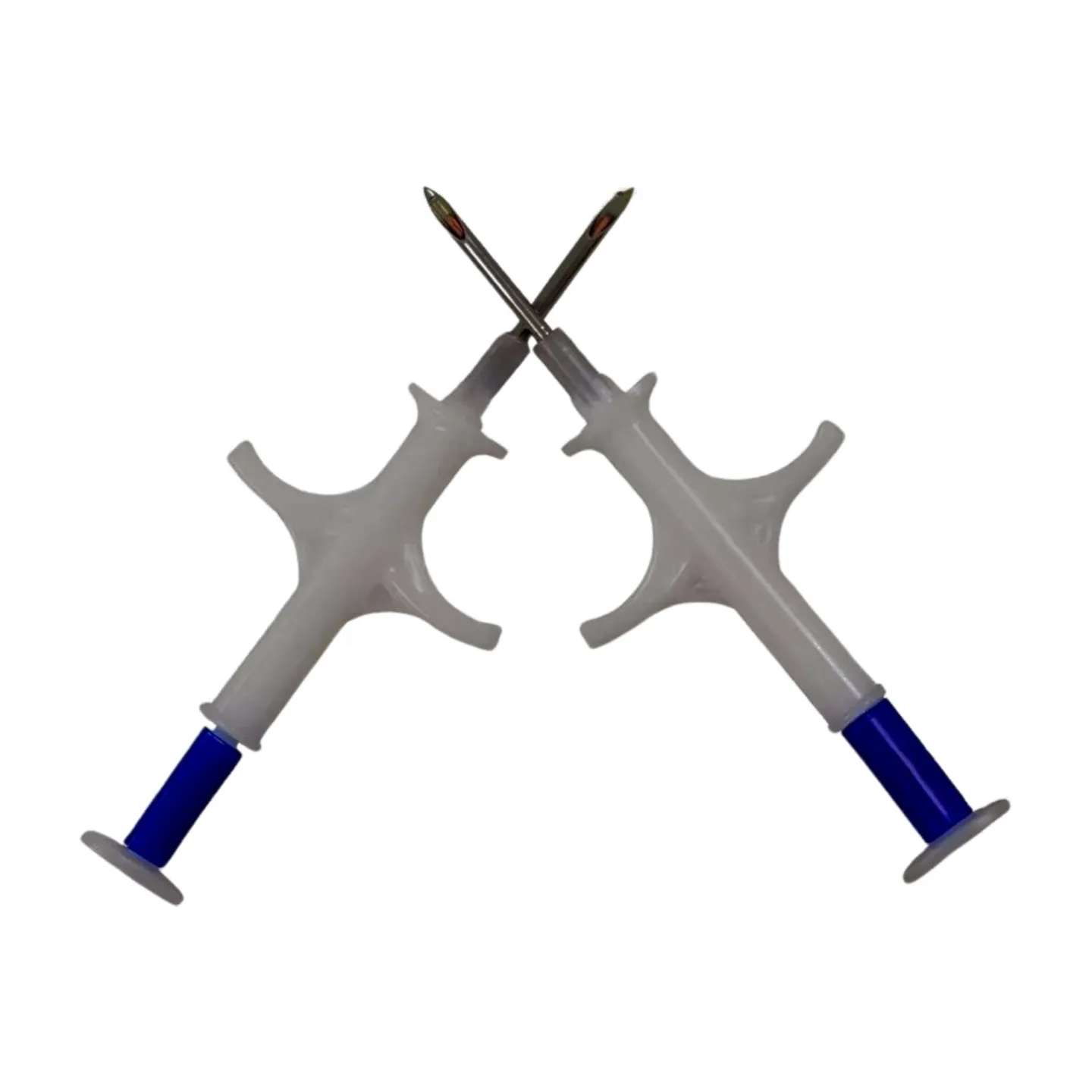
ICAR Certified RFID Microchips: The Gold Standard for Global Animal Identification
Reliable, compliant animal identification is a critical requirement for pet travel, livestock traceability, wildlife conservation, and animal welfare management. ICAR certification represents the highest global standard for animal identification technology, ensuring microchips meet uniform performance and interoperability requirements across all countries that follow international animal health guidelines.
1. What Are ICAR Certified RFID Animal Microchips?
ICAR (International Committee for Animal Recording) certified RFID microchips are implantable identification devices that meet strict global performance and safety standards for permanent animal tracking.
Understanding ICAR’s Role in Animal Identification
ICAR is an independent global body that develops and enforces standardized requirements for animal identification systems. Its certification process verifies that microchips deliver consistent read performance, carry unique non-duplicable identification numbers, and align with international animal health regulations.
Core Function of RFID Microchips for Permanent Animal ID
These passive RFID microchips store a unique 15-digit identification number that can be read by compatible scanners without requiring an internal power source. Once implanted, the chip cannot be altered, tampered with, or easily removed, providing a permanent record of an animal’s identity, ownership, and health history when linked to a centralized database.
2. Core Technical Specifications of ICAR Approved Microchips
Frequency & Protocol Compatibility
All ICAR certified microchips operate at a standard 134.2 kHz frequency, with support for FDX-A, FDX-B, and HDX protocols to ensure compatibility with the majority of RFID scanners used globally for animal identification.
Chip Models & Performance
Available chip models include EM4305, EM4100, ID, and UHF variants, each optimized for specific use cases ranging from short-range companion animal scanning to long-range livestock herd monitoring.
Biocompatible Materials & Size Options
All chips are encased in medical-grade bioglass to support safe long-term implantation. Size options are protocol-specific: FDX-A variants range from 1.4x8mm to 4x34mm, while HDX variants range from 2x12mm to 4x34mm to suit different animal sizes and read range requirements.
Lifespan & Reliability
The passive design of the microchips supports an operational lifespan of 10 or more years with no required maintenance. The sealed bioglass casing prevents damage from body fluids or tissue contact, ensuring consistent performance over the lifetime of most animal species.
3. Key Benefits of Choosing ICAR Certified Microchips
Global Compliance for International Animal Travel
ICAR certification is recognized by national animal health authorities in over 100 countries, eliminating import and export barriers for companion animals, livestock, and rescue animals moving across international borders.
Biocompatibility & Long-Term Safety
The medical-grade bioglass casing is non-toxic and resistant to tissue adhesion, reducing the risk of inflammation, migration, or rejection after implantation.
Permanent, Tamper-Proof Identification
Unlike collars or tags that can be lost or removed, implanted microchips provide a permanent form of identification that supports reliable ownership verification, lost animal reunification, and disease traceability.
Easy Syringe Implantation
All microchips are preloaded in sterile, single-use disposable syringes, enabling fast, low-trauma implantation by trained veterinarians or authorized animal care personnel.
4. Applications Across Animal Sectors
Companion Animals
Small FDX-B variants are ideal for dogs, cats, and exotic pets, supporting lost pet reunification and compliance with international pet travel requirements.
Livestock & Farm Animals
HDX and UHF variants are optimized for cattle, sheep, pigs, and poultry, supporting large-scale herd management, disease outbreak response, and food supply chain traceability.
Wildlife Conservation & Rescue
Small, non-intrusive variants are used for wild animal population monitoring, migration tracking, and post-rehabilitation release programs for endangered species.
Animal Shelters & Adoption Centers
Standard ICAR certified microchips streamline intake, adoption, and reunification processes, ensuring all adopted animals carry permanent, globally recognized identification.
5. How to Choose the Right ICAR Microchip for Your Needs
Matching Protocol to Animal Type
FDX-B chips are the standard for companion animals and small exotic pets, while HDX chips are preferred for large livestock due to their extended read range for herd scanning operations.
Selecting the Correct Size for Implantation
Smaller 1.4x8mm to 2x12mm variants are designed for small pets and young animals, while larger 3x20mm to 4x34mm variants are suited for adult livestock to support maximum read range and durability.
Verifying Authentic ICAR Certification
Confirm that the product carries official ICAR certification marks and meets ISO 11784/11785 standards to ensure global recognition and compatibility with existing scanning infrastructure.
6. Implantation Best Practices for ICAR Microchips
Syringe Injection Technique
Implant the chip subcutaneously in the recommended anatomical site for the target animal species, use sterile equipment to prevent infection, and follow all local veterinary guidelines for implantation procedures.
Post-Implantation Verification Tips
Scan the microchip immediately after implantation to confirm it is functioning correctly, and register the unique identification number in the relevant national or global animal identification database to ensure full traceability.
7. Where to Buy Authentic ICAR Certified RFID Microchips
Source microchips only from authorized suppliers with official ICAR accreditation to avoid counterfeit products that do not meet compliance requirements. Verify that product packaging displays official ICAR and ISO certification marks before purchase, and confirm that the supplier provides full traceability documentation for all chip batches.
Technical Specifications Comparison Table
| Protocol | Size Range | Recommended Animal Type | Typical Read Range |
|---|---|---|---|
| FDX-A | 1.4x8mm to 4x34mm | Companion animals, small livestock | 5cm to 30cm |
| FDX-B | 1.25x7mm to 3x12mm | Pets, exotic animals, shelter animals | 3cm to 20cm |
| HDX | 2x12mm to 4x34mm | Large livestock, wildlife | 20cm to 100cm |
Frequently Asked Questions
Can ICAR microchips be read by all scanners?
ICAR certified microchips operate at the standard 134.2 kHz frequency, so they are compatible with all ISO-compliant animal scanners used globally.
Is implantation painful for animals?
Implantation is a low-pain procedure similar to a standard vaccination, and most animals experience minimal discomfort during and after implantation.
How to check if a microchip is ICAR-certified?
Authentic ICAR certified microchips include a certification number on packaging that can be verified through the official ICAR supplier database, and carry official ICAR and ISO compliance marks.
Industry Standards Deep Dive
ICAR certification aligns with ISO 11784 and ISO 11785 standards, which define the structure of the unique identification number stored on the microchip and the technical requirements for RFID communication between the chip and scanner. This alignment ensures interoperability across all countries that adopt ISO standards for animal identification, eliminating barriers to cross-border animal movement.
Real-World Use Case Examples
A commercial cattle farm in Australia deployed HDX ICAR certified microchips for its 5000-head herd, reducing disease traceability response time from 72 hours to 4 hours during a regional bovine fever outbreak. An animal shelter in the United States reported a 40% increase in lost pet reunification rates after switching to ICAR certified microchips, due to improved compatibility with scanners used by local veterinary clinics and animal control agencies.
Compliance Guide for International Animal Travel
ICAR certification is a mandatory requirement for pet and livestock import in the European Union, United Kingdom, Australia, New Zealand, and most Asian and African countries. To ensure compliance, confirm that the microchip is implanted before rabies vaccination, register the chip number in an internationally recognized database, and carry a copy of the ICAR certification documentation for customs inspection during travel.
Supplier Verification Checklist
Use the following checklist to confirm you are purchasing authentic ICAR certified microchips: 1. Supplier is listed on the official ICAR accredited supplier directory. 2. Product packaging displays official ICAR and ISO 11784/11785 certification marks. 3. Supplier provides batch traceability documentation for all microchip units. 4. Product includes sterile preloaded syringes with individual packaging for each unit.