
Veterinary RFID Chips: A Complete Guide to Animal Identification Microchips
What Are Veterinary RFID Chips?
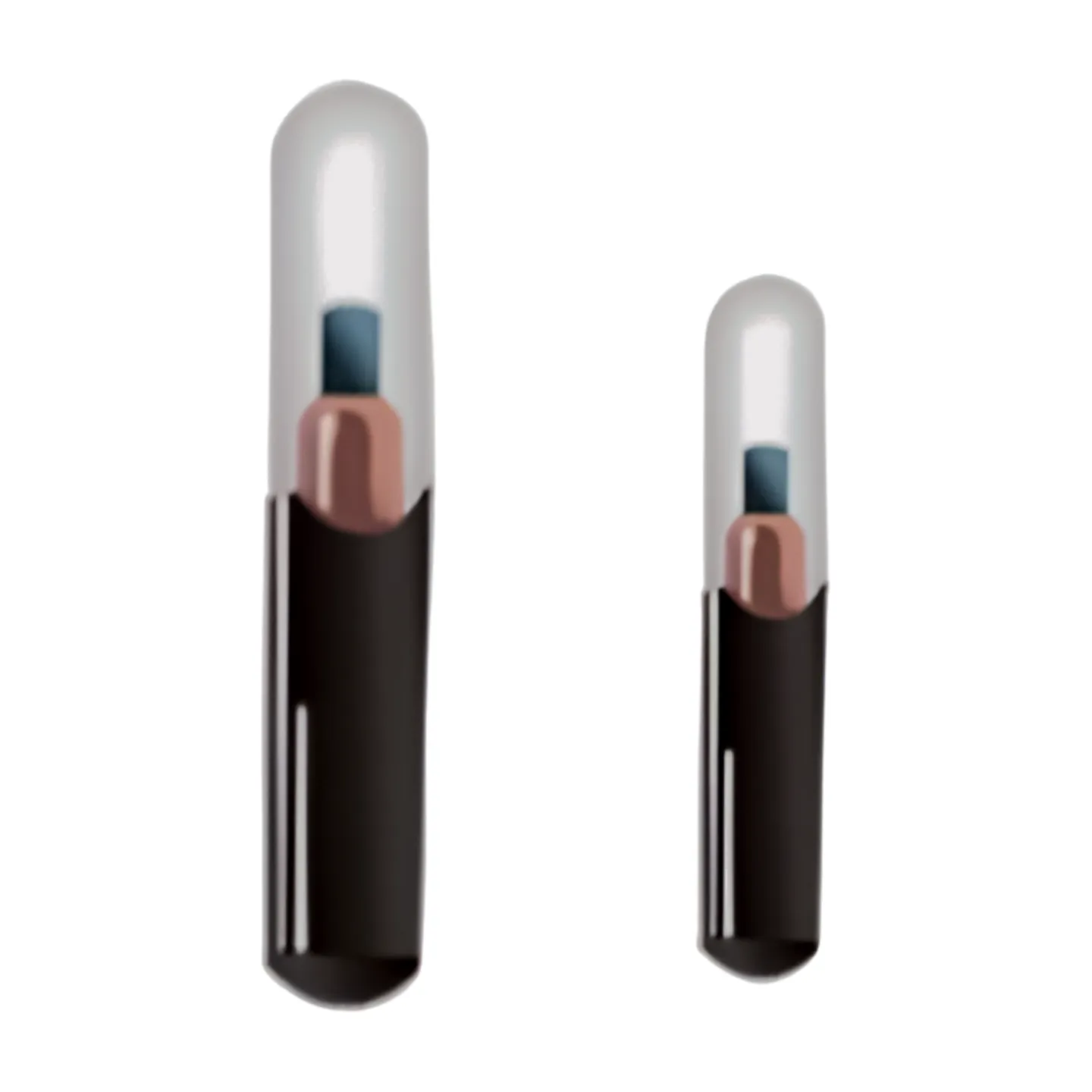
Veterinary RFID chips are implantable radio frequency identification devices designed for permanent, tamper-proof identification of animals. They are widely used across veterinary clinics, animal shelters, livestock farms, and regulatory bodies to support pet reunification, herd management, disease traceability, and compliance with regional animal identification mandates. Each chip stores a unique, unalterable identification number that can be read by compatible RFID scanners, eliminating the risk of lost or damaged external identification tags.
Core Technical Specifications of Veterinary RFID Chips
Frequency & Communication Protocols (FDX-A, FDX-B, HDX)
All standard veterinary RFID chips operate at a 134.2 kHz frequency, the global standard for animal identification. Three communication protocols are available to suit different use cases: FDX-A, suited for short-range reading for small companion animals; FDX-B, the most widely adopted global protocol for general veterinary use; and HDX, designed for long-range reading for livestock management in high-throughput farming environments.
Chip Models & Compatibility
Available chip models include EM4305, EM4100, ID, and UHF variants, each optimized for different reader compatibility and data storage requirements. EM4100 chips are read-only devices for basic identification use, while EM4305 chips support read-write functionality for applications requiring additional data storage on the chip itself.
Sizes, Materials & Lifespan
All chips are encased in medical-grade bioglass, a biocompatible material that prevents tissue rejection and migration post implantation. Size options vary by protocol: FDX-A chips range from 1.4x8mm to 4x34mm, while HDX chips range from 2x12mm to 4x34mm to accommodate different animal sizes. All variants have a minimum lifespan of 10 years, with no internal battery required for operation.
Key Benefits of ICAR-Certified Veterinary Microchips
ICAR and ISO certified veterinary RFID chips offer multiple advantages over non-certified alternatives. Their biocompatible construction ensures safe, long-term implantation with minimal risk of complications. Global standard compliance means chip identification numbers are recognized across international borders, supporting pet travel and cross-regional livestock traceability. Syringe-injectable design allows for quick, minimally invasive implantation by trained veterinary professionals, with no surgical procedure required.
How to Choose the Right Veterinary RFID Chip
Chip selection depends on the target animal species, use case, and local regulatory requirements.
Chips for Small Pets (Cats, Dogs, Ferrets)
For small companion animals, select 1.4x8mm FDX-B protocol chips, which are minimally invasive and compatible with most public and veterinary RFID reader systems.
Chips for Livestock (Cattle, Sheep, Pigs)
For commercial livestock operations, HDX protocol chips are recommended, as they support long-range, high-speed reading suitable for sorting, weighing, and traceability workflows in farming facilities.
Chips for Exotic & Large Animals
For large or exotic species, select larger size FDX-A or HDX chips based on reader compatibility and implantation site requirements for the specific species.
Implantation & Post-Care for Veterinary RFID Chips
Syringe Implantation Process
All veterinary RFID chips are supplied preloaded in sterile single-use syringes for easy administration. Trained veterinary staff implant the chip subcutaneously, typically between the shoulder blades for small animals, or in the ear or neck area for livestock, following standard sterile procedure.
Post-Implantation Best Practices
After implantation, monitor the site for 24 to 48 hours for signs of redness or swelling. Scan the chip immediately after implantation to confirm the unique ID number is readable, and register the number in the relevant national or regional animal identification database linked to the owner’s contact information. Avoid excessive handling of the implantation site for the first 72 hours to prevent chip migration.
Compliance & Certifications: Why They Matter
Compliance with ISO 11784/11785 standards and ICAR certification ensures that the chip meets global performance and safety requirements for animal identification. Certified chips are compatible with all standard RFID readers used by veterinary clinics, shelters, border control agencies, and livestock management facilities globally, eliminating compatibility issues for cross-border travel or inter-facility animal transfers. Compliance also ensures alignment with regional regulatory requirements for animal identification, reducing the risk of non-compliance penalties for farm operators, pet owners, and veterinary facilities.
Technical Specifications Reference Table
| Protocol | Chip Model Options | Size Range | Primary Use Case |
|---|---|---|---|
| FDX-A | EM4100, EM4305 | 1.4x8mm to 4x34mm | Small companion animals, exotic species |
| FDX-B | EM4100, EM4305, ID | 1.4x8mm to 3x12mm | General veterinary use, pet identification, cross-border travel |
| HDX | EM4305, UHF | 2x12mm to 4x34mm | Livestock management, high-throughput farm operations |
Frequently Asked Questions (FAQs)
Q: Do veterinary RFID chips cause harm to animals?
A: Veterinary RFID chips are encased in biocompatible medical-grade bioglass, and implantation is minimally invasive, with extremely low rates of adverse reactions reported.
Q: How long do veterinary RFID chips last?
A: All standard veterinary RFID chips have a lifespan of 10 or more years, and require no battery or maintenance over their operational life.
Q: Can any RFID reader detect a veterinary RFID chip?
A: 134.2 kHz ICAR/ISO certified chips are detectable by all standard veterinary and animal management RFID readers aligned with ISO 11784/11785 standards. Protocol-specific readers are required for FDX-A, FDX-B, or HDX chips respectively.