
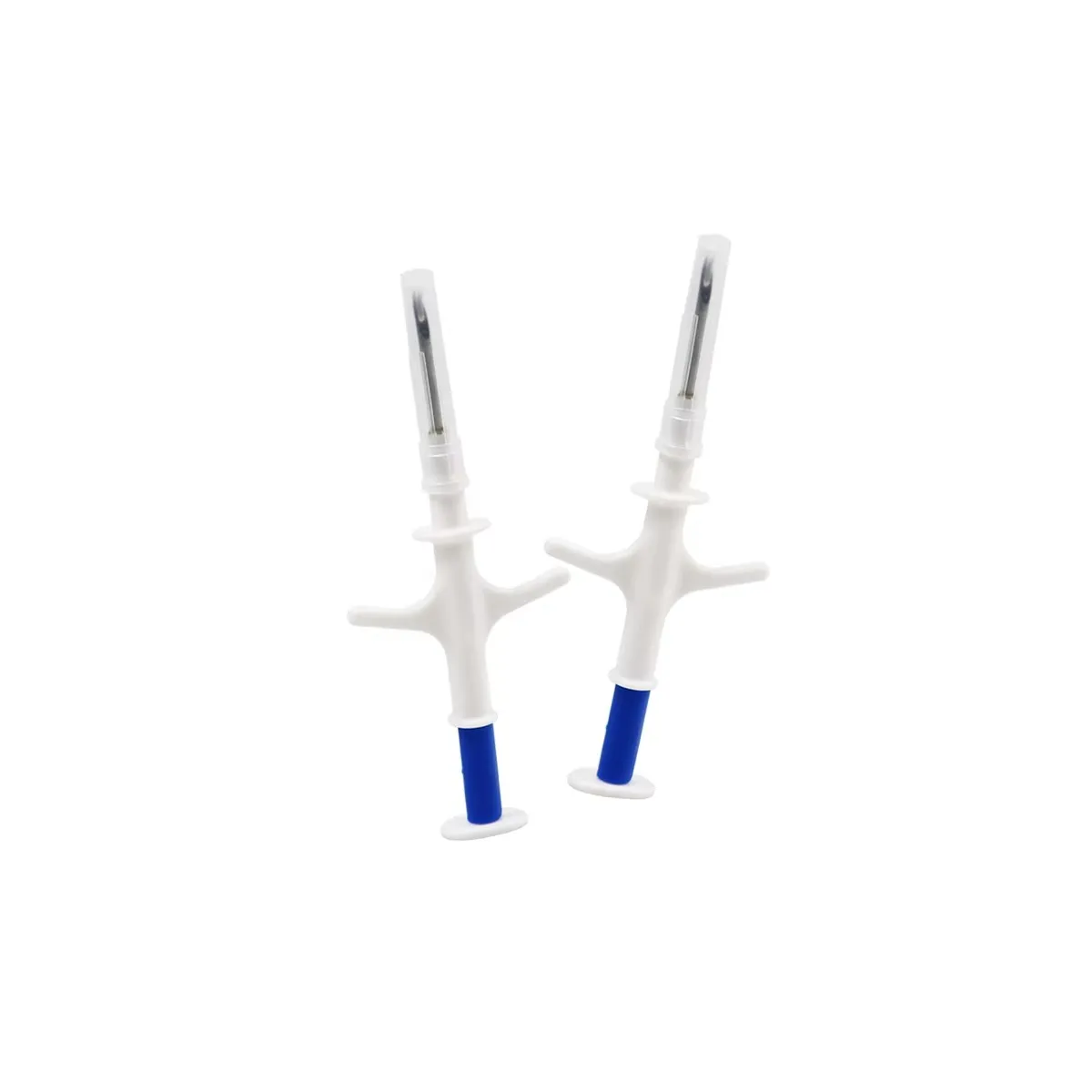
ISO 11785 Compliant RFID Tags: The Global Standard for Animal Identification
Product Overview
The ISO 11785 Compliant RFID Tag is a specialized, passive low-frequency transponder designed exclusively for animal identification. It adheres to the international ISO 11784 and ISO 11785 standards, providing a unique, unalterable, and globally recognized electronic identification number for individual animals. This technology solves the critical challenge of reliable, permanent, and standardized tracking across different countries, veterinary systems, and agricultural practices. It replaces error-prone visual methods with a secure, electronic key to an animal’s lifetime data. Primary users include veterinarians, livestock farmers, pet owners, animal shelters, and government bodies managing animal health and traceability programs.
Key Features & Benefits
These tags deliver essential functionality for modern animal management. Their core benefit is global interoperability, ensuring they function with any ISO 11785 compliant reader worldwide, which guarantees data portability and system compatibility. Each tag offers permanent and tamper-proof identification, providing a lifelong unique ID that cannot be easily lost, damaged, or altered once properly implanted. They utilize proven FDX-B/HDX communication protocols at 134.2 kHz, a frequency that is safe for animals and ensures reliable reading. Every tag is encoded with a Unique Identification Number that follows the ISO 11784 structure, incorporating a country code and national ID. Finally, the tags are housed in a biocompatible glass or polymer capsule, certified safe for long-term subcutaneous implantation in animal tissue.
How ISO 11785 RFID Tags Work
The system operates through three main components: the tag (transponder), the reader (transceiver), and a central database or software. The process begins with encoding, where a unique, unchangeable ID is written to the tag’s microchip during manufacturing. A trained professional, typically a veterinarian, then implants the tag subcutaneously in the animal, often between the shoulder blades. When identification is needed, a compatible handheld reader emits a low-frequency activation signal. The tag is passively powered by this signal and immediately transmits its unique ID back to the reader. This ID number serves as a key to retrieve the animal’s complete record—such as owner details, medical history, and vaccination status—from a connected registration database.
Primary Applications & Use Cases
ISO 11785 RFID tags are deployed in several critical areas of animal management. For pet identification, they provide a permanent ID for dogs, cats, and other companion animals, which is essential for reuniting lost pets with their owners. In veterinary clinic management, the tags streamline patient check-in and provide instant, accurate access to medical histories, ensuring correct treatment and medication. Within livestock tracking, these tags enable individual animal management in large herds, supporting precise breeding programs, health monitoring, disease control, and full traceability from farm to consumer, meeting both operational and regulatory needs.
Technical Specifications & Compliance
The tag operates at the standard low frequency of 134.2 kHz (LF). It is fully compliant with ISO 11784, which defines the code structure, and ISO 11785, which defines the technical concept and air interface. The device supports both Full Duplex (FDX-B) and Half Duplex (HDX) communication protocols as mandated by the standard. The typical read range is 10-15 cm (4-6 inches) with a standard handheld reader, optimized for secure, close-proximity scanning. The tag is housed in a biocompatible glass capsule designed for implantation. Its data capacity is typically a read-only, unique 15-digit number that complies with the ISO 11784 format.
Why Choose an ISO 11785 Compliant Tag?
Selecting an ISO 11785 compliant tag is a decision for reliability and future-proofing. It represents the established global industry standard for animal RFID, widely accepted by veterinarians, kennel clubs, livestock associations, and regulatory agencies worldwide. This compliance ensures your identification system remains compatible with international databases and reading equipment, protecting your investment. The technology directly enhances animal welfare by facilitating better medical care and responsible ownership through reliable lifetime tracking. Furthermore, it ensures compliance with legal and regulatory requirements for activities such as international pet travel under the EU pet passport scheme and various national livestock traceability programs.
Getting Started with Animal RFID Tagging
Implementing an animal RFID system requires specific steps for success. First, tag implantation must always be performed by a trained professional, such as a veterinarian or certified implanter, to ensure safety and proper placement. After implantation, the tag’s unique identification number must be registered in a national or international pet recovery database, such as the AAHA Universal Pet Microchip Lookup tool or a country-specific registry, to link the ID to the animal’s owner and records. Finally, to utilize the system effectively, clinics and facilities must use ISO 11785 compliant readers to ensure consistent and reliable scanning of the tags.