
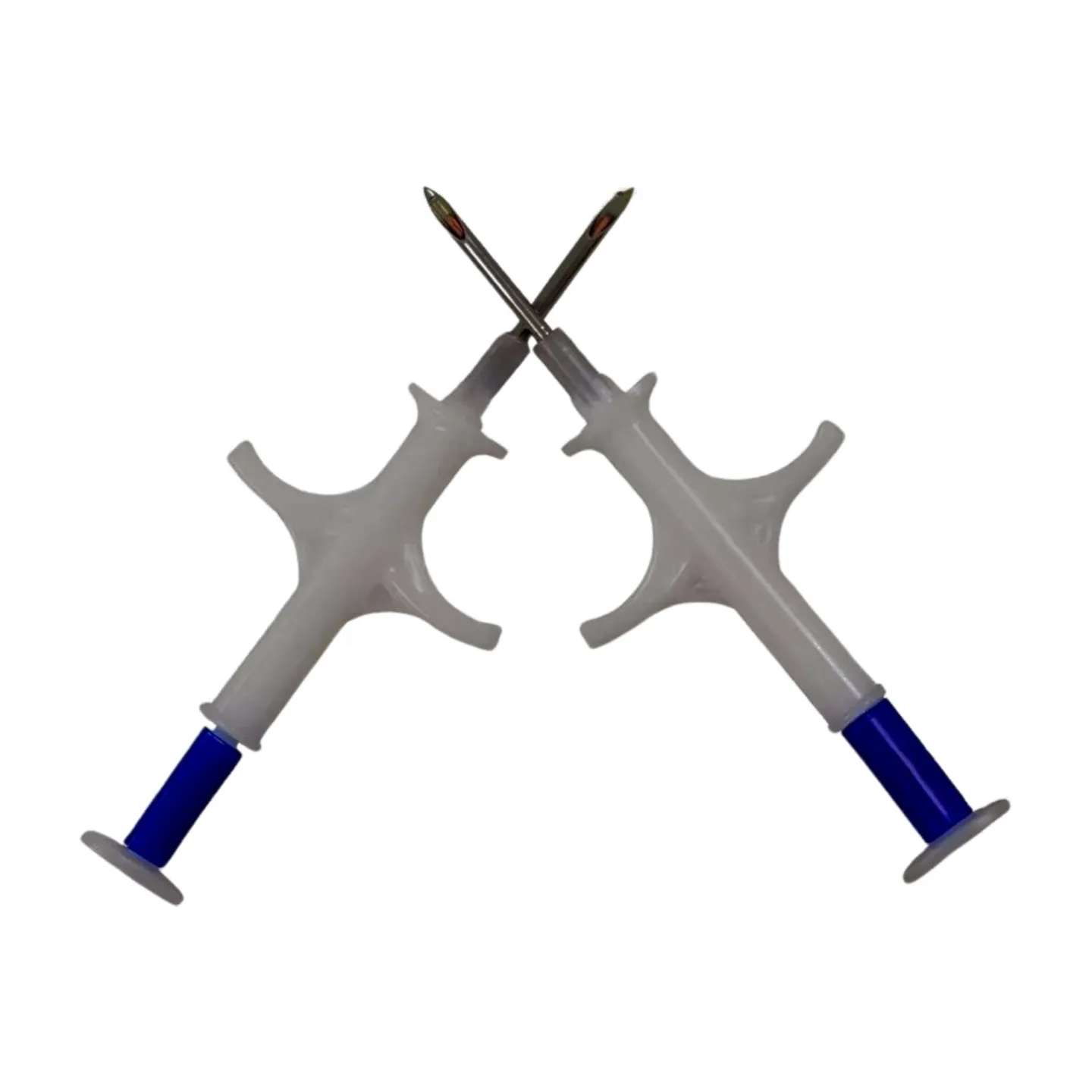
What Are Pet Tracking RFID Microchips
Pet tracking RFID microchips are passive, implantable identification devices built to provide permanent, tamper-proof identity records for companion animals including dogs, cats, and exotic pets. Unlike GPS collars or QR tags, these microchips do not require batteries or external power, and cannot be removed or lost once implanted under the pet’s skin. They serve as a permanent identification solution that supports fast, reliable lost pet reunification across global regions.
Core Technical Specifications
Frequency and Protocol Compatibility
These microchips operate at 134.2 kHz, the global standard frequency for companion pet identification. They support FDX-A, FDX-B, and HDX protocols, fully aligned with ISO 11784 and ISO 11785 international animal identification standards to ensure compatibility with nearly all RFID readers used by veterinary clinics, animal shelters, and border control agencies worldwide.
Chip Model Options
Multiple chip models are available to meet varied use case requirements, including EM4305, EM4100, ID, and UHF variants. Each model is optimized for stable read performance, with read ranges suitable for routine animal identification workflows.
Material and Size Options
All microchips are encased in medical grade bioglass, a biocompatible material that eliminates risk of adverse reaction or migration after implantation. Sizes are customizable per protocol, ranging from 1.25x7mm for small, young, or exotic pets to larger sizes for medium and large breed animals, ensuring a comfortable fit for all pet types.
Implantation Method
Each microchip is preloaded into a sterile, single-use syringe for fast, minimally invasive implantation by a licensed veterinarian. The implantation process is quick, with discomfort levels comparable to a standard vaccination, and requires no post-procedure recovery time for most pets.
Key Product Benefits
Permanent Identification
Once implanted, the microchip remains in place for the lifetime of the pet, with no risk of loss, tampering, or removal that affects external tracking solutions such as collars or tags. Each chip carries a unique, unalterable identification number linked to the pet owner’s contact information in a secure central database.
Low Maintenance Operation
The passive RFID design requires no battery replacement or regular maintenance, delivering consistent performance for 10 or more years after implantation. No charging or software updates are required for the duration of the chip’s operational lifespan.
Global Readability
ICAR certification and compliance with global ISO standards ensure the microchip can be read by compatible readers in nearly every country worldwide, making it suitable for pet owners who travel internationally with their animals, as well as cross-regional lost pet reunification efforts.
Intended Users and Applications
These pet tracking RFID microchips are designed for use by four primary user groups: companion pet owners seeking permanent identification for their animals, veterinary clinics offering microchip implantation services, animal shelters and rescue organizations supporting lost pet reunification, and professional pet breeders managing registration and lineage tracking for breeding stock and offspring. The core application is permanent pet identification, with direct support for fast, accurate lost pet reunification when scanned by a compatible RFID reader.
Selection Guidelines
When selecting a pet tracking RFID microchip, first match the chip size to the pet’s breed, age, and body weight to ensure comfortable implantation. Confirm that the chip’s protocol aligns with the reader standards used by local veterinary clinics and animal shelters in your region. Always select ICAR certified, ISO 11784/11785 compliant chips to guarantee global readability and compatibility with standard identification infrastructure.
Frequently Asked Questions
Is microchip implantation painful for pets
Implantation causes minimal discomfort, comparable to a routine vaccination, and most pets show no adverse reaction to the procedure. No anesthesia is required for standard implantation.
How long does the microchip remain functional
The battery-free passive design delivers a functional lifespan of 10 or more years, with no maintenance required to sustain performance over the pet’s lifetime.
Can the microchip be read outside my home country
ICAR certified, ISO compliant microchips are readable by standard pet identification readers in nearly all countries, making them suitable for international pet travel and cross-border reunification efforts.