


RFID Animal tag reader
Animal RFID Reader works with animal ear tag, glass tag for animal tracking it is best way to track livestock or identify pets and exotics, as well as laboratory animals. This is a low frequency 134.2khz animal rfid tag reader that using wireless identification technology and it supports reading EMID, FDX-B(ISO11784/85) etc. tag.Features
- Support all common ISO11784/11785 RFID animal tags
- The display comes with backlight for easy reading in dark environment
- Directly read the history data under internal reading mode
- Low battery alarm function when battery power is lower than 3.7V
Description
The animal RFID reader for animal tracking provides you a better way to track livestock or identify pets and exotics, as well as laboratory animals.
This RFID cattle tag reader support ISO 11784 HDX/FD, the operation frequency is134.2khz.It is a low-cost RFID cattle ear tag scanner, also you can use it for sheep, pets, turtles, dogs, cats. It also called animal ID reader that's mean each RFID microchip with unique ID number can be read by it .
This RFID Animal tag reader using high brightness OLED display screen, and can be seen clearly inside the house or under the strong light outside. It can store up to 6000 RFID ear tag or RFID glass tag information with its built-in memory, users can send the information to the computer through USB cable or wireless connection to manage data.
This portable pet RFID reader writer is stable and easy to use, it can be used for animal management, resource management, railway inspection, etc.
This low frequency handheld RFID animal reader terminal provides a low cost contactless system for animal identification and management. It features high performance, a user-friendly sleek design, and is well suited for stock breeding, animal control, or foodstuff tracking systems. The fully automatic operation, as well as the USB keyboard emulation feature, make it easy to use and enable any professional veterinarian and non-professional alike to use it to read the electronic data on any pet equipped with an electronic RFID chip. The low frequency RFID livestock reader is compliant with ISO11784/11785 FDX-B standard and is able to read tags from a distance of up to 130 mm.
DO RFID reader manufacturer has a wide variety of low frequency readers that operate at a frequency of 134.2 kHz,125Khz 13.56mhz and 850-960mhz.
The low frequency 134.2 kHz RFID readers support FDEX-B and HDX technologies and there are readers in this category that only supports the FDX-B.
Primary Applications:
- Poultry management such as chicken , duck , goose, pigeon etc
- Livestock and pets management such as cattle , sheep, dog, cat etc
- High-value fish and aquatic animals management
- Pet hospital RFID identification
- Goods counterfeiting
Specification
| Device Size: | 238.24*128*25(mm) |
|---|---|
| Display Size: | 8 inch |
| Resolution | 800×1280 |
| Camera Pixels | 2 Mega |
| Camera Focusdistance | 50-150cm |
| Processor CPU | Rk3288Quad-core |
| Processor Local storage | Local storage EMMC8G |
| Storage capacity: | 6000 items (tag code & time) |
| Storage time: | > 20 years |
| Communication interface: | USB2.0,wireless HID(optional ),Bluetooth (Optional ) |
| Weight: | 300g (without batteries) |
| Operating temperature: | -10°C~50 °C |
| Storage temperature: | -30 °C~70 °C |
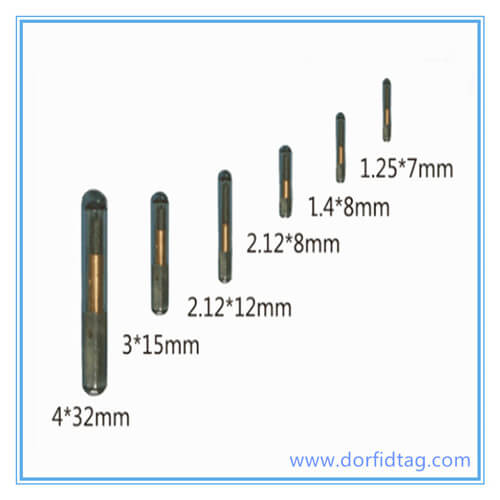
An RFID animal tag reader is not a standalone device; it is a core component of a broader animal identification and data management system. Understanding how the reader interacts with RFID tags, software platforms, and operational workflows helps buyers make informed decisions and deploy systems more effectively.
In a typical RFID animal identification system, each animal is equipped with an RFID ear tag or injectable glass tag containing a unique identification number. The RFID animal tag reader captures this ID and transfers the data to a local device or centralized database, where it can be associated with health records, vaccination history, breeding data, or movement logs.
This system architecture enables fast, non-contact, and error-free identification, replacing manual record-keeping or visual tag inspection. For farms, veterinary clinics, laboratories, and regulatory bodies, this translates into improved traceability, compliance, and operational efficiency.
Importance of ISO Standards in Animal RFID Readers
One of the most critical considerations when selecting an RFID animal tag reader is compliance with international standards, particularly ISO 11784 and ISO 11785.
ISO 11784 defines the structure of the animal identification code stored in the RFID tag, ensuring that each ID is globally unique. ISO 11785 specifies the air interface protocol, allowing interoperability between tags and readers from different manufacturers.
A compliant RFID animal tag reader ensures:
- Compatibility with globally recognized animal ear tags and glass tags
- Acceptance by veterinary authorities and livestock regulators
- Long-term usability across regions and systems
Readers that support FDX-B and HDX protocols offer additional flexibility. FDX-B is widely used for pets and livestock, while HDX is often preferred in environments where longer reading distance or higher noise immunity is required.
Reading Distance and Performance in Real-World Conditions
While laboratory specifications may list a maximum reading distance of up to 130 mm, real-world performance depends on several factors:
- Tag type (ear tag vs glass tag)
- Animal movement and orientation
- Environmental electromagnetic noise
- Reader antenna design and sensitivity
High-quality RFID animal tag readers are designed to deliver stable and fast readings even when animals are moving, which is critical in livestock handling scenarios such as cattle chutes, poultry lines, or veterinary examination rooms.
For large-scale operations, consistent read performance reduces missed scans, lowers labor time, and minimizes stress on animals by avoiding repeated handling.
Data Storage, Traceability, and Offline Operation
Modern RFID animal tag readers are increasingly expected to function as portable data terminals, not just scanning tools.
With built-in memory capable of storing thousands of records, an RFID animal tag reader allows users to:
- Collect data in remote or offline environments
- Store tag ID, time, and additional attributes
- Upload data later via USB or wireless connection
This is particularly valuable for farms, field inspections, wildlife research, and disease control operations where network connectivity is limited or unavailable.
Long data retention capability ensures historical traceability, which is essential for audits, breeding analysis, and regulatory reporting.
Integration with Animal Management Software
For professional users, data is only valuable if it can be easily managed and analyzed. RFID animal tag readers are commonly integrated with:
- Livestock management software
- Veterinary clinic systems
- Laboratory information management systems (LIMS)
- Government animal registration databases
Features such as USB keyboard emulation, Bluetooth transmission, and wireless HID modes simplify integration with existing systems, reducing the need for custom development.
This plug-and-play capability makes RFID animal tag readers accessible not only to IT professionals, but also to veterinarians, farm workers, and inspectors with minimal technical training.
Ergonomics and Field Usability
Animal identification often takes place in challenging environments: barns, farms, outdoor enclosures, laboratories, or mobile veterinary units. For this reason, the physical design of an RFID animal tag reader matters as much as its technical performance.
Key ergonomic considerations include:
- Lightweight and balanced handheld design
- Clear, high-brightness display visible in sunlight
- Simple button layout for one-handed operation
- Audible and visual confirmation of successful reads
A well-designed RFID animal tag reader reduces operator fatigue and improves scanning efficiency, especially during large-scale tagging or inspection tasks.
Power Management and Battery Reliability
Battery performance is a major concern for mobile RFID readers. A low battery during fieldwork can interrupt operations and lead to data loss.
Advanced RFID animal tag readers include:
- Low power consumption design
- Battery status indicators and low battery alarms
- Rechargeable battery systems suitable for daily use
Reliable power management ensures continuous operation throughout long working shifts, making the reader suitable for both small clinics and large agricultural enterprises.
Use Cases Beyond Livestock and Pets
Although livestock and pet identification are the most common applications, RFID animal tag readers are also used in specialized fields:
Laboratory Animal Management
In research environments, precise identification of laboratory animals is essential for data integrity, ethical compliance, and experiment traceability.
Wildlife and Conservation Projects
RFID readers support tracking and monitoring of wildlife in conservation programs, helping researchers study behavior, migration, and population health.
Aquatic and High-Value Animal Tracking
Specialized tags combined with RFID readers are used for high-value fish, reptiles, and exotic animals, where accurate identification is critical for breeding and trade control.
Anti-Counterfeiting and Traceability
RFID animal tag readers can also support authentication and traceability in food supply chains and animal-derived product verification.
Security and Data Integrity Considerations
While low-frequency RFID systems prioritize reliability and compatibility, data integrity remains a key concern for professional users.
RFID animal tag readers ensure:
- Accurate reading of unique ID numbers
- Reduced risk of duplicate or incorrect entries
- Secure data transfer to host systems
In regulated industries, accurate identification helps prevent fraud, mislabeling, and unauthorized animal substitution.
Choosing the Right RFID Animal Tag Reader for Bulk Procurement
For B2B buyers and distributors, selecting an RFID animal tag reader involves evaluating more than just price.
Important procurement factors include:
- Compliance with international standards
- Compatibility with existing tags and systems
- Manufacturer reliability and production capacity
- Availability of technical support and documentation
- Scalability for future expansion
A trusted RFID reader manufacturer provides not only hardware, but also long-term supply stability and technical cooperation, which are essential for large projects and government tenders.
Future Trends in RFID Animal Identification
The evolution of RFID animal tag readers continues as technology advances and regulatory requirements increase.
Key trends include:
- Integration with mobile apps and cloud platforms
- Improved user interfaces and touch displays
- Enhanced data analytics and reporting
- Hybrid systems combining RFID with GPS or sensors
As animal management becomes more data-driven, RFID animal tag readers will remain a foundational technology supporting transparency, efficiency, and compliance.
Conclusion
An RFID animal tag reader is a critical tool for modern animal identification and management. Beyond simple tag reading, it enables accurate data collection, traceability, and system integration across livestock farming, veterinary care, laboratory research, and conservation projects.
By choosing a standards-compliant, reliable, and ergonomically designed RFID animal tag reader, organizations can improve operational efficiency, reduce manual errors, and meet growing demands for animal traceability and welfare.
In a world where data accuracy and accountability matter more than ever, the RFID animal tag reader quietly does its job—identifying each animal, one scan at a time, without complaint, and without missing a beat.