August 13, 2026
With RFID technology developed animal identification and traceability system, mainly for animal breeding, transportation, slaughter track monitoring. When the outbreak, can be back to animal breeding process. The health sector can through the system for possible infection disease with trace of animals, to determine its ownership and historical traces. At the same time, system to animals slaughtered from birth to provide instant, detailed and reliable data.
Specification of RFID Ear Tag | |
Item | RFID Animal Ear Tg |
Material | TPU |
Size | Dia20mm, Dia30mm, 70*80mm, 51*17mm,72*52mm, 70*90mm etc |
Printing | Laser printing ( ID number, logo etc) |
Chip | EM4305/213/216/F08, Alien H3 etc |
Protocol | ISO11784/5.,ISO14443A, ISO18000-6C |
Frequency | 13.56mhz |
Operating Temperature | -25 to 85 (Centigrade) |
Storage Temperature | 25 to 120 (Centigrade) |
Fit for animal species | Sheep, pig, cow, rabbit, etc |
Remark | reusable ear tag: with open hole Not reusable: with closing
|
Customization | 1. chip type 2. logo or number printing 3. ID encoding |

The livestock industry is rapidly adopting digital technologies to improve animal traceability, health management, breeding efficiency, and operational productivity. Traditional identification methods such as handwritten records, paint markings, and metal ear tags are increasingly unable to meet the demands of modern, large-scale sheep farming. To address these challenges, UHF Sheep Animal RFID Ear Tags have become an essential tool for smart livestock management.
A UHF Sheep Animal RFID Ear Tag is an electronic identification device that uses Ultra High Frequency (UHF) Radio Frequency Identification (RFID) technology to assign a unique digital identity to each sheep. Unlike conventional visual tags, UHF RFID ear tags can be read automatically from several meters away without a direct line of sight, enabling farmers to identify multiple animals simultaneously while reducing labor costs and improving management accuracy.
This comprehensive guide explains what UHF Sheep RFID Ear Tags are, how they work, the problems they solve, their technical specifications, key advantages, application scenarios, and how they compare with other livestock identification technologies.
What Is a UHF Sheep Animal RFID Ear Tag?
A UHF Sheep Animal RFID Ear Tag is a durable electronic ear tag specifically designed for sheep, goats, lambs, and other small livestock. Each tag contains a UHF RFID chip and antenna encapsulated inside a weather-resistant plastic housing, allowing every animal to carry a unique electronic identification number throughout its life.
The tag is attached to the animal’s ear using a dedicated applicator. Once installed, it becomes a permanent identification tool that can be read by handheld or fixed RFID readers without requiring physical contact.
Unlike traditional numbered ear tags, RFID tags store digital information that can be linked to farm management software, creating a complete electronic record for every animal.
How Does a UHF Sheep RFID Ear Tag Work?
The system operates using passive Ultra High Frequency RFID technology.
Step 1: RFID Reader Emits UHF Radio Waves
A handheld reader or fixed RFID gate transmits UHF radio signals, typically operating between 860 and 960 MHz.
Step 2: Passive RFID Tag Receives Energy
The RFID chip contains no battery. Instead, it harvests energy from the electromagnetic field generated by the reader.
Step 3: Chip Activation
Once energized, the RFID chip activates and retrieves its unique Electronic Product Code (EPC).
Step 4: Data Transmission
Using backscatter communication, the chip transmits its ID number back to the RFID reader.
Step 5: Management Software Updates Records
The RFID reader sends the identification data to farm management software, where information such as animal identity, health records, vaccination history, breeding status, weight, feeding schedule, and movement history can be automatically updated.
The entire identification process takes only milliseconds.
Main Components of a UHF RFID Sheep Ear Tag
UHF RFID Chip
The chip stores a globally unique identification number and supports EPC Gen2 communication.
RFID Antenna
The integrated antenna enables long-range wireless communication with RFID readers.
TPU or Plastic Housing
High-strength thermoplastic polyurethane (TPU) or engineering plastic protects the electronics against impact, UV radiation, moisture, mud, and chemicals.
Locking Pin
A tamper-resistant locking mechanism securely attaches the tag to the animal’s ear, reducing the risk of accidental loss.
Typical Specifications
| Parameter | Typical Specification |
|---|---|
| RFID Frequency | 860–960 MHz |
| RFID Standard | EPC Class 1 Gen2 / ISO 18000-6C |
| Chip Type | UHF Passive RFID |
| Reading Distance | 3–10 meters |
| Material | TPU or High-Strength Plastic |
| Waterproof Rating | IP67 / IP68 |
| Operating Temperature | -40°C to +85°C |
| UV Resistance | Excellent |
| Memory | EPC + TID + Optional User Memory |
| Expected Service Life | 5–10 Years |
| Installation | Ear Tag Applicator |
Actual specifications vary depending on chip model and manufacturer.
Key Features
Modern UHF Sheep RFID Ear Tags provide:
- Long-distance identification
- Simultaneous multi-animal reading
- Permanent electronic ID
- Waterproof construction
- UV resistance
- Chemical resistance
- Tamper-resistant locking
- Battery-free operation
- Fast inventory scanning
- High durability in outdoor environments
Pain Points Solved by UHF RFID Ear Tags
Manual Identification Is Slow
Reading traditional ear numbers one animal at a time is labor-intensive and time-consuming.
RFID enables rapid identification without handling each sheep individually.
Data Entry Errors
Handwritten records often contain mistakes.
RFID automatically transfers animal IDs into digital systems, improving data accuracy.
Difficult Flock Inventory
Counting hundreds or thousands of sheep manually is inefficient.
RFID readers can identify multiple animals at once, completing inventory in minutes.
Poor Animal Traceability
Without electronic identification, tracking health treatments, breeding records, or movement history becomes difficult.
RFID creates a complete digital lifecycle record for every animal.
Lost or Mixed Records
Paper documents can be misplaced or damaged.
Cloud-connected RFID systems securely store data and make it easy to retrieve historical records.
Disease Control Challenges
Rapid identification is essential during disease outbreaks.
RFID allows farmers to quickly locate, isolate, and monitor affected animals, improving biosecurity and regulatory compliance.
Major Applications
Sheep Farms
Individual animal identification
Breeding management
Growth monitoring
Inventory control
Goat Farms
Tracking reproduction
Vaccination management
Feed optimization
Movement records
Breeding Centers
Pedigree verification
Genetic improvement programs
Performance evaluation
Veterinary Clinics
Patient identification
Medical history management
Treatment tracking
Livestock Markets
Fast animal registration
Ownership verification
Transaction management
Animal Transportation
Loading verification
Destination confirmation
Cross-border livestock traceability
Government Animal Traceability Programs
Many countries require electronic livestock identification to improve food safety and disease prevention.
UHF RFID ear tags simplify regulatory compliance.
Advantages of UHF RFID Technology
Long Reading Distance
Unlike Low Frequency (LF) RFID systems, UHF tags can be read from several meters away.
This minimizes animal stress by reducing the need for close handling.
Fast Multi-Tag Reading
Hundreds of sheep can be identified almost simultaneously.
This dramatically improves efficiency during:
- Feeding
- Weighing
- Sorting
- Vaccination
- Transportation
No Battery Required
Passive RFID tags require no maintenance or battery replacement.
Improved Farm Automation
RFID integrates easily with:
- Electronic weighing systems
- Automatic feeding stations
- Livestock management software
- Smart farm platforms
- Cloud databases
Higher Operational Efficiency
Automated identification reduces labor costs while improving management accuracy.
UHF RFID Ear Tags vs Traditional Visual Ear Tags
| Feature | UHF RFID Ear Tag | Visual Ear Tag |
|---|---|---|
| Automatic Identification | Yes | No |
| Long-Distance Reading | Yes | No |
| Batch Reading | Yes | No |
| Digital Records | Yes | No |
| Labor Requirement | Low | High |
| Human Error | Low | High |
| Automation Support | Excellent | Limited |
RFID ear tags provide significant advantages for medium and large-scale livestock operations.
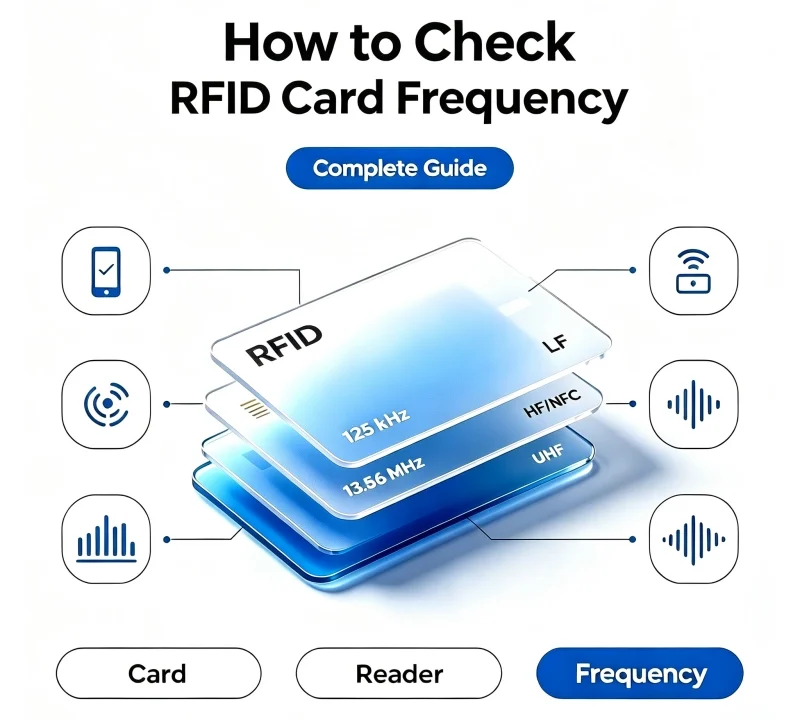
UHF RFID vs LF RFID (134.2 kHz)
| Feature | UHF RFID | LF RFID |
|---|---|---|
| Frequency | 860–960 MHz | 134.2 kHz |
| Reading Distance | 3–10 m | 10–50 cm |
| Multi-Tag Reading | Excellent | Limited |
| Reading Speed | Very Fast | Moderate |
| Large Herd Management | Excellent | Good |
| Gate Automation | Excellent | Limited |
LF RFID remains common in some national livestock identification systems because of established regulations, while UHF RFID is increasingly adopted for commercial smart farming due to its longer reading range and higher throughput.
UHF RFID vs QR Code Ear Tags
| Feature | UHF RFID | QR Code |
|---|---|---|
| Line-of-Sight Required | No | Yes |
| Automatic Reading | Yes | No |
| Batch Reading | Yes | No |
| Reading Speed | Very Fast | Slow |
| Outdoor Durability | Excellent | Moderate |
| Automation | Excellent | Limited |
QR codes are inexpensive but require manual scanning, making them less suitable for large commercial farms.
Installation Process
Installing UHF Sheep RFID Ear Tags is simple and efficient.
- Select the correct ear location.
- Sterilize the application area if required.
- Load the RFID tag into the ear tag applicator.
- Position the applicator between the ear veins.
- Press firmly to secure the locking mechanism.
- Verify the RFID number using a handheld reader.
- Register the tag in the livestock management system.
Proper placement helps reduce discomfort and improves tag retention.
Best Practices for Smart Farm Deployment
To maximize the value of RFID technology:
- Use high-quality RFID readers compatible with EPC Gen2 tags.
- Integrate RFID data with farm management software.
- Perform regular reader calibration.
- Train workers in proper tag application and scanning procedures.
- Maintain backup copies of livestock records.
- Combine RFID identification with automated weighing and health monitoring systems.
These practices improve operational efficiency and long-term data accuracy.
Future Trends in RFID Livestock Management
The future of smart farming is closely linked to RFID technology. Key developments include:
- Smaller and lighter ear tags for improved animal comfort.
- Higher-performance RFID chips with enhanced read sensitivity.
- Cloud-based livestock management platforms.
- AI-powered health and behavior analysis.
- Integration with GPS-enabled livestock tracking systems.
- Real-time analytics for breeding, feeding, and disease prevention.
- IoT-enabled smart farms with automated data collection.
These innovations will help farmers make better decisions while improving animal welfare and farm profitability.
Conclusion
The UHF Sheep Animal RFID Ear Tag is transforming modern livestock management by providing fast, reliable, and automated animal identification. Its long-range UHF technology, passive battery-free design, and durable construction enable farmers to manage large flocks more efficiently while reducing labor costs and improving data accuracy.
Compared with traditional visual tags, QR codes, and many low-frequency identification systems, UHF RFID offers superior reading distance, faster inventory management, and seamless integration with smart farming platforms. From breeding programs and veterinary care to transportation, traceability, and disease control, RFID ear tags deliver a complete digital identity for every animal.
As precision agriculture and smart farming continue to expand, UHF RFID ear tags will play an increasingly important role in improving productivity, ensuring regulatory compliance, enhancing animal welfare, and supporting data-driven livestock management for farms around the world.