September 14, 2026
RFID Smart Security Apparel Tag
It is encased with rough plastic,with the advantage of durable and reusable, offers cost-effective tagging solutions for industry customers and enables inventory visibility throughout the supply chain reducing shrinkage and out-of-stocks.
It integrates merchandise visibility and loss prevention into a single and synergistic solution.Opened with a strong magnet, Mainly applied to apparel tracking in retail store.

Physical Features: | ||||
Model | DO-A351 | Name | UHF SmartSecurity Clothes Tag | |
Material | ABS | Dimensions | 68.8*30.5*20.5mm | |
IP Code | IP54 | Weight | 12.6g | |
Working Temp | -20℃~80℃ | Storage Temp | -40℃~80℃ | |
RFID Features: | ||||
RFID Standard | EPC C1G2 (ISO18000-6C) | |||
Chip Type | Impinj Monza 4QT / Monza R6 | |||
EPC Memory | 128 bits | |||
User Memory | 512 bits | |||
Read Range(RFID) | 860-960MHz | >6.0 meters | ||
Other Features: | ||||
Data Storage | > 10 years | |||
Re-write | 100,000 times | |||
Customization | Company logo printing,Encoding,Locking EPC,Designing,etc | |||
Application | Ø Clothes security anti-theft Ø Apparel logistic tracking Ø Apparel retail management, Ø Clothes inventory management, Ø Other items security control,etc | |||
The global retail industry is rapidly adopting RFID smart security apparel tag technology to solve two major problems: inventory inaccuracy and retail theft. Traditional barcode systems and ordinary EAS (Electronic Article Surveillance) tags are no longer sufficient for modern apparel stores that require real-time inventory visibility, omnichannel fulfillment, self-checkout integration, and advanced anti-theft protection.
Today, RFID smart security apparel tag solutions are widely used by fashion retailers, supermarkets, luxury brands, sportswear companies, and department stores. From fast fashion stores to premium apparel brands, RFID technology has become a core component of smart retail transformation.
This article provides a complete overview of RFID smart security apparel tag technology, including working principles, product structures, applications, benefits, manufacturing materials, frequency standards, competitor analysis, and future industry trends.
What Is an RFID Smart Security Apparel Tag?
An RFID smart security apparel tag is an intelligent electronic tag attached to garments or fashion products for:
- Anti-theft protection
- Inventory management
- Product tracking
- Self-checkout systems
- Supply chain visibility
- Brand authentication
RFID stands for Radio Frequency Identification. The technology uses radio waves to identify and track products automatically without direct line-of-sight scanning.
Unlike traditional barcodes, RFID smart security apparel tags can store electronic product data and communicate with RFID readers remotely.
How RFID Smart Security Apparel Tags Work
An RFID smart security apparel tag mainly consists of:
- RFID chip
- Antenna
- Tag housing or label material
- Locking mechanism (for hard tags)
When apparel products pass through an RFID reader’s electromagnetic field, the tag transmits stored information to the reader. The system then sends data to retail software for inventory updates, theft detection, or checkout processing.
The entire process occurs within milliseconds.
Main Components of RFID Smart Security Apparel Tags
RFID Microchip
The chip stores:
- Product ID
- SKU information
- Manufacturing data
- Retail pricing
- Security status
Each garment receives a unique electronic identity.
RFID Antenna
The antenna transmits radio signals between the tag and reader.
Antenna performance directly affects:
- Reading distance
- Signal stability
- Multi-tag reading efficiency
Housing Material
RFID smart security apparel tags can use:
- ABS plastic
- PVC
- PET
- Fabric labels
- Paper hang tags
The material selection depends on:
- Apparel type
- Reusability requirements
- Retail environment
Locking Mechanism
Hard RFID tags commonly use:
- Magnetic locks
- Steel pin locks
- Ink security systems
These prevent unauthorized removal.
Types of RFID Smart Security Apparel Tags
Different retail applications require different tag structures.
1. RFID Hard Tags
RFID hard tags are reusable anti-theft devices attached to garments using pins or lanyards.
Features:
- High durability
- Strong anti-theft performance
- Long service life
- Reusable thousands of times
Applications:
- Fashion stores
- Luxury apparel
- Sportswear
- Department stores
2. RFID Soft Labels
Soft labels are adhesive RFID stickers embedded inside labels or packaging.
Advantages:
- Lower cost
- Lightweight
- Disposable
- Easy integration
Applications:
- Fast fashion
- Supermarkets
- Large-scale retail chains
3. RFID Hang Tags
Hang tags combine:
- Product branding
- Barcode
- RFID chip
- Price information
These tags are commonly attached to:
- Shirts
- Jackets
- Dresses
- Shoes
RFID hang tags are widely used in omnichannel retail systems.
4. Washable RFID Fabric Tags
These tags are embedded into textile labels and can survive:
- Washing
- Dry cleaning
- Ironing
Applications:
- Uniform management
- Rental garments
- Hotel linens
- Healthcare apparel
Main Frequencies Used in RFID Smart Security Apparel Tags
UHF RFID (860–960 MHz)
The most common apparel RFID frequency.
Advantages:
- Long reading distance
- Fast bulk scanning
- Multi-tag reading
UHF RFID is widely adopted in apparel inventory systems.
HF RFID (13.56 MHz)
HF RFID provides:
- Better short-range stability
- Higher security
Commonly used for:
- Luxury authentication
- Smart fitting rooms
- Brand interaction
Key Applications of RFID Smart Security Apparel Tags
1. Retail Anti-Theft Systems
Retail theft causes billions of dollars in annual losses globally. RFID smart security apparel tags help retailers reduce shrinkage while improving customer experience.
When unpaid products pass exit gates:
- RFID antennas detect the tag
- Alarm systems activate
- Staff receive notifications
Unlike traditional EAS systems, RFID solutions also identify exactly which item triggered the alarm.
2. Real-Time Inventory Management
Inventory accuracy is one of the biggest challenges in apparel retail.
Traditional barcode systems often achieve only 65–75% inventory accuracy, while RFID systems can reach 95–99%.
Benefits include:
- Faster stock counting
- Real-time inventory visibility
- Reduced stock loss
- Improved replenishment
Retailers can scan hundreds of garments simultaneously.
3. Self-Checkout Systems
RFID smart security apparel tags support cashier-less and self-checkout retail environments.
Customers can:
- Place multiple items on scanners
- Complete payment automatically
- Exit stores without manual barcode scanning
This improves:
- Checkout speed
- Customer experience
- Labor efficiency
4. Omnichannel Retail Fulfillment
Modern retailers operate across:
- Physical stores
- Online shops
- Mobile commerce
- Warehouse systems
RFID enables accurate product tracking across all channels.
Benefits:
- Better order fulfillment
- Reduced shipping errors
- Real-time stock synchronization
5. Smart Fitting Rooms
Some fashion retailers integrate RFID systems into fitting rooms.
When customers bring garments inside:
- RFID readers detect products
- Smart mirrors display product information
- Cross-selling recommendations appear
This creates interactive shopping experiences.
6. Luxury Brand Authentication
Counterfeit prevention is a major concern for luxury apparel brands.
RFID smart security apparel tags help verify:
- Product authenticity
- Manufacturing origin
- Distribution history
This protects brand reputation.
RFID Smart Security Apparel Tag Technical Specifications
| Item | Specification |
|---|---|
| Frequency | UHF 860–960 MHz / HF 13.56 MHz |
| Reading Distance | 1–10 meters |
| Chip Type | EPC Gen2 / NFC |
| Material | ABS, PET, PVC, Paper |
| Data Storage | EPC, User Memory |
| Working Temperature | -20℃ to 70℃ |
| Reusability | Disposable or Reusable |
| Waterproof Option | Available |
| Printing Support | Barcode, QR Code, Logo |
Advantages of RFID Smart Security Apparel Tags
Faster Inventory Counting
Retail staff can scan entire racks within seconds instead of manually scanning individual barcodes.
Improved Loss Prevention
RFID systems provide:
- Real-time theft alerts
- Product-level tracking
- Exit monitoring
Research shows security tagging reduces retail theft significantly.
Better Customer Experience
Customers benefit from:
- Faster checkout
- Better product availability
- Reduced waiting time
Retailers avoid the “everything behind glass” shopping experience.
Labor Cost Reduction
RFID automation reduces manual tasks such as:
- Stock counting
- Product searching
- Checkout operations
Enhanced Supply Chain Visibility
Retailers can track products from:
- Manufacturing
- Distribution centers
- Warehouses
- Retail stores
This improves operational efficiency.
RFID Smart Security Apparel Tag Manufacturing Process
Step 1: Chip Bonding
The RFID chip is attached to the antenna.
Step 2: Antenna Etching
Manufacturers create aluminum or copper antennas.
Step 3: Lamination
Protective materials cover the electronic components.
Step 4: Tag Assembly
Housing and locking components are assembled.
Step 5: Encoding
Each tag receives unique EPC data.
Step 6: Testing
Manufacturers test:
- Reading performance
- Lock strength
- Durability
- Frequency stability
RFID Smart Security Apparel Tag vs Barcode Systems
| Feature | RFID Tag | Barcode |
|---|---|---|
| Line-of-Sight Needed | No | Yes |
| Multi-Item Scanning | Yes | No |
| Reading Speed | Very Fast | Slow |
| Data Capacity | High | Low |
| Security Functions | Yes | Limited |
| Inventory Accuracy | 95–99% | 65–75% |
RFID technology significantly outperforms traditional barcode systems in apparel retail.
RFID Smart Security Apparel Tag vs Traditional EAS Tags
| Feature | RFID Tag | Traditional EAS |
|---|---|---|
| Inventory Tracking | Yes | No |
| Product Identification | Yes | No |
| Anti-Theft | Excellent | Good |
| Self-Checkout Support | Yes | Limited |
| Omnichannel Integration | Yes | No |
| Cost | Higher | Lower |
Traditional EAS tags only trigger alarms, while RFID systems provide intelligent product tracking and retail analytics.
Competitive Analysis of RFID Smart Security Apparel Tags
Several technologies compete within the retail security market.
RFID vs QR Codes
RFID Advantages
- No manual scanning
- Bulk reading
- Better automation
- Anti-theft integration
QR Code Advantages
- Lower cost
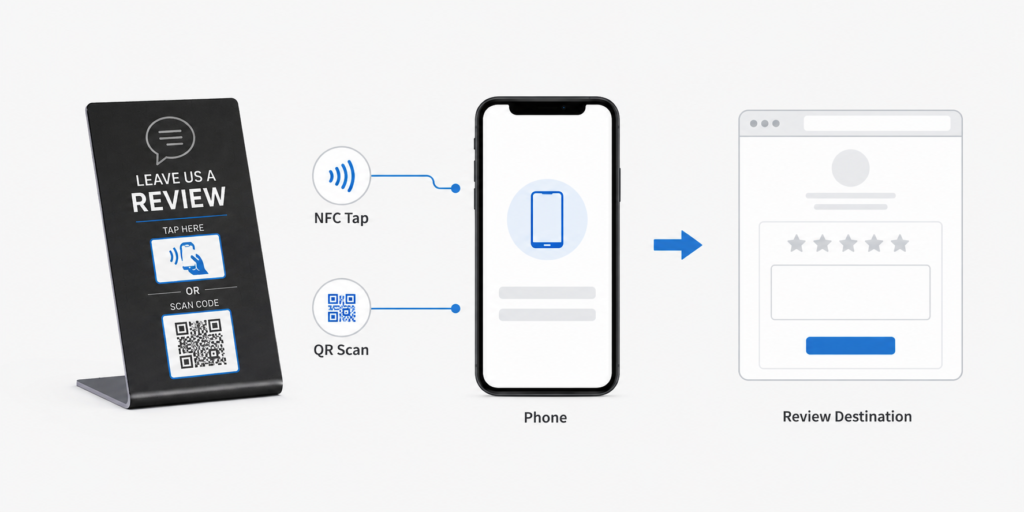
- Easy smartphone scanning
RFID is more suitable for enterprise-scale apparel retail.
RFID vs NFC
RFID Advantages
- Longer reading distance
- Faster bulk scanning
- Better warehouse performance
NFC Advantages
- Smartphone compatibility
- Consumer interaction
NFC is often used for luxury brand engagement, while RFID dominates inventory management.
RFID vs Bluetooth Tracking
RFID Advantages
- Lower power consumption
- Lower tag cost
- Better mass deployment
Bluetooth Advantages
- Real-time location tracking
Bluetooth solutions are usually more expensive for apparel tagging.
Challenges of RFID Smart Security Apparel Tags
Although RFID technology offers major benefits, some challenges remain.
Higher Initial Investment
RFID systems require:
- Readers
- Software
- Infrastructure
- Integration
However, long-term operational savings often justify the investment.
Signal Interference
Metal and liquid environments may reduce reading performance.
Proper antenna placement helps minimize interference.
Privacy Concerns
Some consumers worry about RFID tracking after purchase.
Retailers often deactivate tags at checkout to address privacy concerns.
Future Trends of RFID Smart Security Apparel Tags
The RFID apparel industry continues evolving rapidly.
Future trends include:
- AI-powered retail analytics
- Cashier-less stores
- Smart shelves
- Blockchain authentication
- Digital product passports
- Sustainable reusable tags
RFID systems are also increasingly integrated with:
- Computer vision
- IoT systems
- Cloud retail platforms
- Smart mirrors
Research into AI-enhanced RFID security systems is also expanding.
Why Global Apparel Retailers Are Adopting RFID
Major fashion retailers increasingly deploy RFID because it helps:
- Reduce theft
- Improve inventory accuracy
- Increase sales
- Optimize omnichannel operations
- Enhance customer experience
Large retailers now tag billions of garments annually.
As RFID hardware costs continue decreasing, adoption is accelerating worldwide.
Conclusion
RFID smart security apparel tag technology has transformed modern retail by combining anti-theft protection, real-time inventory visibility, intelligent checkout systems, and omnichannel supply chain management into a single solution.
Compared with traditional barcode systems and conventional EAS tags, RFID smart security apparel tags provide superior efficiency, accuracy, automation, and data intelligence. From fashion retailers and luxury brands to supermarkets and warehouse operators, RFID solutions are becoming essential for competitive retail operations.
With advancements in AI, IoT, cloud computing, and smart retail infrastructure, RFID smart security apparel tags will continue shaping the future of intelligent apparel retail and global supply chain management.

Do RFID is a leading China-based manufacturer with over 15 years of experience. We specialize in customized RFID readers, tags, and cards, delivering high-quality, tailored solutions that meet your unique business needs and drive seamless, efficient identification.