
What Is an RFID Disc Tag?
An RFID Disc Tag is a circular RFID tag enclosed in a hard or semi-hard housing, typically made from ABS, PPS, epoxy, or PC materials. Inside the disc are three essential components:
- RFID chip – stores a unique ID and optional user data
- Antenna – enables wireless communication
- Protective housing – shields the electronics from water, impact, heat, and chemicals
Most RFID disc tags operate in the UHF (860–960 MHz) range and comply with EPC Class 1 Gen 2 / ISO 18000-6C standards, though HF (13.56 MHz) versions also exist for short-range use.
Their round shape is not cosmetic—it offers structural balance, durability, and easy attachment to fabric, plastic, or metal surfaces.
- Date
- July 10, 2026
The NTAG424 DNA Coin Tag – Rugged NFC Coin Tag is a durable, waterproof NFC tag designed for B2B applications requiring secure data exchange and authentication. It features:
- NTAG424 DNA Security: AES-128 encryption with Secure Unique NFC (SUN) and Secure Dynamic Messaging (SDM) for advanced data protection.
- Rugged & Waterproof Build: PVC construction with IP68 rating, operating reliably from -25°C to +85°C.
- Universal Compatibility: NFC Forum Type 4 compliant and ISO/IEC 14443A certified for seamless use with all modern smartphones.
- Date
- February 6, 2026
Technical Parameters (Typical) From a buyer’s perspective, these are the specifications that actually matter: Operating Frequency: 13.56 MHz Standard: ISO/IEC 14443A / 14443B Read Range: 2–10 […]- Date
- February 3, 2026
In modern operations, physical assets move faster than spreadsheets can keep up with. Pallets circulate between warehouses, cartons pass through multiple logistics nodes, machines change locations […]
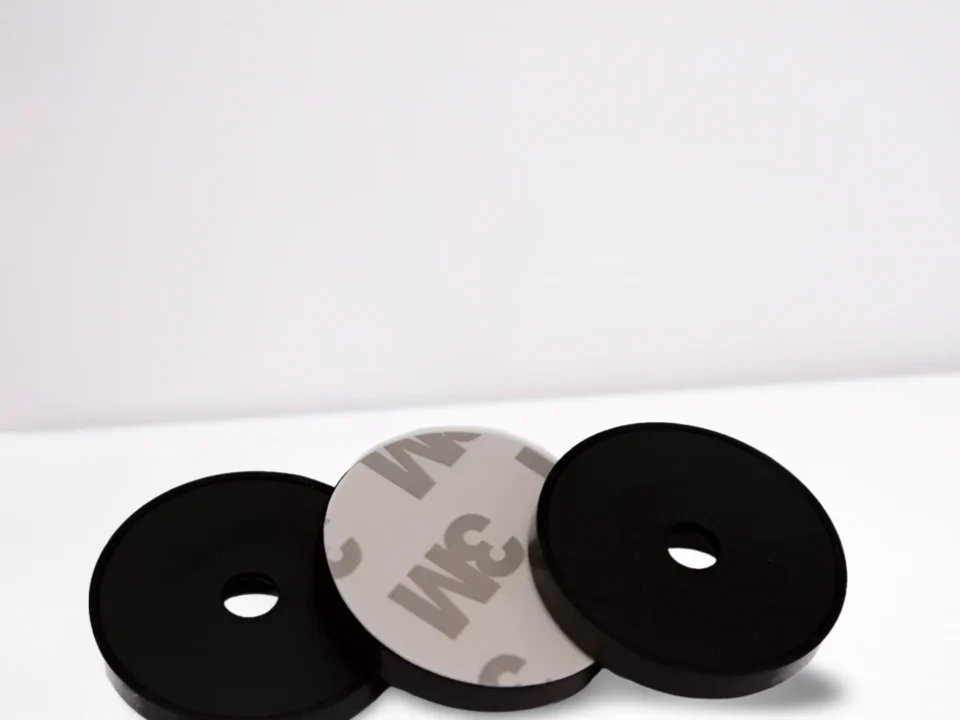
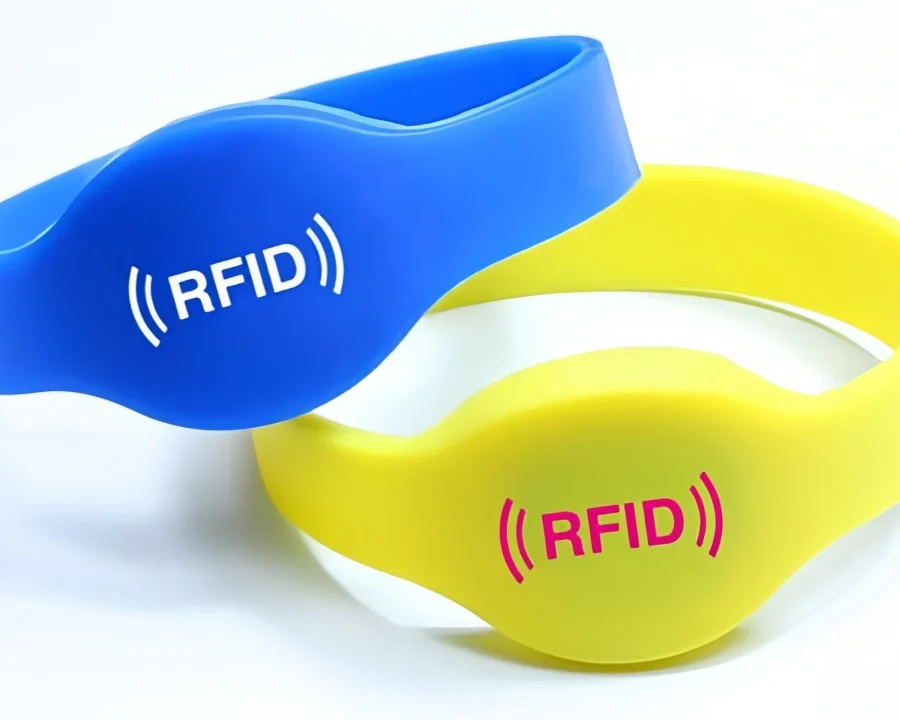
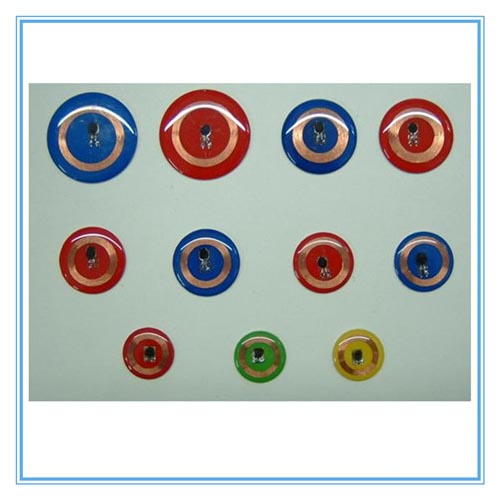
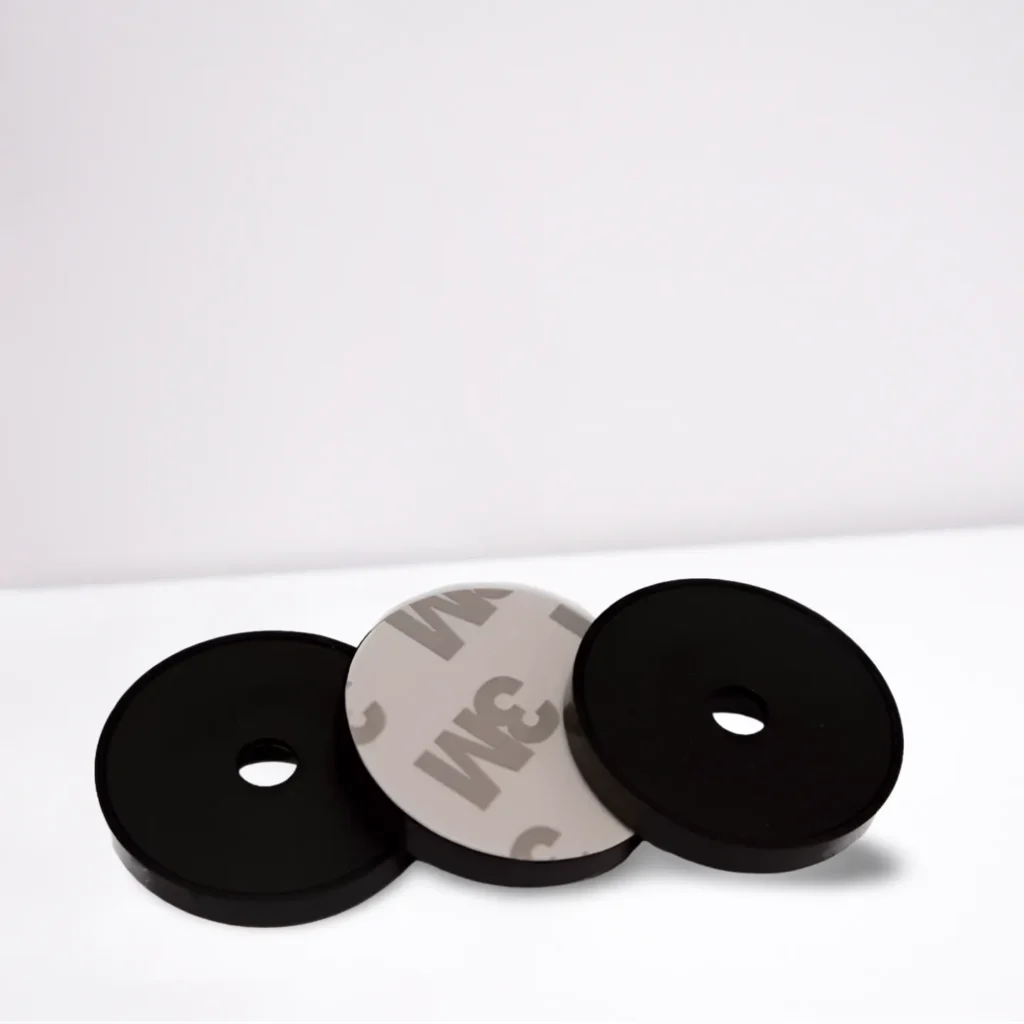
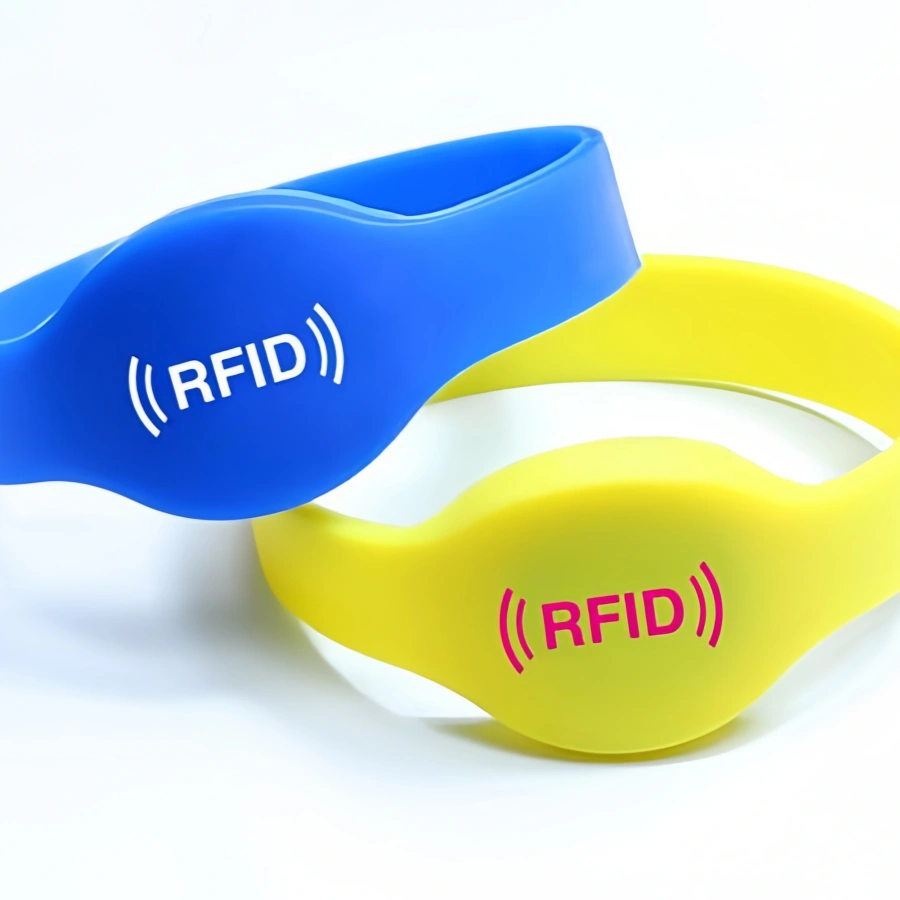
As RFID technology continues to reshape how businesses track products, manage inventory, and automate operations, one small but powerful component keeps showing up across industries: the RFID Disc Tag. Compact, durable, and surprisingly versatile, RFID disc tags have become a go-to solution for applications ranging from apparel management to industrial asset tracking.
This article provides a comprehensive look at what RFID disc tags are, how they are used, how they can be customized for clothing and textiles, what measurable effects they create, and why businesses increasingly rely on them instead of traditional labels or barcodes.
Key Characteristics of RFID Disc Tags
RFID disc tags stand out because they are:
- Compact and lightweight
- Highly durable (waterproof, shock-resistant, chemical-resistant)
- Reusable with long data retention
- Readable without line of sight
- Suitable for harsh environments
Because of these traits, disc tags are often used where paper labels fail or where tags must survive washing, friction, pressure, or outdoor exposure.
How to Use RFID Disc Tags
1. Tag Attachment Methods
RFID disc tags can be attached in several ways depending on the application:
- Sew-in or heat-sealed into garments
- Hanging or button-style attachment for apparel
- Screw-mounted or riveted onto assets
- Adhesive-backed for smooth surfaces
- Embedded during product manufacturing
For clothing and textiles, attachment is carefully designed to ensure comfort, washability, and long-term reliability.
2. Tag Encoding
Before deployment, RFID disc tags are encoded with data such as:
- Unique EPC number
- Product SKU
- Size, color, batch, or model information
- Asset ID or lifecycle data
Encoding can be done using fixed RFID readers or handheld RFID writers, allowing bulk programming or on-site updates.
3. Reading and Tracking
Once deployed, RFID disc tags can be read by:
- Fixed readers at gates, shelves, or conveyors
- Handheld readers for inventory checks
- Embedded readers in smart cabinets or machines
This enables real-time tracking, automated inventory counting, and data synchronization with ERP, WMS, or POS systems.
RFID Disc Tags in Apparel and Clothing Customization
Why Apparel Needs RFID Disc Tags
The fashion and apparel industry faces unique challenges:
- High SKU complexity (size, color, style)
- Frequent inventory turnover
- Omnichannel sales (online + offline)
- High loss and shrinkage rates
RFID disc tags solve these problems by turning each garment into a digitally identifiable item.
How RFID Disc Tags Are Customized for Clothing
Customization typically includes:
1. Size and Thickness Optimization
For garments, tags must be:
- Thin enough to remain comfortable
- Small enough to be discreet
- Durable enough to survive washing and handling
Disc tags used in apparel are often laundry-resistant, withstanding high temperatures, detergents, and mechanical stress.
2. Attachment Style Customization
Common apparel attachment options include:
- Button-style disc tags
- Sew-in disc tags
- Hanging disc tags with soft pins
These methods allow easy removal or reuse depending on the retail workflow.
3. Brand and Visual Customization
RFID disc tags can be customized with:
- Logo printing
- Laser engraving
- Color-matched housings
- Serial numbers or QR codes
This helps align the tag with brand identity while retaining full RFID functionality.
What Effects RFID Disc Tags Create in Apparel Retail
The impact is measurable and significant:
- Inventory accuracy improves to over 95%
- Stock counting time reduced by up to 90%
- Shrinkage and loss reduced
- Faster replenishment and restocking
- Improved omnichannel fulfillment
Retailers using RFID disc tags often gain real-time visibility into what is on shelves, in storage, or in transit—something barcodes simply cannot deliver.
Other Major Applications of RFID Disc Tags
1. Laundry and Textile Management
In hotels, hospitals, and uniform services, RFID disc tags are embedded in linens or garments to track:
- Wash cycles
- Usage frequency
- Loss and replacement rates
These tags survive hundreds of wash cycles, making them ideal for textile lifecycle management.
2. Asset and Equipment Tracking
RFID disc tags are widely used to track:
- Tools and machinery
- Medical equipment
- Returnable containers
- IT assets
Their rugged design ensures reliable performance in industrial environments.
3. Access Control and Identification
HF RFID disc tags are used in:
- Locker systems
- Membership identification
- Event access control
Their small size and durability make them suitable for daily handling.
Cost Considerations and ROI
While RFID disc tags cost more upfront than paper labels, they deliver strong ROI by:
- Reducing labor costs
- Minimizing losses
- Improving inventory turnover
- Supporting automation and data analytics
For apparel and textile operations, the payback period is often surprisingly short due to efficiency gains.
Tips for Bulk Purchasing RFID Disc Tags
When buying RFID disc tags in volume, consider:
- Chip selection (memory size, sensitivity)
- Material quality (ABS vs PPS vs epoxy)
- Read range requirements
- Environmental resistance
- Customization capabilities
- Factory ownership and quality control
Low-cost tags may suffer from inconsistent performance, weak antennas, or poor housing—leading to higher long-term costs.
Conclusion
The RFID Disc Tag is a small component with a big impact. From apparel customization and laundry management to asset tracking and retail automation, it provides durability, reliability, and scalability that other tagging methods cannot match.
By enabling real-time visibility, reducing manual work, and supporting digital transformation, RFID disc tags help businesses move from reactive management to data-driven, automated operations.
For companies seeking long-term efficiency, accuracy, and competitive advantage, RFID disc tags are not just an option—they are a strategic tool.