August 13, 2026
Custom plastic NFC PVC NTAG213 cards combine contactless NFC technology with a durable, printable card format. Built with the NXP NTAG213 NFC chip, these cards are suitable for applications that need a compact NFC data carrier, including access control, hotel key cards, membership programs, product information, business cards, event credentials, and other smart card applications.
The standard card size is 85.5 × 54 mm, with customized sizes and thicknesses available for different projects. PVC, ABS, and PET materials can be selected according to the required durability, appearance, and operating environment.
The NTAG213 chip supports NFC Forum Type 2 Tag and ISO/IEC 14443 Type A standards. It provides 144 bytes of freely available user memory and supports read/write operation with configurable read-only locking. The card can also be pre-encoded before shipment, making it suitable for projects that require both custom printing and NFC data programming.
Specifications
NTAG213 Card is designed to fully comply to NFC Forum Type 2 Tag and ISO/IEC14443 Type A specifications. Based on the NTAG213 chip from NXP, Ntag213 offers advanced security, anti-cloning features as well as a permanent lock features, therefore user data can be permanently configured read-only.
| Material | PVC/ABS/PET(high temperature resistance ) etc |
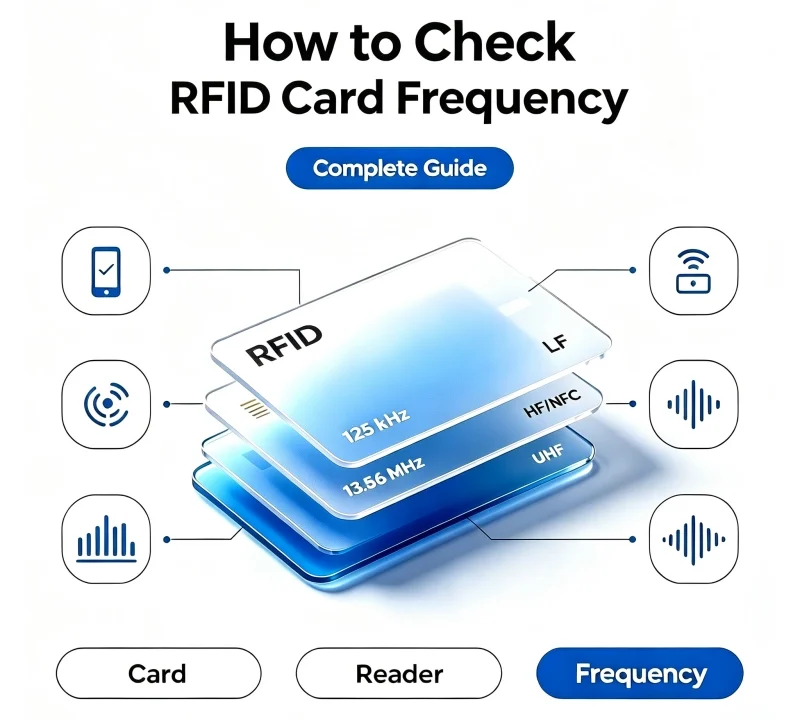
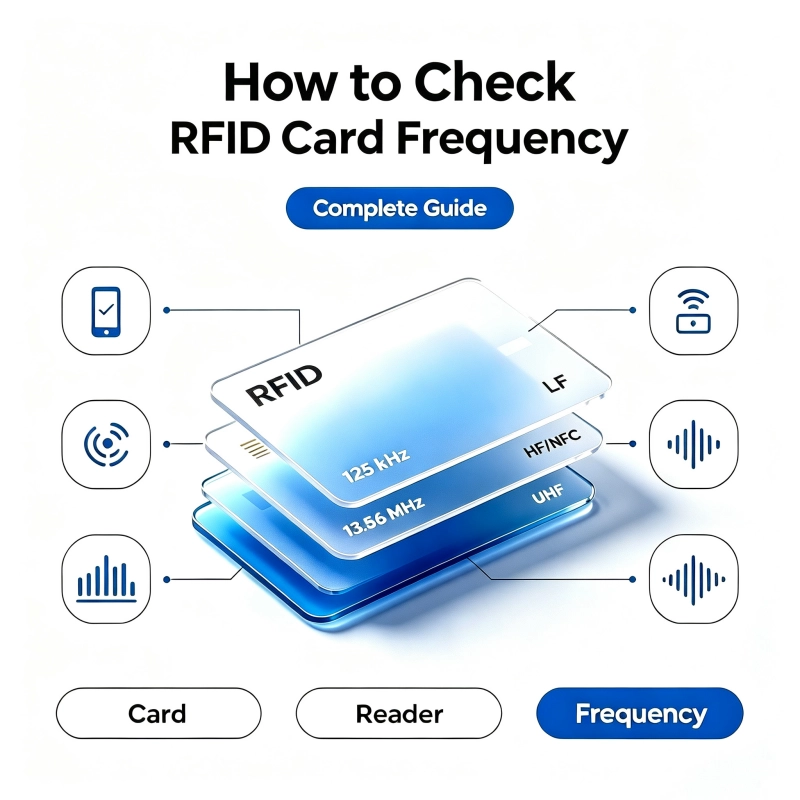
| Frequency | 13.56Mhz |
| Size | 85.5*54mm or customized size |
| Thickness | 0.76mm,0.8mm,0.9mm etc |
| Chip Memory | 144 Byte |
| Encode | Available |
| Printing | Offset ,silkscreen Printing |
| Read range | 1-10cm (depend on the reader and reading environment) |
| Operation temperature | PVC:-10°C -~+50°C;PET: -10°C~+100°C |
| Application | Access Control, Payment, hotel key card, resident key card, attendance system ect |
NTAG213 NFC Card is one of original NTAG® card. Seamlessly working with NFC readers as well ascompatible with all NFC enabled devices and conform to ISO 14443. The 213 chip has a read-write lockfunction that makes the cards can be edited repeatedly or read-only.
Due to the excellent safety performance and better RF performance of Ntag213 chip, Ntag213 print card is widely used in financial management, communications telecommunications, social security, transportation tourism, health care, government administration, retail, storage and transportation, member management, access control attendance, identification, highways, hotels, entertainment, school management, etc.
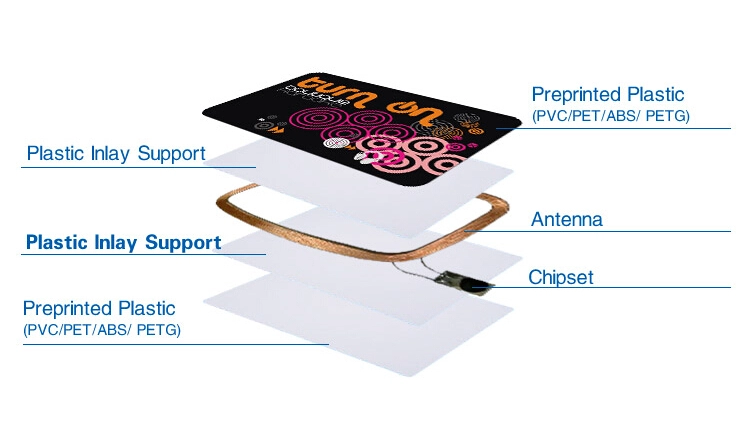


What Is an NTAG213 NFC Card?
NTAG213 is an NFC tag IC developed by NXP Semiconductors for mass-market NFC applications. It is compliant with NFC Forum Type 2 Tag and ISO/IEC 14443 Type A specifications, allowing it to communicate with compatible NFC readers and NFC-enabled devices.
The chip provides 144 bytes of freely available user memory. This capacity is well suited to common NFC applications such as website URLs, contact information, short text, identification data, digital profiles, product information, and other lightweight NDEF records.
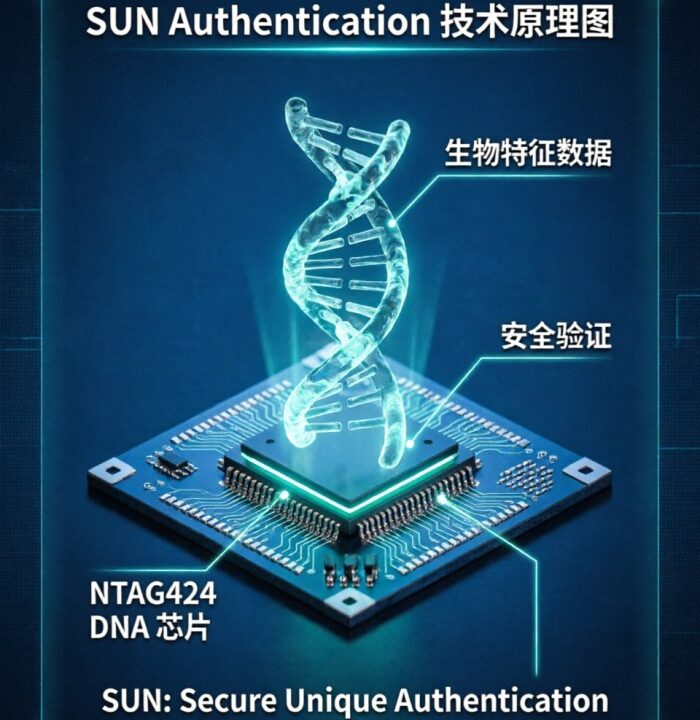
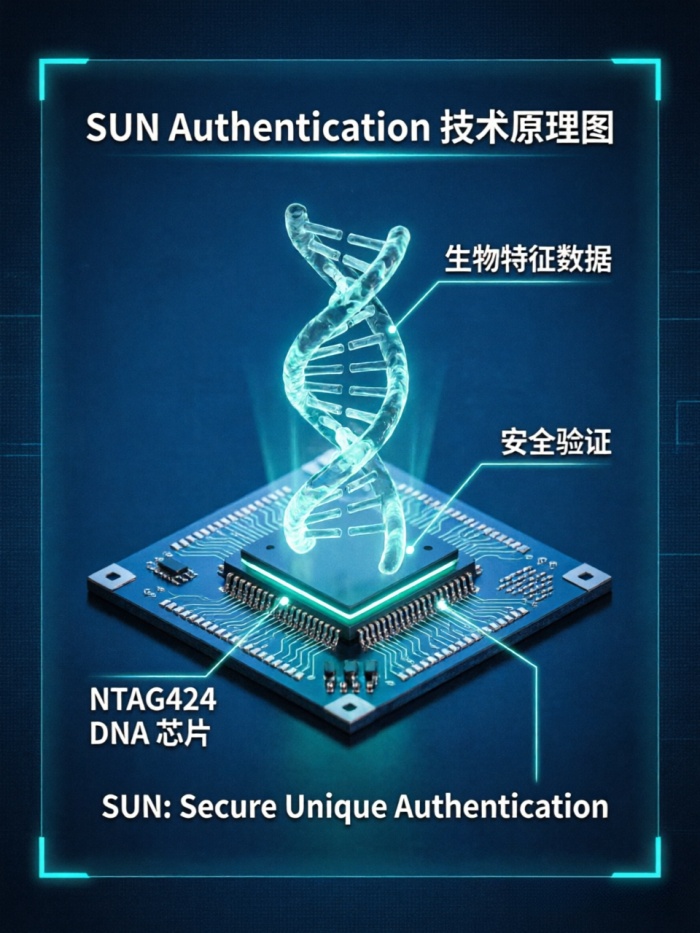
The NTAG213 also includes features such as a 7-byte unique identifier, read-only locking, password protection, NFC counter functionality, and an ECC-based originality signature. These features can help support controlled NFC applications, although the overall security of a card system depends on the complete reader, software, backend, and authentication architecture rather than the NFC chip alone.
Why Choose Custom NTAG213 PVC Cards?
A custom NTAG213 PVC card provides more flexibility than a standard NFC inlay or sticker when the card needs to be printed, branded, handled frequently, or integrated into an existing identification system.
The PVC card format is similar to a conventional plastic ID or membership card. It can include a company logo, QR code, serial number, employee information, event branding, or other visual elements while keeping the NFC function inside the card.
For businesses ordering NFC cards in volume, the same card can be produced with both customized artwork and programmed NFC data. This makes the card suitable for projects where visual identification and contactless interaction are required in the same product.
NTAG213 vs NTAG215 vs NTAG216
NTAG213, NTAG215, and NTAG216 belong to the same NXP NTAG21x family. The main difference for most card projects is available user memory.
| Feature | NTAG213 | NTAG215 | NTAG216 |
|---|---|---|---|
| User Memory | 144 bytes | 504 bytes | 888 bytes |
| NFC Forum Type 2 | Yes | Yes | Yes |
| ISO/IEC 14443 Type A | Yes | Yes | Yes |
| Frequency | 13.56 MHz | 13.56 MHz | 13.56 MHz |
| Typical Use | URLs, short data, ID | Larger NDEF data | Larger data records |
| Best Choice When | Cost and compact data matter | More memory is required | Maximum memory is required |
For many standard NFC card applications, NTAG213 offers sufficient memory without paying for unused capacity. If the application requires larger NDEF records or more data storage, NTAG215 or NTAG216 may be more appropriate.
NXP specifies 144 bytes of user memory for NTAG213, 504 bytes for NTAG215, and 888 bytes for NTAG216.
Custom NFC Card Materials
Different card materials can be selected according to the project environment and durability requirements.
| Material | Main Characteristics | Recommended Applications |
|---|---|---|
| PVC | Standard plastic card material with good printability | Membership cards, hotel cards, ID cards |
| ABS | Strong plastic construction | Durable cards and industrial applications |
| PET | Higher temperature resistance than standard PVC | Applications exposed to elevated temperatures |
PVC is the most common option for general-purpose custom NFC cards because it provides a balance between cost, appearance, print quality, and durability.
For environments with higher temperature requirements, PET can be considered. The actual material selection should be based on the operating temperature, mechanical requirements, printing process, and card construction.
Custom NFC Card Size and Thickness
The standard card format is 85.5 × 54 mm, which is similar to the size commonly used for plastic identification and membership cards.
Custom dimensions can also be considered when the NFC card needs to fit a specific holder, product package, device, access system, or promotional format.
Common thickness options include 0.76 mm, 0.8 mm, and 0.9 mm. Custom thicknesses may also be available depending on the card structure and production requirements.
When choosing a customized size, the antenna position should be considered carefully. Changes in card dimensions, materials, metal components, or surrounding objects can affect NFC communication performance.
Custom Printing for NTAG213 Cards
The NFC card can be customized with printed graphics to match a company’s branding or application requirements.
Available printing methods include offset printing and silk-screen printing. Typical printed elements can include:
- Company logos
- Brand colors
- Employee or member information
- Serial numbers
- QR codes
- Website addresses
- Event graphics
- Instructions for NFC use
- Product identification information
For cards that combine NFC and QR code functions, users can interact with the card either by tapping an NFC-enabled device or scanning the printed QR code.
For high-volume orders, artwork should be prepared according to the manufacturer’s printing specifications. It is also recommended to confirm bleed, resolution, color requirements, numbering, and variable-data requirements before production.
NFC Encoding and Data Programming
Custom NTAG213 cards can be supplied with NFC data encoded before shipment. This can simplify deployment when hundreds or thousands of cards need to be distributed with predefined information.
Common NFC data types include:
| NFC Data Type | Example Use |
|---|---|
| URL | Website, landing page, product page |
| Text | Short instructions or information |
| Contact Information | Digital business card |
| Identification Data | Membership or asset reference |
| Social Profile | Digital profile or social media page |
| Application Link | Open a mobile application or web service |
| Custom NDEF Record | Application-specific NFC data |
For many applications, the NFC tag stores a URL rather than a large amount of business data. This approach makes it possible to update the content on the server without physically replacing the NFC card.
The card can also be programmed as read/write and subsequently locked as read-only when the NFC data should not be changed after deployment.
Read/Write and Read-Only NFC Cards
One advantage of NTAG213 is its configurable locking capability.
During production or deployment, the NFC memory can remain writable when information needs to be updated. Once the final data has been confirmed, the appropriate memory area can be locked to prevent further modification.
This creates two practical workflows:
| Card Configuration | Suitable For |
|---|---|
| Read/Write | Marketing campaigns, editable profiles, reusable cards |
| Read-Only | Fixed URLs, product information, permanent identification |
| Password Protected | Applications requiring restricted write access |
Read-only locking should be used carefully because permanently locked data cannot simply be edited like a normal writable NFC tag.
NFC Smartphone Compatibility
NTAG213 is designed for NFC communication and can be used with compatible NFC-enabled smartphones and NFC readers.
For simple applications such as opening a URL, the user can normally tap the card with an NFC-enabled device and interact with the stored NDEF information.
However, smartphone behavior can vary depending on the operating system, device model, NFC settings, browser configuration, and the type of NDEF record stored on the card. Therefore, real-device testing is recommended before mass production.
For access control, hotel systems, or other specialized applications, compatibility should be confirmed with the specific NFC reader and software system rather than assuming that every NFC-enabled device will support the same workflow.
Common Applications of NTAG213 PVC Cards
NTAG213 cards can be used across a wide range of contactless applications.
Access Control
An NFC card can be integrated into an access control system when the reader and software are designed to work with the selected NFC technology.
Hotel and Hospitality
Custom NFC cards can be used for guest information, room-related services, loyalty programs, digital menus, and other hospitality applications. Whether an NTAG213 card can function as an actual hotel room key depends on the hotel’s existing lock system.
Membership and Loyalty
Membership cards can combine printed customer information with an NFC function. Tapping the card can open a membership page, digital profile, loyalty platform, or customer portal.
Business Cards
A custom NTAG213 business card can store a URL pointing to a digital profile. Users can tap the card to access contact information without manually entering a website address.
Product Information
Manufacturers can place a unique NFC card or identifier on products and connect the NFC interaction to a product page, manual, warranty registration, or authentication service.
Events and Identification
NFC cards can be customized for conferences, exhibitions, schools, clubs, and events. Printed information provides visual identification while NFC provides a contactless digital interaction.
Smart Marketing
Marketing cards can use NFC to connect physical materials with online content. A single tap can direct customers to a campaign page, product catalog, promotional offer, or registration form.
NTAG213 NFC Card vs Standard RFID Card
NFC and RFID are related technologies, but not every RFID card provides the same functionality.
| Feature | NTAG213 NFC Card | Generic RFID Card |
|---|---|---|
| Frequency | 13.56 MHz | Depends on RFID technology |
| NFC Smartphone Interaction | Yes, with compatible devices | Not necessarily |
| NFC Forum Type 2 | Yes | Not necessarily |
| URL / NDEF | Supported | Depends on chip |
| Custom Printing | Available | Commonly available |
| Read/Write | Supported | Depends on chip |
| Best For | NFC interaction and smart data | Identification and access applications |
When selecting a card, the chip technology should be matched to the reader system. A card should not be selected solely because it is described as “RFID” or “NFC.”
NTAG213 Security Features
NTAG213 includes several chip-level features intended to support data protection and authenticity-related applications.
The chip provides a unique 7-byte identifier and supports configurable password protection and read-only locking. NXP also specifies an ECC-based originality signature for the NTAG21x family.
However, these features should not be interpreted as making every NTAG213 card impossible to copy. Security depends on how the complete system validates the card, UID, stored data, cryptographic information, backend records, and reader interaction.
For high-security access control or payment-related applications, the complete system should be evaluated by a qualified security engineer before choosing NTAG213.
What Can You Store on an NTAG213 Card?
The 144-byte user memory of NTAG213 is suitable for relatively small amounts of information.
A practical approach is to store a short URL that points to information hosted online. For example, a printed product card could contain an NFC link to a product page rather than attempting to store the entire product description directly on the chip.
This approach keeps the NFC payload small and allows the online content to be changed without rewriting every card.
For applications that require substantially more NFC memory, NTAG215 or NTAG216 can provide 504 or 888 bytes of user memory respectively.
How to Order Custom NTAG213 NFC Cards
Before placing a production order, it is useful to confirm the complete card specification rather than only the chip type.
Recommended information includes:
- Required NFC chip: NTAG213 or another NTAG model
- Card size and thickness
- Card material
- Printing artwork
- Required quantity
- NFC encoding requirements
- Data format or NDEF records
- Whether cards should remain writable or be locked
- Required numbering or UID-related information
- Target NFC readers or smartphones
- Required operating environment
- Packaging and delivery requirements
For large projects, a sample-production stage is recommended. Test the physical card, printed artwork, NFC performance, encoding, and compatibility with the actual reader or mobile devices before approving mass production.
NTAG213 NFC Card Quality Checklist
A reliable custom NFC card project should consider more than the chip itself.
| Quality Check | Why It Matters |
|---|---|
| Chip authenticity | Ensures the specified IC is used |
| Antenna performance | Affects read reliability and range |
| NFC encoding | Ensures correct data is written |
| Print quality | Maintains brand appearance |
| Card dimensions | Ensures compatibility with holders and systems |
| Surface durability | Important for frequent handling |
| Read/write testing | Confirms NFC functionality |
| Smartphone testing | Checks real-world user interaction |
| Sample approval | Reduces mass-production risk |
Testing a production sample is particularly important when the card uses custom materials, unusual dimensions, metal components, or a non-standard antenna design.
Frequently Asked Questions
Is NTAG213 a good choice for NFC cards?
NTAG213 is a practical choice when the application needs a standard NFC Type 2 Tag with 144 bytes of user memory. It is particularly suitable for URLs, short NDEF records, digital business cards, product information, and other lightweight NFC applications.
Can NTAG213 cards be customized?
Yes. The card body can be customized in size, material, thickness, printing, and NFC encoding according to the production requirements.
Can an NTAG213 card be rewritten?
Yes. NTAG213 supports read/write operation. Specific memory areas can also be locked as read-only when the data should no longer be changed.
Can an NTAG213 card work with a smartphone?
NTAG213 is designed for NFC communication and can work with compatible NFC-enabled smartphones. Actual behavior depends on the phone, operating system, NFC settings, and stored data format.
What is the difference between NTAG213 and NTAG215?
The primary difference is user memory. NTAG213 provides 144 bytes, while NTAG215 provides 504 bytes. NTAG216 provides 888 bytes. Choose the smallest memory size that comfortably meets the application requirements.
What is the read range of an NTAG213 card?
The product specification lists a typical range of approximately 1–10 cm, while NXP specifies an operating distance of up to 100 mm depending on factors such as field strength and antenna geometry. Actual performance can vary significantly between readers and environments.
Can the card be used for access control?
It can be used in an access control solution when the access control reader and software support the NTAG213 technology. The complete system should be tested for compatibility and security before deployment.
Can the card be used as a payment card?
NTAG213 is an NFC Type 2 Tag IC and should not automatically be treated as a bank payment card. Payment functionality depends on the payment system, secure element, application, certification, and complete infrastructure. For payment projects, the required chip and security architecture should be specified separately.
Get Custom NTAG213 NFC Cards for Your Project
Custom NTAG213 PVC cards provide a practical combination of NFC functionality, professional card printing, and flexible customization. With 13.56 MHz contactless communication, 144 bytes of user memory, NFC Forum Type 2 compliance, and configurable read/write locking, NTAG213 is well suited to many everyday NFC applications.
Choose PVC for standard card applications, PET when higher temperature resistance is required, or another suitable material when the project has specific mechanical or environmental requirements.
For a custom NFC card project, provide the required card size, material, thickness, artwork, quantity, NFC chip, encoding data, and target reader or smartphone model. A production sample can then be evaluated before full-scale manufacturing.
If you need a customized NFC card, please contact us.