September 14, 2026
In today’s hyper-connected world, seamless, secure, and contactless interactions are no longer a luxury but a fundamental expectation. Near Field Communication (NFC) technology stands at the forefront of this revolution, powering a vast ecosystem of applications that touch nearly every aspect of our daily lives—from the moment we unlock our office door to the instant we pay for our morning coffee. At its core, the humble NFC card is a sophisticated yet unassuming device that leverages radio frequency identification (RFID) principles to enable these frictionless experiences.
At DO RFID Reader, we are not just suppliers; we are partners in your journey towards a more efficient, secure, and connected future. We offer a comprehensive and meticulously curated range of NFC cards, engineered to meet the unique and evolving needs of businesses across all sectors and individuals seeking reliable, modern solutions. Our commitment extends beyond product provision; we aim to be your trusted advisor, guiding you through the complex landscape of NFC standards, applications, and customizations to ensure you select the perfect solution for your specific challenge.
This definitive guide, “NFC Cards: Everything You Need to Know,” is designed to demystify this powerful technology. We will delve deep into the technical foundations, explore the diverse families of NFC cards governed by international standards, and illuminate their transformative applications across industries. Whether you are a seasoned security professional, a retail manager looking to streamline loyalty programs, or an event organizer planning a large-scale festival, this guide will equip you with the knowledge to harness the full potential of NFC.
A Deep Dive into NFC Card Types and International Standards
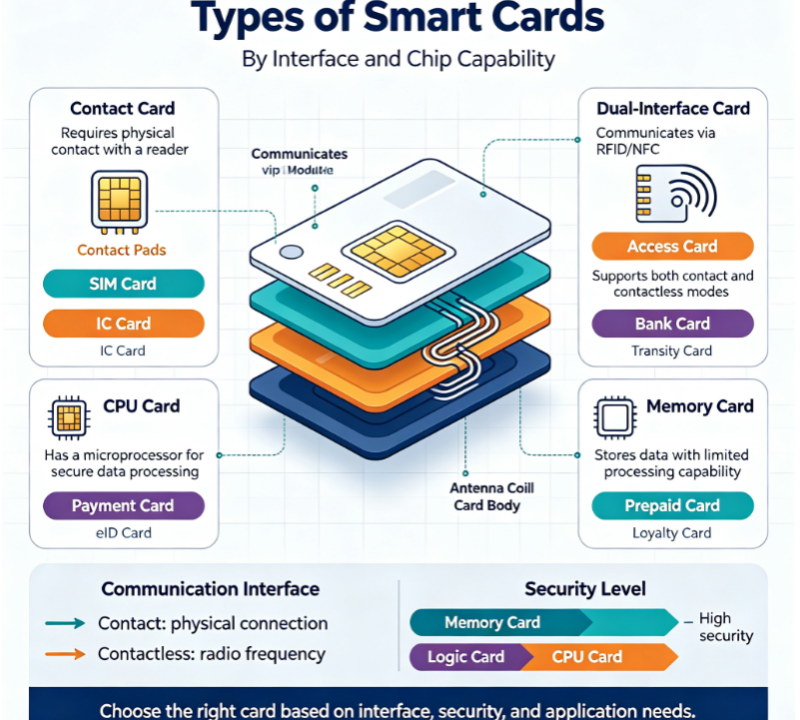
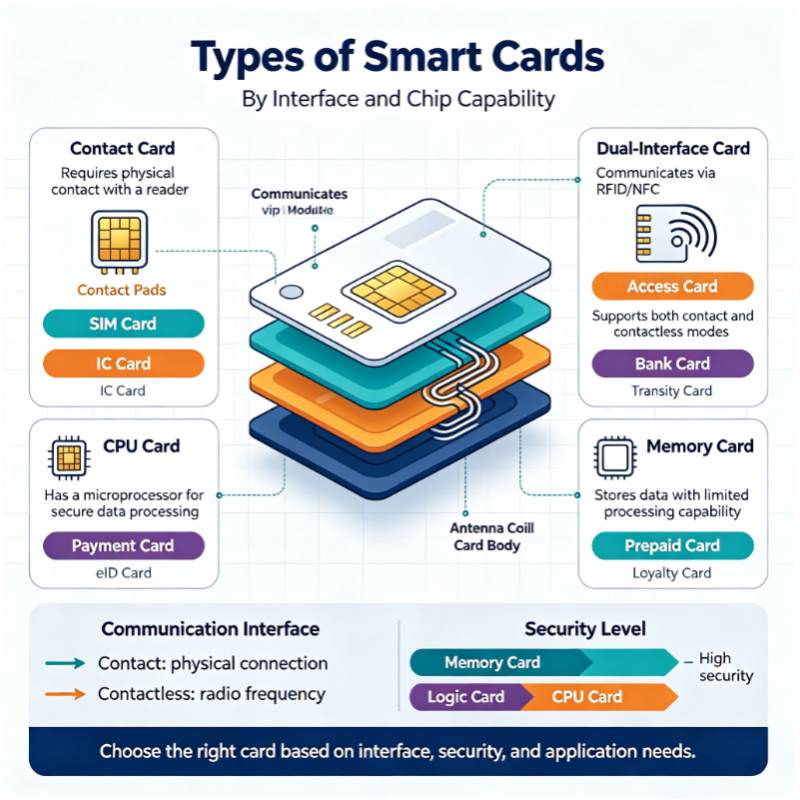
The versatility of NFC technology is underpinned by a robust framework of international standards. These standards, primarily developed by the International Organization for Standardization (ISO) and the International Electrotechnical Commission (IEC), ensure interoperability between devices from different manufacturers and define the communication protocols, data formats, and security mechanisms for various use cases. Understanding these standards is crucial for selecting the right NFC card for your application. The primary classifications are as follows:
1. NFC Standard ISO/IEC 14443A Cards: The Workhorses of Everyday Applications
This is arguably the most widely adopted standard for proximity cards, operating at a distance of up to 10 centimeters. It forms the backbone of countless consumer-facing applications due to its balance of cost, performance, and widespread reader support. Within this family, several key product lines dominate the market, each with distinct characteristics:
- Mifare Classic (1K, 4K, Mini): Developed by NXP Semiconductors, Mifare Classic has been a market leader for decades, particularly in public transportation and access control. The “1K” and “4K” refer to their memory capacities of 1,024 and 4,096 bytes, respectively, organized into sectors and blocks with simple key-based access control. While its legacy is immense, it’s important to note that its proprietary Crypto-1 encryption algorithm has known vulnerabilities, making it less suitable for high-security financial applications today. However, for low-to-medium security scenarios like office access or basic loyalty schemes, it remains a cost-effective and reliable choice.
- Mifare Ultralight: This is a memory-only, read/write IC designed for high-volume, disposable applications. With a small memory capacity (typically 512 bits or 64 bytes), it lacks advanced security features like encryption, relying instead on password protection in its newer variants (e.g., Mifare Ultralight C). Its primary strengths are its extremely low cost and simplicity, making it ideal for event ticketing, promotional campaigns, and single-use transit passes where high-level security is not a primary concern.
- Mifare DESFire (EV1, EV2, EV3): Representing the high-end of the Mifare portfolio, DESFire cards are true microcontroller-based smart cards built on open, global standards. They support multiple applications on a single card, each residing in its own secure file system. Crucially, they offer robust, hardware-accelerated cryptographic engines supporting industry-standard algorithms like Triple-DES (3K3DES) and Advanced Encryption Standard (AES). This makes them the gold standard for applications demanding high security and multi-functionality, such as electronic purse systems, university campus cards (combining ID, library access, and payments), and secure government IDs. The EV2 and EV3 generations further enhance security with features like transaction MACs (Message Authentication Codes) and support for random ID to prevent tracking.
- NTAG Series (213, 215, 216): Also from NXP, the NTAG series is optimized for NFC Forum-compliant applications, particularly those involving smartphones. These tags feature a user memory area and a special “NDEF” (NFC Data Exchange Format) memory sector that allows them to be easily read by any NFC-enabled phone without a dedicated app. Their memory sizes scale from 180 bytes (NTAG213) to 924 bytes (NTAG216). They are the go-to choice for marketing campaigns (smart posters), product authentication, Bluetooth/Wi-Fi pairing, and simple URL redirection, offering a perfect blend of smartphone compatibility and affordability.
2. NFC Standard ISO/IEC 14443B Cards: Regional Powerhouses
While less common globally than Type A, the ISO 14443B standard has found strong regional adoption, particularly in parts of Asia and Europe. It uses a different modulation scheme and anticollision protocol compared to Type A.
- FeliCa: Developed by Sony, FeliCa is a dominant force in Japan, powering the country’s ubiquitous Suica and Pasmo transit cards, as well as the Edy e-money system. It is renowned for its incredibly fast transaction speed—often completing a payment in under 0.1 seconds—which is essential for high-throughput environments like subway turnstiles during rush hour. FeliCa cards are also used in various access control and loyalty systems throughout East Asia.
- Jewel/Topaz: This is another Type B protocol, though its market presence is more niche compared to FeliCa. It is sometimes found in specific access control or identification systems, often in legacy installations.
3. NFC Standard ISO/IEC 15693 Cards: For Extended Range and Asset Tracking
Often referred to as “vicinity cards,” the ISO 15693 standard is designed for a longer read range, typically up to 1-2 meters, depending on the reader and tag design. This makes it unsuitable for secure, close-proximity transactions but ideal for applications where quick scanning of multiple items is required without direct line-of-sight.
- I-CODE SLI, SLIX, SLIX2: These NXP products are the flagship of the 15693 family. They are passive RFID tags with excellent performance in challenging environments, including near metal and liquids. Their primary use case is in asset tracking, inventory management, and supply chain logistics. For example, a warehouse can quickly scan an entire pallet of goods to verify its contents, or a hospital can track the location of expensive medical equipment in real-time. The SLIX and SLIX2 variants add privacy features like a “privacy mode” to prevent unauthorized scanning.
4. NFC Standard ISO/IEC 18092 Cards: The Foundation of Peer-to-Peer and High-Security
The ISO 18092 standard defines the active communication mode of NFC, which is used for peer-to-peer (P2P) data exchange between two powered devices, like two smartphones sharing a contact. However, it also underpins some high-security card emulation scenarios.
- PicoPass (by HID Global): While PicoPass technology predates the formal NFC standard, its 13.56 MHz operation and security model align it with the high-security segment often associated with ISO 18092 principles. PicoPass cards are specifically engineered for the most demanding physical access control applications, such as government facilities, military bases, and critical infrastructure. They feature mutual authentication and strong encryption, ensuring that both the card and the reader verify each other’s legitimacy before granting access, thereby preventing a wide range of cloning and skimming attacks.
The Power of Personalization: Custom NFC Cards for Your Brand
While standard NFC cards serve a multitude of purposes, they offer a blank canvas for businesses that wish to make a lasting impression. A generic white card may function perfectly, but it does little to reinforce your brand identity or create a memorable user experience. This is where custom NFC cards become a strategic asset.
At DO RFID Reader, our custom card service goes far beyond simply printing your logo. We collaborate with you to create a truly unique and functional piece of your brand ecosystem. Our customization capabilities include:
- Physical Form Factor: Break free from the standard credit-card size. We can produce cards in virtually any shape or size to fit your specific need, from key fobs and luggage tags to uniquely shaped membership cards or promotional giveaways.
- Material and Finish: Choose from a variety of materials including PVC, PET, ABS, and even wood or metal for a premium feel. Select from a range of finishes—glossy, matte, or soft-touch—and add tactile elements like embossing or debossing to elevate the perceived quality.
- Memory and Chip Selection: Your custom card isn’t just about looks; it’s about function. We will help you select the optimal NFC chip (from the types detailed above) based on your application’s memory, security, and speed requirements. Whether you need a simple NTAG216 for a URL or a high-security DESFire EV3 for a multi-application campus card, we have the right internal technology.
- Integrated Branding: Seamlessly incorporate your company’s logo, brand colors, and design language onto the card. We support full-color CMYK printing, spot colors, and even holographic or metallic effects for a high-impact visual statement.
- Pre-encoding and Data Management: We can pre-encode your cards with specific data, URLs, or application instructions before they are shipped, saving you time and ensuring consistency across your entire deployment.
A custom NFC card transforms a simple tool into a powerful brand ambassador. It sits in your customer’s wallet, a constant, tangible reminder of your business, ready to deliver a seamless digital experience at a tap.
A World of Possibilities: Diverse Applications of NFC Cards
The true power of NFC cards lies in their remarkable versatility. They are not confined to a single industry but are a foundational technology enabling innovation across a broad spectrum of sectors.
- Access Control: This is one of the oldest and most secure applications. NFC cards provide a convenient and highly secure method for managing physical access to buildings, offices, server rooms, and gated communities. Modern systems using chips like Mifare DESFire or PicoPass offer multi-factor authentication, audit trails, and integration with broader security platforms, far surpassing the capabilities of traditional magnetic stripe or basic proximity cards.
- Contactless Payments: The “tap-to-pay” revolution, driven by NFC, has transformed the retail and hospitality industries. NFC cards (and smartphones) enable fast, secure, and hygienic transactions, significantly reducing queue times and improving the customer experience. From major credit card issuers to closed-loop systems in cafeterias and corporate campuses, NFC is the engine behind the modern cashless economy.
- Ticketing and Events: This is where NFC truly shines in creating a seamless attendee journey. Traditional paper tickets are prone to loss, forgery, and long entry queues. RFID silicone wristbands, a specialized and highly durable form of an NFC card, have become the de facto standard for music festivals, conferences, and theme parks. These wristbands serve a triple purpose: they act as a secure, non-transferable entry ticket; they enable cashless payments for food, drinks, and merchandise; and they can be used to collect data for personalized attendee engagement, such as social media photo sharing or interactive experiences. Their waterproof and tear-resistant nature makes them perfect for the rigors of a multi-day event. Explore our range of durable, event-ready options here: RFID silicone wristbands.
- Loyalty Programs: Replace flimsy paper punch cards with sleek, branded NFC cards. A simple tap at the point of sale can instantly identify the customer, apply rewards, and update their points balance. This not only boosts customer retention through convenience but also provides valuable data on purchasing habits, allowing for more targeted and effective marketing campaigns.
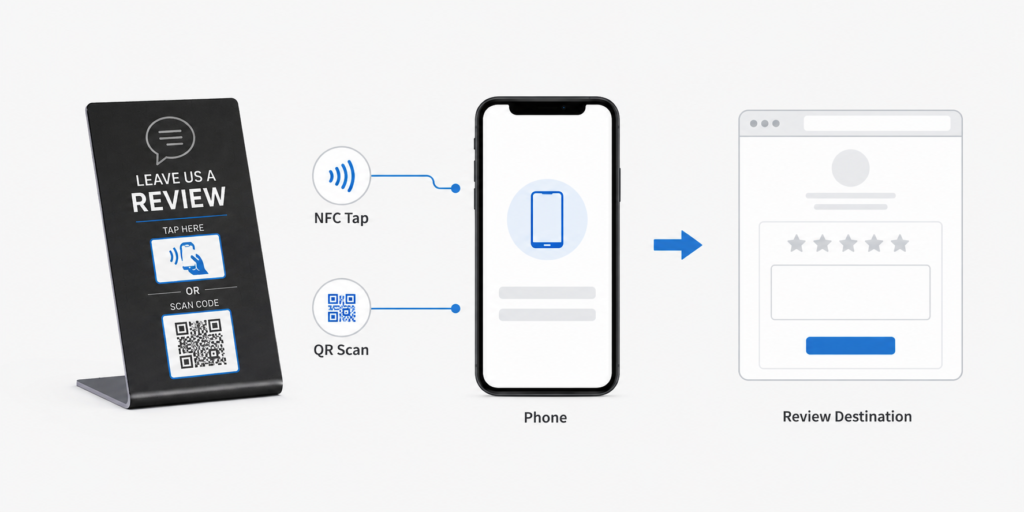
- Marketing and Consumer Engagement: An NFC card or tag embedded in a product, poster, or business card can bridge the physical and digital worlds. A tap can instantly launch a website, play a video, download an app, or provide detailed product information or authenticity verification. This creates an interactive and memorable brand experience that static print media simply cannot match.
- Asset Tracking and Inventory Management: In industrial, healthcare, and logistics settings, NFC cards (particularly ISO 15693 types) attached to tools, equipment, or inventory items allow for rapid, accurate, and hands-free tracking. This reduces manual labor, minimizes errors, and provides real-time visibility into asset location and status, leading to significant operational efficiencies.
Advantages of NFC Cards
- NFC cards stand out for their:
- Convenience: Fast “tap-and-go” interaction without physical contact.
- Security: Advanced encryption and authentication to protect sensitive data (e.g., payment details).
- Versatility: Compatible with smartphones, RFID readers, and a wide range of devices.
- Durability: Built to withstand daily use, ensuring reliable performance over time.
How NFC Technology Works: A Technical Primer
To fully appreciate the capabilities of NFC cards, it’s helpful to understand the underlying mechanics. NFC operates at a frequency of 13.56 MHz within the globally available ISM (Industrial, Scientific, and Medical) radio band. It is a subset of RFID technology but is distinguished by its very short range (typically less than 10 cm) and its ability to support three distinct modes of operation:
- Card Emulation Mode: This is the mode used by NFC cards and smartphones for payments and access control. The NFC device (the card) acts like a traditional contactless smart card, communicating with a reader (like a payment terminal or door lock). The reader generates a radio frequency field, and the passive NFC card draws its power from this field via electromagnetic induction, a process known as “load modulation.” This allows the card to operate without its own battery.
- Reader/Writer Mode: In this mode, an active NFC device (like a smartphone) acts as a reader to retrieve data from a passive NFC tag or card. This is the principle behind reading an NFC business card or a smart poster. The phone powers the tag and reads the stored NDEF message.
- Peer-to-Peer (P2P) Mode: This mode allows two active NFC devices to exchange data. For example, two smartphones can share a contact or a photo by tapping them together. While this mode is less relevant to passive NFC cards, it highlights the bidirectional nature of the underlying technology.
The short range of NFC is not a limitation but a deliberate design feature that enhances security. It makes it extremely difficult for an attacker to intercept the communication from a distance, providing a natural safeguard against eavesdropping.
Security Considerations and Best Practices for NFC Deployments
While NFC offers inherent security benefits due to its short range, it is not immune to threats. A comprehensive security strategy is essential for any deployment, especially for sensitive applications like payments or access control.
- Common Threats: These include eavesdropping (though difficult due to range), data modification, relay attacks (where an attacker extends the communication range between the card and reader), and, for older technologies like Mifare Classic, cloning and key recovery attacks.
- Mitigation Strategies:
- Choose the Right Chip: For any new deployment requiring security, avoid legacy chips like Mifare Classic. Opt for modern, certified secure elements like Mifare DESFire EV2/EV3 or PicoPass, which use strong, standardized cryptography (AES).
- Implement Mutual Authentication: Ensure that both the card and the reader authenticate each other before any data is exchanged. This prevents the use of counterfeit readers.
- Use Transaction Counters and MACs: Features like transaction counters prevent replay attacks, while Message Authentication Codes (MACs) ensure data integrity and authenticity.
- Secure Your Backend: The security of your NFC system is only as strong as its weakest link. Ensure your backend servers and databases are hardened against cyberattacks.
By following these best practices, organizations can leverage the convenience of NFC while maintaining a high level of security and trust.
Future Trends in NFC Technology and What They Mean for You
The NFC landscape is constantly evolving, driven by innovation and changing user expectations. Staying ahead of these trends can provide a significant competitive advantage.
- Integration with Biometrics: The next frontier is combining NFC with biometric authentication (like fingerprint or facial recognition) on the card itself. This adds a powerful layer of “something you have” (the card) and “something you are” (your biometric), creating an almost unforgeable credential for high-security applications.
- Enhanced Mobile Integration: As smartphones become our primary digital wallets, the line between a physical NFC card and a mobile credential continues to blur. Expect to see more seamless integration where a single tap can trigger complex workflows involving both physical and digital assets.
- Sustainability Focus: There is a growing demand for eco-friendly NFC solutions. This includes the development of cards made from recycled or biodegradable materials and more energy-efficient chip designs.
- Expansion into New Verticals: NFC is finding new applications in areas like smart packaging for pharmaceuticals (to combat counterfeiting), automotive (for keyless entry and vehicle personalization), and even in the metaverse for verifying ownership of digital assets.
By partnering with a forward-thinking provider like DO RFID Reader, you gain access to insights and solutions that prepare you for these emerging opportunities.
Why Choose DO RFID Reader for Your NFC Solutions?
In a market flooded with generic suppliers, DO RFID Reader distinguishes itself through an unwavering commitment to quality, reliability, and customer partnership. We understand that your choice of an NFC provider is a critical decision that impacts your security, operations, and brand reputation.
Our philosophy is simple: we prioritize your success. Every NFC card we manufacture is produced using state-of-the-art technology and undergoes rigorous, multi-stage quality control testing to ensure it meets or exceeds all relevant international industry standards for performance and durability. We believe that a card should work flawlessly, day in and day out, under real-world conditions.
View Related Products:
13.56MHZ plastic pvc QR code membership cards nfc
Beyond our superior products, we offer a complete service package designed to make your experience effortless:
- Competitive and Transparent Pricing: We provide high-value solutions without compromising on quality.
- Fast and Reliable Delivery: We understand that time is of the essence, and we are committed to meeting your project deadlines.
- Personalized Expert Support: Our team of knowledgeable professionals is always available to provide tailored advice, help you navigate technical specifications, and ensure you get the perfect solution for your unique needs.
Whether you require a straightforward order of standard Mifare Classic 1K cards for a small office or a complex, fully customized batch of high-security DESFire EV3 cards for a nationwide university system, DO RFID Reader has the expertise, the technology, and the dedication to deliver.
Don’t let your connectivity needs be an afterthought. Partner with us to unlock the full potential of NFC technology. Contact our team today at info@dorfidreader.com or +86 (0) 769 3362 9917 to discuss your project and take the first step towards a smarter, more seamless future.

Au is an RFID and NFC manufacturer based in Shenzhen, China, with over 10 years of experience.