September 14, 2026
Custom NTAG 216 NFC Card: The Complete 2026 Guide to Features, Customization, Applications, and Choosing the Right Manufacturer
Near Field Communication (NFC) technology has transformed how businesses and consumers exchange information. From digital business cards and smart product authentication to contactless access control and interactive marketing, NFC cards have become an essential tool for modern organizations.
Among the many NFC chips available today, the NTAG 216 NFC Card has earned a reputation as one of the most versatile and reliable options. With its large memory capacity, excellent compatibility with Android and iPhone devices, and robust security features, it is widely used across retail, hospitality, manufacturing, education, healthcare, and event management.
As someone who has worked with OEM NFC card manufacturers and overseas buyers for years, I’ve noticed that many customers focus only on the chip type when purchasing NFC cards. In reality, choosing the right card material, printing process, encoding service, and customization options has just as much impact on the final product’s performance and user experience.
This guide explains everything you need to know about Custom NTAG 216 NFC Cards, including how they work, why businesses customize them, the production process, real-world applications, competitive comparisons, and practical buying advice.
What Is an NTAG 216 NFC Card?
An NTAG 216 NFC Card is a contactless smart card based on NXP’s NTAG216 integrated circuit, operating at 13.56 MHz and fully compliant with the ISO/IEC 14443 Type A standard.
Unlike traditional magnetic stripe cards or barcode cards, an NTAG 216 card stores digital information inside an NFC chip that can be read by simply placing the card close to an NFC-enabled smartphone or reader.
Typical specifications include:
| Specification | Value |
|---|---|
| Frequency | 13.56 MHz |
| Standard | ISO/IEC 14443 Type A |
| User Memory | 888 bytes |
| Reading Distance | 2–10 cm |
| Data Retention | 10 years |
| Rewrite Cycles | 100,000+ |
| Operating Temperature | -25°C to +70°C |
| Material | PVC, PET, ABS, Eco materials |
The generous 888-byte user memory makes NTAG 216 suitable for storing significantly more information than smaller-capacity NFC chips.
1.PVC,ABS,PET,PETG etc
2. Available Chips:NXP NTAG213, NTAG215 and NTAG216, NXP MIFARE Ultralight® EV1,etc
3. Support with all nfc device
Product Name | NTAG® 216 Blank Card |
Material | PVC |
Chip Model | NTAG® 216 |
Memory | 888 byte |
Protocol | ISO14443A |
Dimension | 85.5 x 54mm |
Thickness | 0.9mm |
Crafts | Barcode, Scratch Off Panel, Signature Panel, Spray Number, Laser Number, Embossing, etc. |
Printing | Offset Printing, Silk-Screen Printing |
Card Surface | Glossy Surafce (If need Matte and Frosted surface can contact the sales directly) |
ID Number Printing | DOD Printing/ Thermal printing/ Laser Engrave/embossing/digital printing |
Free Samples | Free samples are available at any time |
Ntag216 chip card is equipped with the Ntag216 chip, powerful and convenient. Among the Ntag21Xseries, the Ntag216 chip has the largest capacity. There are 888 bytes of user-programmable read/write memory.



How Does an NTAG 216 NFC Card Work?
NTAG 216 cards use passive NFC technology, meaning they contain no internal battery.
The operating process is straightforward:
Step 1: Reader Generates an RF Field
An NFC-enabled smartphone or dedicated reader emits a 13.56 MHz electromagnetic field.
Step 2: Card Receives Power
When the card enters the RF field, its antenna harvests enough energy to power the integrated circuit.
Step 3: Authentication
The chip establishes communication using the ISO14443 Type A protocol.
Step 4: Data Exchange
The stored information is transmitted wirelessly.
Depending on the application, the data may include:
- Website URLs
- Digital business cards
- Product IDs
- WiFi credentials
- Contact information
- Marketing campaigns
- Product authentication data
- Social media links
- Mobile app launching commands
The entire interaction usually takes less than one second.
Why Choose NTAG 216 Instead of Other NFC Chips?
The biggest advantage of NTAG 216 is its large storage capacity.
Compared with earlier NTAG models, it provides much more flexibility for complex applications.
| Chip | User Memory | Typical Applications |
|---|---|---|
| NTAG 213 | 144 bytes | Simple URLs |
| NTAG 215 | 504 bytes | Gaming, NFC devices |
| NTAG 216 | 888 bytes | Business cards, authentication, marketing |
| MIFARE Ultralight | 48–128 bytes | Ticketing |
| MIFARE Classic 1K | 752 bytes | Access control |
| DESFire EV3 | High Security | Government, banking |
For most commercial applications, NTAG 216 offers one of the best balances between storage, cost, and compatibility.
Benefits of Custom NTAG 216 NFC Cards
Customization transforms a standard NFC card into a powerful branding and operational tool.
Professional Branding
Companies can print:
- Corporate logos
- Product images
- QR codes
- Serial numbers
- Employee information
- Variable data
Every interaction reinforces brand identity.
Better Customer Experience
Instead of asking customers to manually enter website addresses or contact information, they simply tap the card.
Typical actions include:
- Opening a website
- Saving contact details
- Connecting to WiFi
- Downloading an app
- Watching a video
- Joining loyalty programs
The experience is fast and intuitive.
Increased Marketing Conversion
NFC interactions require only one tap.
Compared with QR codes, users don’t need to:
- Open the camera
- Focus correctly
- Scan
- Confirm the link
The reduced friction often leads to higher engagement rates, particularly in face-to-face marketing.
Rewritable Memory
Unlike printed cards, NTAG 216 cards can be updated repeatedly.
Businesses can change:
- Landing pages
- Promotions
- Product catalogs
- Event schedules
- Contact information
without replacing the physical card.
Custom NTAG 216 NFC Card Manufacturing Process
Professional manufacturers follow a structured production workflow to ensure quality and consistency.
1. Requirement Analysis
The supplier confirms:
- Chip type
- Card size
- Printing requirements
- Quantity
- Encoding requirements
- Packaging
2. Artwork Design
Designers prepare production files including:
- Front artwork
- Back artwork
- Variable data
- QR codes
- UID printing
- Signature panels
- Barcodes
Most factories provide digital proofs before mass production.
3. Chip Lamination
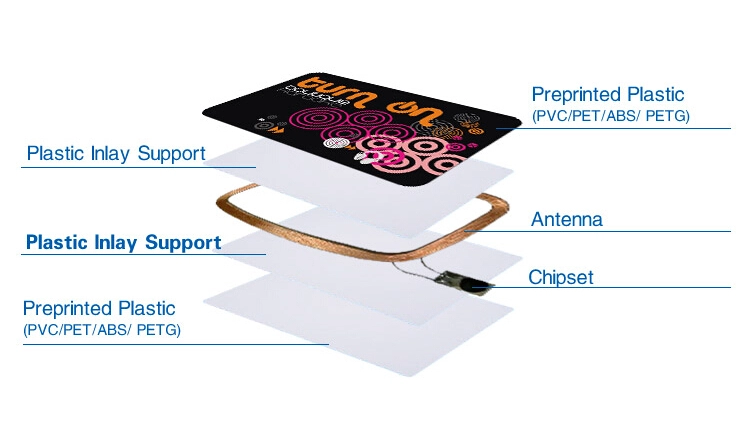
The NTAG216 chip and copper antenna are embedded between PVC or PET layers using heat and pressure.
Proper lamination protects the chip from moisture, bending, and daily wear.
4. Printing
Manufacturers typically use:
- Offset printing
- Digital printing
- Silk screen printing
- UV printing
Premium finishes may include:
- Matte surface
- Gloss finish
- Frosted finish
- Metallic colors
- Spot UV
- Hot stamping
5. Personalization
Optional personalization includes:
- UID printing
- Laser engraving
- Barcode printing
- QR codes
- Sequential numbering
- Magnetic stripe
- Signature panel
- Variable employee names
6. NFC Encoding
Data is written into the chip.
Common encoded information includes:
- URLs
- vCards
- WiFi credentials
- Product IDs
- Authentication keys
Factories usually verify every encoded card before shipment.
7. Quality Inspection
Each batch undergoes testing for:
- Read distance
- Printing accuracy
- Chip functionality
- Surface quality
- Durability
- Packaging
Reliable manufacturers often perform 100% functional testing before delivery.
Common Applications
NTAG 216 cards have become one of the most widely used NFC products across industries.
Digital Business Cards
Replacing traditional paper business cards.
One tap can instantly share:
- Contact details
- LinkedIn profiles
- Company websites
- Product catalogs
Membership Cards
Gyms, clubs, and retail stores use customized NTAG216 cards for:
- Membership identification
- Loyalty programs
- Reward points
- Customer engagement
Product Authentication
Luxury brands increasingly use NFC cards for anti-counterfeiting.
Customers tap the card to verify:
- Product authenticity
- Manufacturing information
- Warranty
- Ownership records
Smart Marketing
Retailers embed NFC cards into:
- Product displays
- Packaging
- Catalogs
- Brochures
Consumers instantly access promotional content.
Event Management
Conference organizers issue customized NFC badges for:
- Check-in
- Networking
- Session registration
- Visitor tracking
Hotel Industry
Hotels use NTAG216 cards for:
- Digital guest information
- Interactive room guides
- Promotional offers
- Smart tourism services
Education
Universities employ NFC cards for:
- Student identification
- Library access
- Attendance systems
- Campus navigation
Pain Points Solved by NTAG 216 NFC Cards
Traditional printed cards present several limitations.
Paper Business Cards Become Outdated
Changing a phone number or website often means reprinting thousands of cards.
NTAG216 allows information to be updated digitally.
Manual Data Entry Causes Errors
Typing contact information often leads to mistakes.
NFC transfers data instantly and accurately.
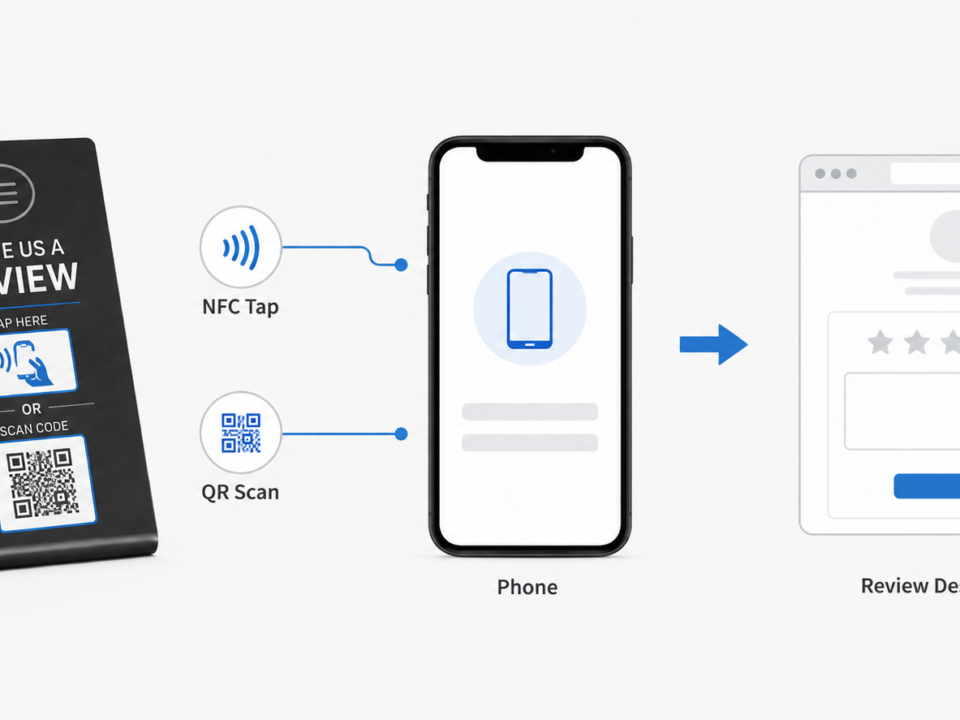
QR Codes Require More User Actions
QR codes depend on camera quality, lighting, and scanning.
NFC works with a simple tap, creating a smoother user experience.
Limited Marketing Analytics
Many NFC management platforms allow businesses to monitor:
- Tap frequency
- Geographic location
- Device type
- Campaign performance
This provides valuable insights for marketing optimization.
NTAG 216 vs Other NFC Cards
NTAG216 vs NTAG213
NTAG213 is suitable for simple website links and basic contact information.
NTAG216 offers six times more memory, making it ideal for richer digital content and more advanced applications.
NTAG216 vs NTAG215
NTAG215 is often used for gaming accessories and Amiibo-compatible products.
NTAG216 provides larger storage capacity and greater flexibility for commercial applications.
NTAG216 vs MIFARE Classic
MIFARE Classic focuses primarily on access control and payment systems.
NTAG216 is easier to program with smartphones and better suited for marketing and customer engagement.
NTAG216 vs DESFire
DESFire offers advanced encryption and is commonly deployed in government IDs, public transportation, and high-security environments.
For most marketing, membership, and branding projects, NTAG216 provides a more cost-effective solution while maintaining excellent performance.
Practical Buying Experience
After reviewing hundreds of NFC card projects, several factors consistently separate successful deployments from problematic ones.
First, don’t choose a supplier based solely on the lowest unit price. Poor-quality antennas, inconsistent chip placement, or substandard lamination can lead to weak reading performance and higher failure rates, especially after prolonged use.
Second, request production samples before placing a large order. Test the cards with multiple Android phones and iPhones to ensure reliable compatibility and reading distance in real-world conditions.
Third, think beyond the chip. Features such as premium printing, durable materials, sequential numbering, laser engraving, and professional encoding often have a greater impact on the final user experience than the chip specification itself.
Finally, discuss future scalability with your supplier. If your project may expand to include wristbands, key fobs, tags, or stickers, working with a manufacturer that offers a complete NFC product portfolio can simplify future procurement and maintain consistent quality.
How to Choose a Reliable NTAG 216 NFC Card Manufacturer
When evaluating suppliers, consider the following criteria:
- Experience with OEM and ODM projects
- Genuine NXP NTAG216 chips
- ISO-certified production facilities
- High-quality offset or UV printing
- In-house chip encoding services
- 100% functional testing before shipment
- Flexible minimum order quantities
- Fast sampling and production lead times
- Export experience and international logistics support
- Responsive technical and after-sales service
A manufacturer that combines technical expertise with customization capabilities can help you avoid costly production issues and ensure your NFC cards perform reliably throughout their lifecycle.
Frequently Asked Questions
Can NTAG 216 cards work with iPhones?
Yes. Modern iPhones with NFC support can read NTAG216 cards without requiring additional hardware, provided the encoded data is compatible with iOS.
Can the data be rewritten?
Yes. NTAG216 cards support more than 100,000 rewrite cycles unless the memory is intentionally locked for security purposes.
Are NTAG216 cards waterproof?
Most PVC and PET NTAG216 cards are water-resistant and suitable for everyday use. Additional encapsulation options are available for harsh industrial environments.
What is the typical reading distance?
Depending on the reader, antenna design, and surrounding environment, the effective reading distance is typically 2–10 cm.
Can I customize every card with different data?
Yes. Professional manufacturers support variable data encoding, allowing each card to contain unique URLs, serial numbers, contact information, authentication credentials, or customer-specific content.
Conclusion
Custom NTAG 216 NFC Cards combine generous memory capacity, excellent smartphone compatibility, rewritable storage, and flexible customization options, making them one of the most practical NFC solutions for modern businesses. Whether used for digital business cards, loyalty programs, product authentication, smart marketing, event management, or access control, they deliver a fast, contactless user experience while reducing the limitations of traditional printed materials.
For organizations planning large-scale deployments, selecting the right manufacturing partner is just as important as choosing the right chip. A supplier with proven expertise in chip sourcing, precision lamination, high-quality printing, secure encoding, and comprehensive quality control can ensure that every customized NTAG 216 card performs consistently and supports your branding and business goals for years to come.