September 14, 2026
Introduction to Clear Transparent RFID Inlay
The Clear Transparent NXP MIFARE 1K S50 RFID Inlay is a high-performance RFID transponder designed for applications that require a discreet, lightweight, and reliable identification solution. With a transparent PET substrate, aluminum antenna, and multiple chip options, this RFID inlay provides excellent flexibility for manufacturers, integrators, and product developers.
Unlike traditional RFID labels with visible backing materials, transparent RFID inlays can be embedded into products without affecting their appearance. This makes them ideal for smart packaging, access control cards, luxury products, industrial identification, and NFC-enabled applications.
Operating at 13.56MHz, this RFID inlay supports ISO14443A communication protocols and can be customized with various RFID and NFC chips, including MIFARE Classic, MIFARE Ultralight, NTAG series, MIFARE DESFire, and other RFID chip platforms.
Whether you need a standard NFC inlay or a fully customized RFID solution, this transparent RFID inlay offers a balance between performance, durability, and design flexibility.
What Is a Transparent RFID Inlay?
A transparent RFID inlay is the internal electronic component of an RFID tag. It contains an RFID chip and antenna but does not include the final label printing, adhesive layer, or outer packaging.
The basic structure includes:
| Layer | Material | Function |
|---|---|---|
| Protective Layer | Transparent PET | Provides mechanical protection |
| Antenna Layer | Aluminum foil | Receives and transmits RF signals |
| Chip Layer | RFID/NFC IC | Stores and processes data |
| Substrate | PET | Supports the electronic structure |
The transparent design allows manufacturers to integrate RFID technology into products where appearance is important. It can be laminated, encapsulated, or installed inside different materials according to application requirements.
Product Specifications
Clear transparent NXP Mifare 1k S50 RFID inlay
Specification
1. Chip Model: All chips are available
2. Frequency: 13.56MHz
3. Memory: depend on the chips
4. Protocol: ISO14443A
5. Base material: PET
6. Antenna material: Aluminium foil
7. Antenna size: 26*12mm, 22mm Dia, Dia25mm ,32*32mm, 18*56mm, 45*45mm,76*45mm, or as request
8. Working temperature: -25°C ~ +60°C
9. Store Temperature: -40°Cto +70°C
10. Read/Write Endurance: >100,000 time
11. Reading Range: 3-10cm
12. Certificates: ISO9001:2000, SGS
Chip Option
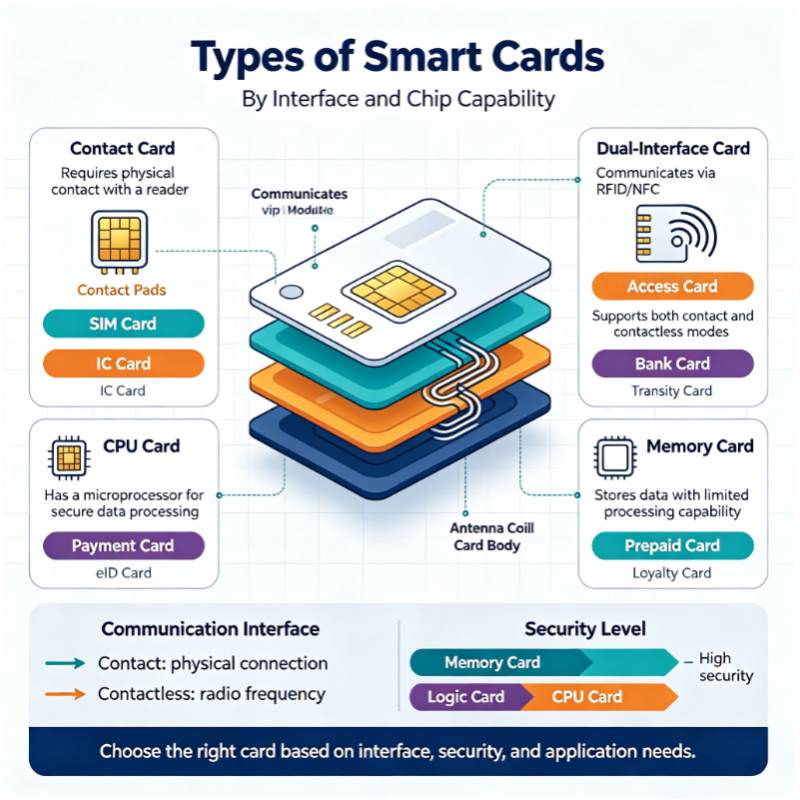
| ISO14443A | MIFARE Classic® 1K, MIFARE Classic® 4K |
| MIFARE® Mini | |
| MIFARE Ultralight®, MIFARE Ultralight® EV1, MIFARE Ultralight® C | |
| NTAG213 / NTAG215 / NTAG216 | |
| MIFARE ® DESFire® EV1 (2K/4K/8K) | |
| MIFARE® DESFire® EV2 (2K/4K/8K) | |
| MIFARE Plus® (2K/4K) | |
| Topaz 512 | |
| ISO15693 | ICODE SLIX, ICODE SLI-S |
| EPC-G2 | Alien H3, Monza 4D, 4E, 4QT, Monza R6, etc |
Product picture of 13.56mhz Mifare Ultralight ev1 RFID NFC inlay
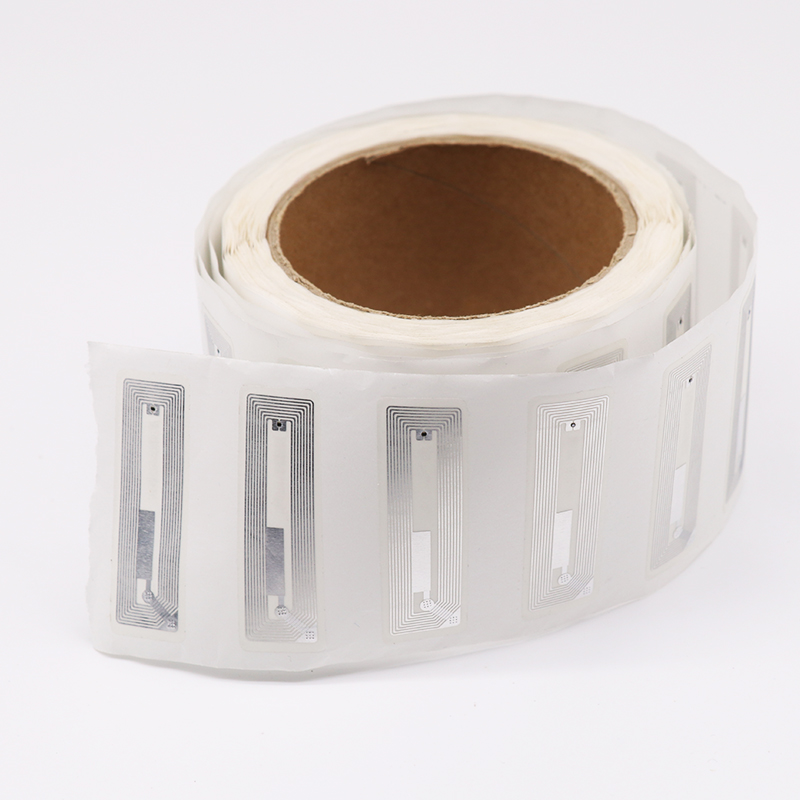
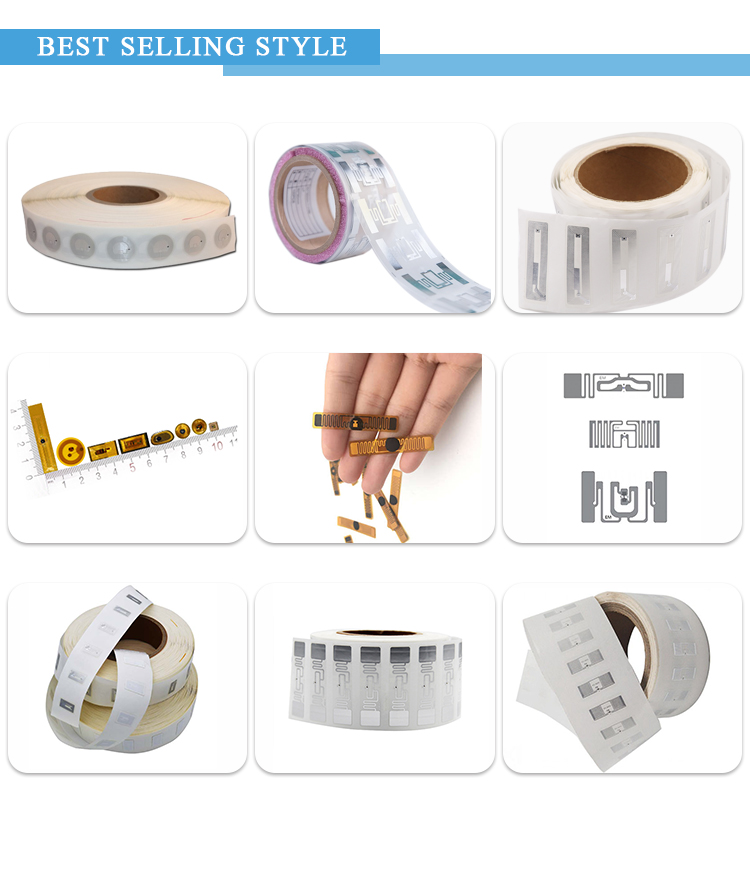
RFID Wet Inlays are described as “wet” due to their adhesive backing, so they are essentially industrial RFID stickers. Passive RFID Tags are comprised of two parts: an integrated circuit for storing and processing information and an antenna for receiving and transmitting the signal. They have no internal power supply. RFID Wet Inlays are best for applications where a low-cost “peel-and-stick” tag is needed. Any RFID Wet Inlay can also be converted into a paper or synthetic face label.


Key Features of Transparent MIFARE RFID Inlay
Transparent and Invisible Integration
The biggest advantage of this RFID inlay is its transparent appearance. The inlay can be placed inside cards, packaging, or products without creating visible marks.
This feature is especially useful for:
- Premium packaging
- Luxury goods authentication
- Transparent smart cards
- Electronic product identification
- Brand protection solutions
Multiple RFID Chip Options
Different projects require different memory capacity, security levels, and communication functions. This product supports a wide range of RFID chips.
Available chip options include:
| RFID Chip Family | Frequency | Main Features | Typical Applications |
|---|---|---|---|
| MIFARE Classic 1K/4K | 13.56MHz | Reliable memory and access control support | Door access, membership cards |
| MIFARE Ultralight | 13.56MHz | Low-cost NFC solution | Tickets, disposable applications |
| NTAG213/215/216 | 13.56MHz | Smartphone NFC compatibility | Marketing, smart labels |
| MIFARE DESFire EV1/EV2 | 13.56MHz | High security encryption | Secure identification |
| ICODE SLIX | 13.56MHz | ISO15693 long-range HF RFID | Library and asset tracking |
| EPC Gen2 Chips | UHF | Long-distance reading | Logistics and inventory |
This flexibility allows customers to select the right RFID chip based on security requirements, memory capacity, and reading distance.
Available Antenna Sizes
To meet different product designs and performance requirements, this transparent RFID inlay is available in various antenna sizes.
| Antenna Size | Recommended Applications |
|---|---|
| 26 × 12mm | Small electronic products, compact tags |
| 22mm Diameter | Round labels and circular products |
| 25mm Diameter | Small packaging and identification tags |
| 32 × 32mm | General RFID applications |
| 18 × 56mm | Cards and narrow products |
| 45 × 45mm | Industrial and commercial applications |
| 76 × 45mm | Larger reading range applications |
| Customized Size | Special product requirements |
Custom antenna designs can be developed according to customer requirements, including size limitations, reading distance targets, and installation environment.
MIFARE Classic 1K RFID Inlay Advantages
The MIFARE Classic 1K chip is one of the most widely used RFID chips worldwide. It provides a practical solution for applications requiring basic memory storage and reliable contactless communication.
Main characteristics include:
- 13.56MHz operating frequency
- ISO14443A compatibility
- 1KB EEPROM memory
- Fast contactless communication
- More than 100,000 read/write cycles
- Low power passive operation
Compared with ordinary RFID tags, MIFARE-based solutions provide better compatibility with access control systems, smart cards, and identification platforms.
RFID Chip Comparison Guide
Choosing the correct RFID chip is important because different chips provide different security levels and memory capacities.
| Chip | Memory | Security Level | Best For |
|---|---|---|---|
| MIFARE Classic 1K | 1KB | Basic | Access cards, membership |
| MIFARE Classic 4K | 4KB | Basic | Larger data storage |
| NTAG213 | 144 bytes | Basic NFC | Simple NFC interaction |
| NTAG215 | 504 bytes | Basic NFC | NFC applications with more data |
| NTAG216 | 888 bytes | Basic NFC | Advanced NFC content |
| DESFire EV2 | 2K/4K/8K | High | Secure authentication |
| ICODE SLIX | User memory varies | Medium | Tracking systems |
For simple identification, MIFARE Classic and NTAG series are cost-effective choices. For applications requiring stronger security, DESFire solutions are recommended.
Transparent RFID Inlay vs Traditional RFID Label
| Feature | Transparent RFID Inlay | Traditional RFID Label |
|---|---|---|
| Appearance | Nearly invisible | Visible label structure |
| Design Flexibility | Excellent | Limited |
| Integration Method | Embedded inside products | Attached externally |
| Premium Product Compatibility | Excellent | Moderate |
| Customization | High | Medium |
| Suitable for Transparent Materials | Yes | Usually No |
Transparent RFID technology provides better product aesthetics and is increasingly used in applications where branding and appearance are important.
Application Areas of Transparent RFID Inlay
The Clear Transparent RFID Inlay is designed for a wide range of industries that require reliable identification, authentication, and data communication. Its compact structure and customizable chip options make it suitable for both commercial and industrial applications.
Smart Packaging and Product Authentication
Transparent RFID inlays are widely used in smart packaging solutions because they can be hidden inside products while maintaining the original product appearance.
Common applications include:
- Luxury product authentication
- Anti-counterfeit packaging
- Smart product labels
- Brand protection systems
- Premium consumer goods tracking
By integrating RFID technology into packaging, companies can provide customers with product verification, digital information access, and supply chain visibility.
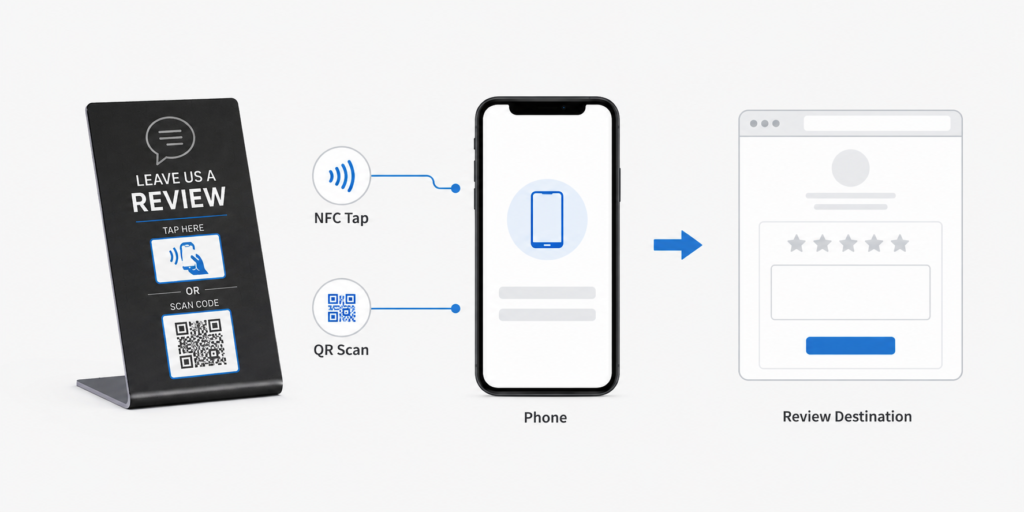
NFC Smart Labels and Interactive Marketing
With NFC-compatible chips such as NTAG213, NTAG215, and NTAG216, transparent RFID inlays can connect physical products with digital platforms.
Customers can use NFC-enabled smartphones to access:
- Product information
- User manuals
- Promotional content
- Warranty registration
- Brand websites
- Digital certificates
This creates a bridge between offline products and online services.
Access Control and Identification Systems
MIFARE RFID chips are commonly used in contactless identification systems.
Typical applications include:
- Employee access cards
- Hotel room cards
- Membership cards
- Campus identification
- Event tickets
- Transportation cards
The transparent RFID inlay can be laminated into cards or embedded into customized products according to customer requirements.
Industrial Asset Tracking
For industrial environments, RFID inlays help companies improve inventory management and asset identification.
Applications include:
- Equipment tracking
- Tool management
- Warehouse identification
- Maintenance records
- Manufacturing process control
For longer reading distances, ISO15693 or EPC Gen2 UHF RFID chip options may provide better performance compared with standard HF RFID solutions.
HF RFID vs UHF RFID Inlay Comparison
RFID technology can generally be divided into HF (High Frequency) and UHF (Ultra High Frequency). Selecting the correct frequency depends on the application requirements.
| Feature | HF RFID Inlay | UHF RFID Inlay |
|---|---|---|
| Frequency | 13.56MHz | 860-960MHz |
| Communication Protocol | ISO14443A / ISO15693 | EPC Gen2 |
| Reading Distance | Approximately centimeters | Several meters |
| Smartphone Support | Available for NFC chips | Usually not supported |
| Data Security | High for advanced chips | Depends on chip type |
| Main Applications | Cards, NFC, access control | Logistics, inventory tracking |
HF RFID is recommended when security, NFC compatibility, and short-distance interaction are required.
UHF RFID is more suitable for supply chain management and applications requiring long-range reading.
ISO14443A RFID Chip Options
The ISO14443A protocol is one of the most widely used contactless communication standards. It supports many popular NFC and RFID chips.
Available options include:
| Chip Series | Description | Recommended Applications |
|---|---|---|
| MIFARE Classic | Cost-effective RFID memory chip | Access control and cards |
| MIFARE Ultralight | Lightweight NFC solution | Tickets and marketing |
| NTAG Series | Smartphone-compatible NFC chip | Smart packaging |
| MIFARE Plus | Enhanced security version | Upgraded access systems |
| MIFARE DESFire | Advanced encryption technology | High-security applications |
Customers can select the chip based on required memory size, security level, and system compatibility.
Why Choose a Custom RFID Inlay Solution?
Every product has different requirements regarding size, reading distance, operating environment, and integration method. A customized RFID inlay provides better performance compared with standard products.
Customization options include:
Custom Chip Selection
Customers can choose from:
- MIFARE Classic
- NTAG series
- MIFARE DESFire
- ICODE series
- EPC Gen2 chips
The chip selection depends on security requirements, data storage needs, and application environment.
Custom Antenna Design
The antenna directly affects RFID performance.
Customization can include:
- Antenna size
- Antenna shape
- Reading distance optimization
- Installation location adaptation
A properly designed antenna improves communication stability and overall product performance.
Custom Dimensions and Structure
Available customization includes:
- Different inlay sizes
- Special shapes
- Flexible designs
- Laminated structures
- Customized packaging methods
This makes transparent RFID inlays suitable for unique product designs.
Installation and Usage Recommendations
To achieve the best RFID performance, several factors should be considered during installation.
Avoid Metal Interference
Metal surfaces can reduce RFID communication performance because they affect electromagnetic signals.
For metal applications, special anti-metal RFID solutions may be required.
Select the Correct Reader
The reading distance depends on:
- RFID chip type
- Antenna size
- Reader power
- Installation environment
Using a compatible RFID reader ensures stable communication.
Consider Product Material
Different materials may influence RFID performance.
| Material | RFID Performance |
|---|---|
| Plastic | Excellent |
| Paper | Excellent |
| Glass | Good |
| Wood | Good |
| Metal | Requires special design |
| Liquid Environment | Requires testing |
Testing before mass production is recommended for complex applications.
Quality Control and Reliability
The transparent RFID inlay is manufactured according to strict quality standards to ensure stable performance.
Quality features include:
- Reliable chip bonding technology
- Stable antenna performance
- Temperature resistance
- Long read/write endurance
- Consistent production quality
Each RFID inlay is designed to provide reliable operation throughout the product lifecycle.
Frequently Asked Questions (FAQ)
What is a transparent RFID inlay?
A transparent RFID inlay is the internal electronic component of an RFID tag. It contains an RFID chip and antenna but does not include printing or final packaging. It can be integrated into different products or labels.
Can this RFID inlay work with smartphones?
Yes, when equipped with NFC-compatible chips such as NTAG213, NTAG215, NTAG216, or compatible MIFARE NFC chips, the inlay can communicate with many NFC-enabled smartphones.
What is the reading distance of this RFID inlay?
The typical reading range is approximately 3-10cm. Actual performance depends on antenna size, chip model, reader capability, and installation conditions.
Can the antenna size be customized?
Yes. Custom antenna sizes and designs are available according to product requirements, including special dimensions and performance targets.
Which RFID chip is best for security applications?
For applications requiring higher security, MIFARE DESFire EV1/EV2 or similar advanced security chips are recommended. MIFARE Classic solutions are more suitable for basic identification applications.
Is the RFID inlay waterproof?
The RFID inlay itself uses PET materials and provides good environmental resistance. However, waterproof performance depends on the final packaging method and product integration.
What certifications are available?
The product supports quality management requirements including ISO9001:2000 and SGS certification.
Conclusion
The Clear Transparent NXP MIFARE 1K S50 RFID Inlay provides a flexible solution for companies looking to integrate RFID technology into modern products. With transparent PET construction, multiple chip options, customizable antenna sizes, and reliable 13.56MHz communication, it supports a wide range of NFC and RFID applications.
From smart packaging and product authentication to access control, industrial tracking, and digital interaction, this transparent RFID inlay helps businesses create smarter and more connected products.
By selecting the appropriate RFID chip, antenna design, and integration method, manufacturers can develop customized RFID solutions that meet specific performance and application requirements.
Get your custom transparent RFID inlay solution today. Contact us for chip selection, antenna customization, and bulk pricing.